
AI Character Design
AI character design is the end-to-end process of creating original characters with AI image tools — moving from initial concept through silhouette exploration, style lock, identity lock, multi-angle reference generation, expression sheets, and final production-ready model sheets. This guide covers every stage, the tools that work at each stage, and where the pipeline breaks.
Key takeaways
- Character design is a pipeline, not a single generation. The full process runs concept → silhouette → refine → lock → multi-angle → expressions → poses → production. Each stage has different tool requirements and different failure modes.
- Lock the design early. Character drift is the default in AI image generation. The moment you settle on a design, generate the multi-angle reference set. Do not wait until you are deep into scene illustration. The reference set is the anchor for everything downstream.
- No single tool covers the full pipeline. Midjourney for concept exploration, EZ Character for reference sets, Runway/Kling for animation, Stable Diffusion for fine-tuning. Professional pipelines use 2–3 tools in sequence.
- AI makes the studio pipeline accessible to solo creators. A full character design pipeline that costs $5,000+ and two weeks in a traditional studio takes 1–3 hours and ~$20/month with AI tools. The workflow is the same; the economics are different.
The 7 stages of AI character design
Character design is not one step. It is a sequence of decisions that get progressively more specific, each stage locking choices made in the previous stage. Skipping stages produces characters that look good in isolation but break under production conditions — different angles, different expressions, different lighting.
- Concept. Broad exploration. Generate dozens of design candidates from text prompts describing the character's role, personality, era, and silhouette. At this stage, you are looking for a direction, not a final design. Tool: Midjourney, DALL·E 3, or Stable Diffusion with broad creative prompts. Output: 20–50 concept thumbnails.
- Silhouette exploration. The silhouette is the character reduced to a filled shape — no internal detail. A strong silhouette reads instantly at any distance and at any angle. Generate variations of your top 3–5 concepts as pure silhouettes. If the silhouette doesn't communicate the character, the internal detail won't save it. Output: 5–10 silhouette variants.
- Style lock. Choose the art style and commit. Anime? Western cartoon? Realistic? Stylized? Cel-shaded? Painterly? The style choice determines which AI tools and models will work best for the remaining stages. Switching styles mid-pipeline resets progress. Output: one locked art style.
- Identity lock. This is the hardest stage. Generate the final character design — the specific face, body, hair, costume, and accessories — and verify that it reads consistently across 3–5 test generations. Identity lock is fragile; any prompt change risks drift. Output: one canonical character image with locked identity.
- Multi-angle reference. Take the locked identity and generate the turnaround: front, three-quarter, profile, three-quarter back, back. This is where EZ Character's Turnaround Sheet tool is purpose-built — upload one image, get 8 consistent angles in one pass. The multi-angle set becomes the canonical reference for everything downstream. Output: 5–8 orthographic character views.
- Expression sheet. From the same locked identity, generate the character in 5–8 emotional states: neutral, happy, sad, angry, surprised, scared, thoughtful. Expression sheets serve two purposes: they guide animators and illustrators, and they stress-test whether the face design is flexible enough to emote clearly. Output: 5–8 expression variants.
- Pose library. Generate the character in the most common poses for the project: standing, sitting, running, fighting, holding objects, interacting with other characters. This is the final deliverable before scene production begins. Output: 5–20 key poses.
Tools at each stage
No single AI tool handles all seven stages well. The tools that excel at broad concept exploration struggle with precise identity lock. The tools that lock identity well are overkill for mood boarding. Here is what to use where.
| Stage | Best tool(s) | Why |
|---|---|---|
| Concept exploration | Midjourney, DALL·E 3 | Fast ideation, strong aesthetic quality, good at interpreting descriptive prompts |
| Silhouette exploration | Midjourney, Stable Diffusion + ControlNet | Can generate silhouette-first with specific prompting; ControlNet for precise shape control |
| Style lock | Midjourney (style references), Stable Diffusion (LoRA) | Midjourney --sref locks style from a reference image; LoRA fine-tunes a specific style into the model |
| Identity lock | EZ Character, Stable Diffusion + IP-Adapter + LoRA | EZ Character built for identity lock in one pass; SD requires more setup but offers finer control |
| Multi-angle reference | EZ Character (Turnaround Sheet) | Purpose-built: upload one image, get 8 consistent angles. No re-prompting, no drift. |
| Expression sheet | EZ Character, Stable Diffusion + ControlNet | Same identity-lock tools, prompted for emotional range instead of angle rotation |
| Pose library | Stable Diffusion + ControlNet (OpenPose), EZ Character | ControlNet OpenPose for exact pose control; EZ Character for common action poses from reference |
| Animation (post-design) | Runway, Kling, Higgsfield | Image-to-video; character must already be locked via reference set before animating |
Where character design breaks
The pipeline has predictable failure points. Knowing them in advance saves hours of debugging.
- Drift. The number-one failure mode. Each independent generation reinterprets the character, and small differences compound. Face shape shifts. Hair length changes. Eye color drifts. The fix is always the same: lock identity early with a multi-angle reference set, and use that set (not the prompt) as the anchor for downstream generation.
- Style inconsistency. The character looks consistent but the art style changes between generations — one angle is cel-shaded, the next is painterly, the next is flat vector. This happens when style is not locked before identity. Fix: lock the style at stage 3 and use style-reference features (--sref, LoRA) on every subsequent generation.
- Pose limitations. AI models struggle with uncommon poses, foreshortening, and complex physical interactions (two characters hugging, a character holding a specific object). These edge cases are where AI character design still needs manual artist intervention. Fix: use ControlNet for precise pose control, or generate the closest angle and hand-correct.
- Equipment and prop changes. A character's sword changes length between angles. Glasses disappear in profile view. Earrings switch ears. These are attention-to-detail failures — the model doesn't track small props across generations. Fix: inspect every output for prop consistency, and use the reference sheet callouts to specify exact prop dimensions and placement.
- Prompt-creep. You tweak the prompt for one angle to fix a small issue, and the tweak changes the character. Every prompt change after identity lock risks identity drift. Fix: lock the prompt at stage 4 alongside the identity. Any change after that point must be tested against the reference set for drift before being accepted.
Manual vs AI-assisted character design workflow
| Stage | Manual (traditional studio) | AI-assisted (solo creator) |
|---|---|---|
| Concept exploration | 2–3 days, 20–30 thumbnail sketches | 5–15 minutes, 50+ AI-generated thumbnails |
| Silhouette exploration | 1 day, 5–10 silhouette studies | 5 minutes, 10–20 silhouette variants |
| Style lock | 1–2 days, style frames and reference boards | 10–30 minutes, style-reference generations with --sref or LoRA |
| Identity lock | 2–3 days, iterative refinement with art director review | 15–45 minutes, prompt refinement and candidate curation |
| Multi-angle reference | 3–5 days, hand-drawn orthographic views | Seconds to generate, minutes to curate |
| Expression sheet | 1–2 days | 5–15 minutes |
| Pose library | 2–5 days | 15–30 minutes |
| Total | 12–21 working days | 1–3 hours |
| Total cost | $5,000–$15,000+ | ~$20/month (tool subscription) |
Persona-specific notes
Different creative roles use different parts of the pipeline. Here is where to focus based on what you are making.
- Children's book illustrators: Focus on stages 1–5 (concept through multi-angle). The reference set is your anchor across 24+ spreads. Expressions matter more than poses — your character needs to emote clearly for young readers. Read the full guide for children's book illustrators →
- YouTube creators: Focus on stages 1, 3, and 4. You need fast turnaround on character concepts for thumbnails and channel branding. The full multi-angle set is useful if you animate, but many YouTubers stop at identity lock and a few key poses. Read the full guide for YouTube creators →
- Indie game developers: You need the full pipeline. NPCs need reference sheets for sprite artists; the protagonist needs expression sheets for dialogue portraits and pose libraries for animation frames. Read the full guide for indie game devs →
- VTuber creators: Focus on stages 1–4 with special attention to style lock. VTuber models require clean separation of layers (hair, face, body, clothing) for Live2D rigging. The multi-angle reference set feeds directly into the rigging artist's workspace. Read the VTuber turnaround guide →
Frequently asked questions
What is AI character design?
Can AI design a character from scratch, or do I need to provide an idea first?
How long does the full AI character design pipeline take?
Which AI tool is best for character design?
How do I prevent character drift across the pipeline?
What is the difference between style lock and identity lock?
Do professional character designers use AI tools?
Can I use AI-generated characters in commercial projects?
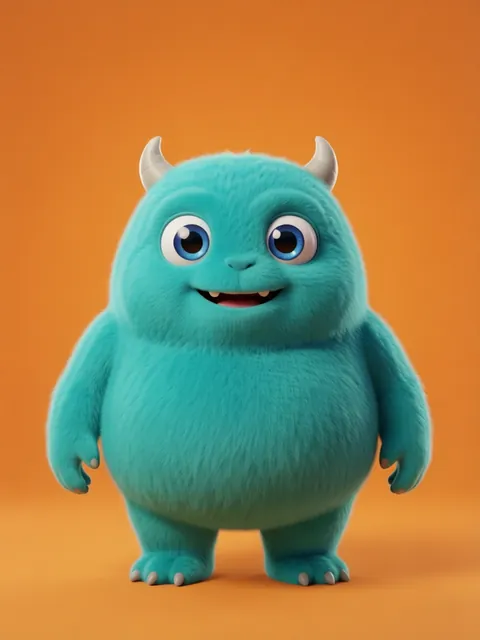
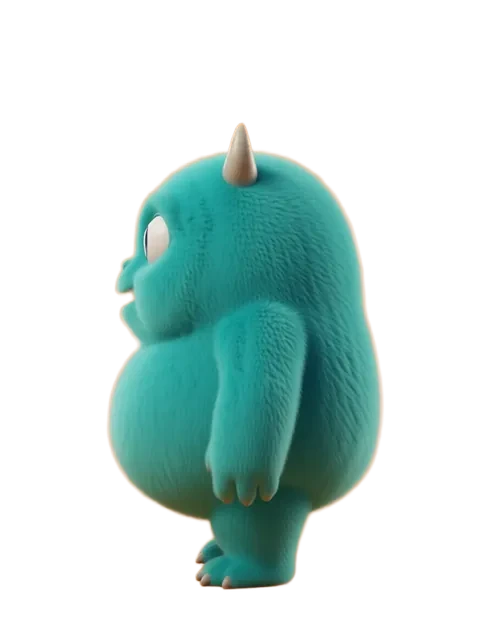
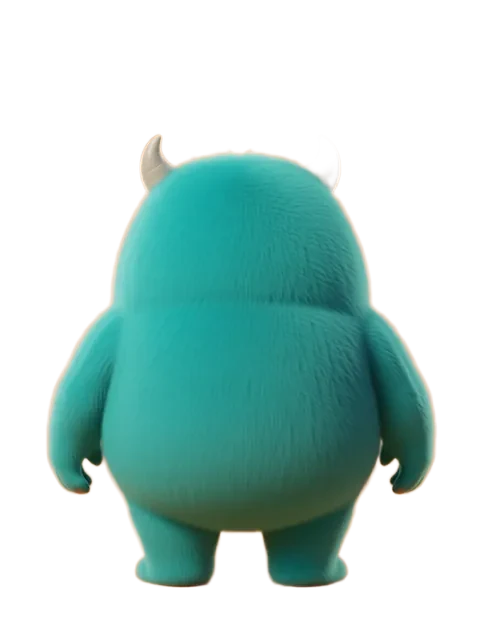
Start your AI character design pipeline
Upload one character image. Lock the identity. Generate the full multi-angle reference set, expression sheet, and pose library — all from the same canonical reference.
Try Turnaround Sheet freeFree tier: 40 credits every month. No credit card required.