
Best AI for Character Turnarounds in 2025 — Which Tool Delivers Multi-Angle Output?
A character turnaround — also called a model sheet or orthographic reference — is the most technically demanding character deliverable in AI image generation. It requires the same character identity to hold across front, side, back, and three-quarter views with matched proportions, facial features, costume details, and lighting across every angle. General-purpose AI tools were not designed for this. Midjourney composes a turnaround layout within a single image, but each quadrant renders independently and faces do not match. Stable Diffusion produces consistent angles through a manually constructed ControlNet + IP-Adapter pipeline, but setup takes hours per character. Leonardo's Character Reference holds identity for similar angles but drifts across radical view changes. EZ Character is the only tool in this comparison purpose-built for the job: it generates a locked 4–8 angle reference set in one pass, with identity guaranteed across every angle because generation is conditioned on a single identity anchor.
Midjourney vs EZ Character at a glance
| Criterion | EZ Character | Midjourney |
|---|---|---|
| Multi-angle output in one pass | Yes — 4–8 consistent angles per job | MJ: no (composite only, faces don't match) | SD: no (manual pipeline required) | Leonardo: no |
| Identity consistency across angles | High — locked at generation level | MJ: low in composite turnarounds | SD: high with LoRA, 1–8h setup | Leonardo: medium, drifts at radical angles |
| Time to first usable turnaround | ~60 seconds (upload, run job) | MJ: 2–5 min (prompt + retry, faces won't match) | SD: 1–8 hours (pipeline + LoRA) | Leonardo: not achievable natively |
| Pricing (entry) | $0 free tier (40 free credits every month) | MJ: $10/mo | SD: free (self-hosted) or cloud costs | Leonardo: free daily tokens |
| Output format | Individual angle PNGs + composed reference sheet | MJ: single composed PNG | SD: individual PNGs (manual assembly) | Leonardo: individual PNGs |
| Style options for turnarounds | Curated character styles (anime, pixel, watercolour, cartoon, manga) | MJ: broad but not turnaround-optimised | SD: unlimited via community models | Leonardo: game-art-focused styles |
| Commercial rights | Full commercial on paid tiers ($4–$40) | MJ: paid tiers only | SD: model-dependent (check each model license) | Leonardo: paid tiers |
| Learning curve | Upload and go — no prompt engineering | MJ: Discord syntax, complex turnaround prompts | SD: steep (ComfyUI, ControlNet, LoRA) | Leonardo: moderate |
When to use each
EZ Character
You need a character turnaround — the actual deliverable, not an approximation — in minutes, with guaranteed identity consistency across all 8 angles.
Midjourney
Use Midjourney or Stable Diffusion for concept exploration and style experimentation before committing to a final design. Once the design is locked, switch to EZ Character for the multi-angle reference pass.
Frequently asked questions
What is a character turnaround and why is it hard for AI?
Can Midjourney produce a usable turnaround?
How many angles does a professional turnaround need?
Can I use an EZ Character turnaround to train a LoRA?
What resolution are EZ Character turnarounds?
What is the difference between a turnaround and a model sheet?
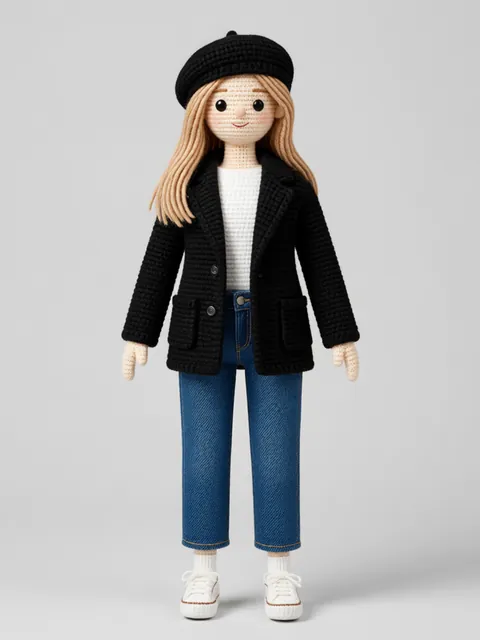
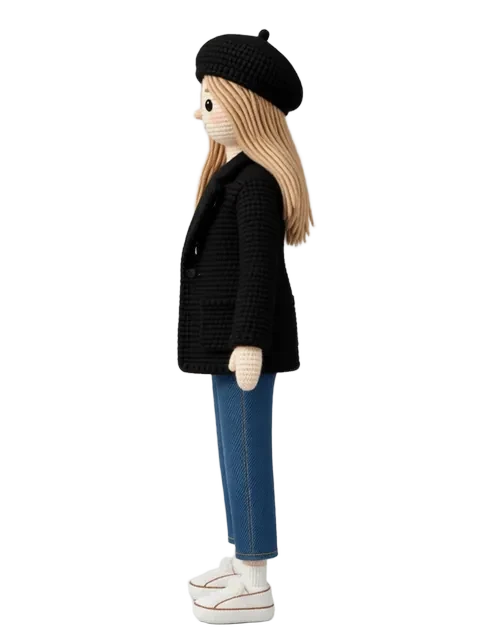
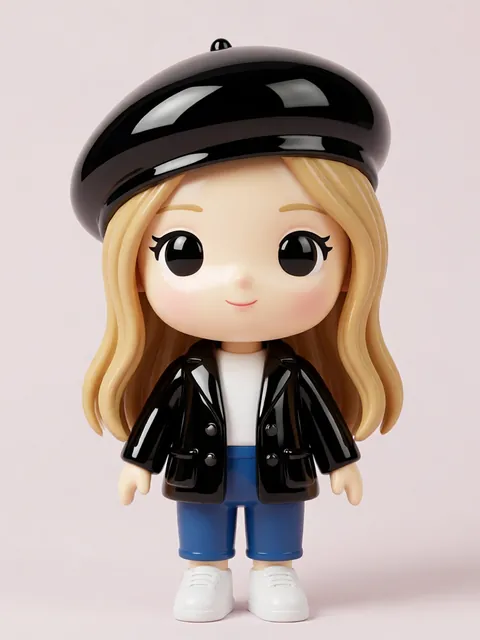
Try EZ Character free
Upload one image. Get 8 consistent angles. See the difference for your own character.
Generate your reference setFree tier: 40 credits every month. No credit card required.