
Stable Diffusion Character Consistency — IP-Adapter, ControlNet, LoRA, and What Production Actually Needs
Stable Diffusion is the most flexible AI image stack available and the most demanding to operate. Character consistency is achievable through a combination of IP-Adapter (image-conditioned generation), ControlNet (pose and structure conditioning), and LoRA training (fine-tuning on 20–40 character images). Each adds setup time, parameter wrangling, and VRAM cost. For technical artists who already run a Stable Diffusion workflow, these tools work — though rarely as cleanly as marketing screenshots suggest. For solo creators who want consistent characters without becoming a part-time ML engineer, a purpose-built tool like EZ Character collapses the same workflow into a single upload.
Stable Diffusion vs EZ Character at a glance
| Criterion | EZ Character | Stable Diffusion |
|---|---|---|
| Pricing (entry) | $0 free tier | Free (self-hosted) / $10–50/mo (cloud SD) |
| Character consistency method | Multi-angle generation in one pass | IP-Adapter + ControlNet + LoRA training |
| Setup time | 30 seconds (upload) | 1–8 hours per character (LoRA training) |
| Hardware requirement | None (cloud GPU) | GPU with 8GB+ VRAM, or cloud rental |
| Multi-angle output | 8 angles per job | One angle per generation; multi-angle requires manual pipeline |
| Customization ceiling | Curated styles + tools | Effectively unlimited |
| Best for | Speed-to-reference | Power users with technical setup |
When to use each
EZ Character
You want consistent multi-angle character references in seconds, without setup. You don't want to train a LoRA per character or maintain a ComfyUI graph.
Stable Diffusion
You're an ML-fluent artist with hardware and time, you need maximum stylistic flexibility, and you're building a reusable pipeline for a long-running project.
Frequently asked questions
Can Stable Diffusion produce consistent characters without LoRA training?
What is the difference between IP-Adapter, ControlNet, and LoRA for character consistency?
How much does Stable Diffusion cost compared to EZ Character?
Which Stable Diffusion model is best for character consistency?
Can I use Stable Diffusion and EZ Character together?
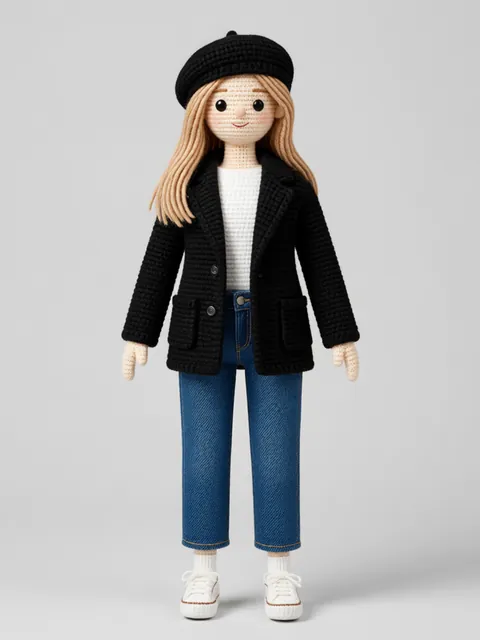
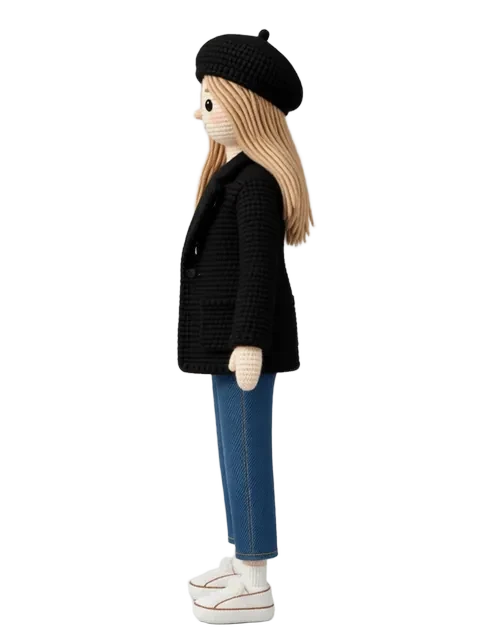
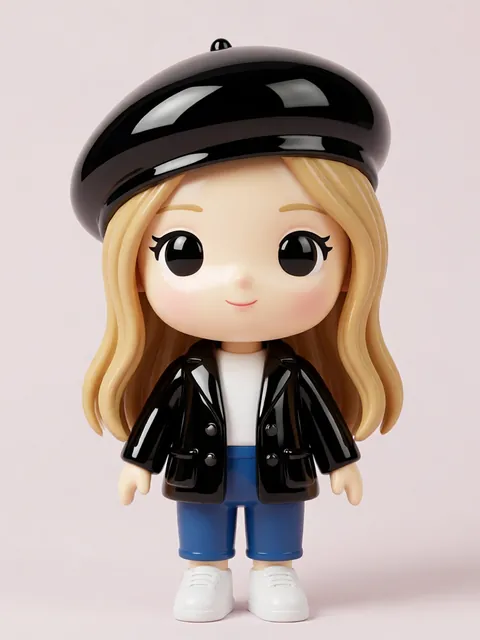
Try EZ Character free
Upload one image. Get 8 consistent angles. See the difference for your own character.
Generate your reference setFree tier: 40 credits every month. No credit card required.