
Best AI for Indie Game Character Design — Tools That Fit a Solo Developer's Budget
Indie game character design has a unique constraint set: output must be production-ready (multi-angle sprite sheets for 2D, turnarounds for 3D modelling reference), budget is tight (under $50/month for all art tools), and the pipeline must be maintainable by a single developer wearing ten other hats. No single AI tool covers the full pipeline. Leonardo.AI offers game-dev features — Realtime Canvas for ideation, Character Reference for iterative design, custom model training — but produces no multi-angle turnarounds natively. Scenario excels at per-project fine-tuned models for IP-consistent libraries but demands upfront Generator training per character. Aseprite is the gold standard for pixel art but has zero AI generation — it is a manual pixel editor. Stable Diffusion offers maximum customisation via ComfyUI and LoRA but demands technical expertise and GPU resources. EZ Character is the only tool that produces a locked multi-angle character reference set in one pass — the turnaround or sprite sheet that feeds into whichever downstream tool the developer uses.
Leonardo.AI vs EZ Character at a glance
| Criterion | EZ Character | Leonardo.AI |
|---|---|---|
| Multi-angle turnaround / sprite sheet | 4–8 angles per job in one pass | Leonardo: no | Scenario: no | Aseprite: manual only | SD: manual pipeline (1–8h setup) |
| Pricing (entry) | $0 free tier (40 free credits every month) | Leonardo: free daily tokens + $10/mo | Scenario: free 100/mo + $12/mo | Aseprite: $19.99 one-time | SD: free (self-hosted) |
| Pixel art character output | Yes — dedicated pixel art style mode | Leonardo: no | Scenario: no | Aseprite: yes (manual creation) | SD: possible with specialised models |
| Time to first usable character reference | ~60 seconds | Leonardo: 5–15 min (single angle) | Scenario: 1–3h (train Generator) | Aseprite: hours (manual pixel art) | SD: 1–8h (pipeline setup) |
| Custom model training | No | Leonardo: yes | Scenario: yes (core feature) | Aseprite: N/A | SD: yes (LoRA, DreamBooth) |
| API access | Roadmap | Leonardo: yes | Scenario: limited | Aseprite: no | SD: yes (self-hosted or cloud) |
| Learning curve | Upload and go — no technical setup | Leonardo: moderate | Scenario: moderate (training workflow) | Aseprite: steep (pixel art skill) | SD: steep (ComfyUI, LoRA) |
| Best for | The reference layer — turnarounds and sprite sheets | Leonardo: broad game-art exploration | Scenario: IP-consistent asset libraries | Aseprite: manual pixel art | SD: custom pipelines |
When to use each
EZ Character
You need a multi-angle character reference set — turnaround or sprite sheet — in minutes as a solo developer. The reference that feeds into your game engine, animation tool, or downstream art pipeline.
Leonardo.AI
Use Leonardo for broad game-art exploration and ideation. Use Scenario for production-volume IP-consistent asset generation. Use Aseprite for manual pixel art refinement. Use SD for fully custom pipelines.
Frequently asked questions
What is the cheapest AI pipeline for indie game character design?
Can AI generate a full sprite sheet with walk cycles?
Is Leonardo or Scenario better for solo dev budgets?
What resolution do indie game character sprites need?
Can EZ Character output import directly into Godot or Unity?
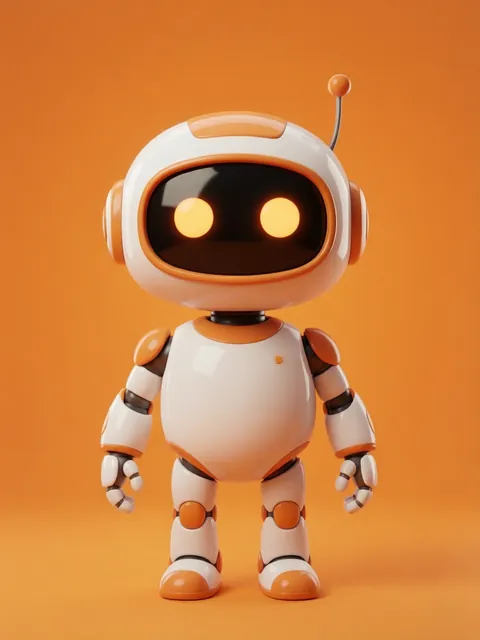
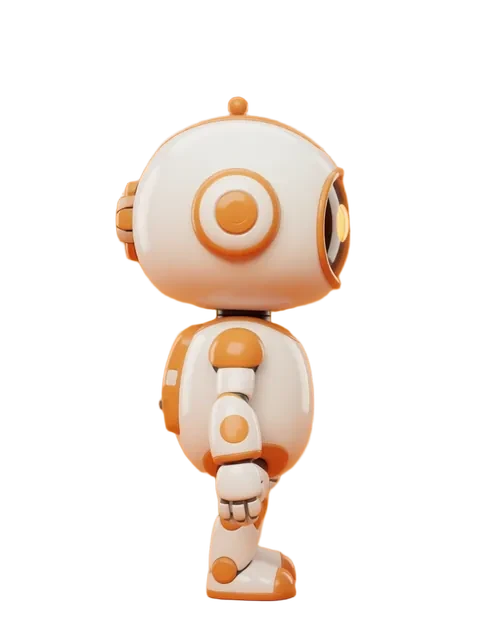
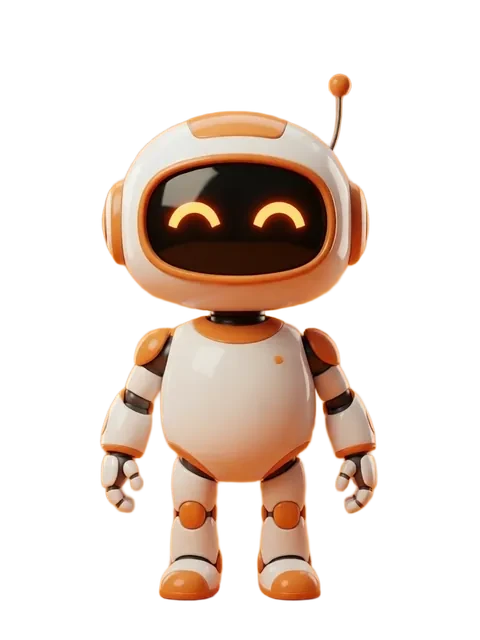
Try EZ Character free
Upload one image. Get 8 consistent angles. See the difference for your own character.
Generate your reference setFree tier: 40 credits every month. No credit card required.