
21+ AI Character Action Poses: Free Dynamic Movement Templates (2026)
These 21+ tested action pose prompts span running, jumping, fighting, dancing, acrobatic, flying, and interaction poses. Each keyword includes when to use it and how to layer it for maximum dynamic impact. Stop generating stiff characters — start generating motion.
Key takeaways
- Action verbs are the difference between a mannequin and a character. Without a specific action verb + intensity modifier, every AI character defaults to standing stiffly at attention.
- Layer: action → intensity → modifier → camera angle. "Jumping" is generic. "Leaping forward at full extension, arms reaching ahead, low camera angle" is a production-ready action shot.
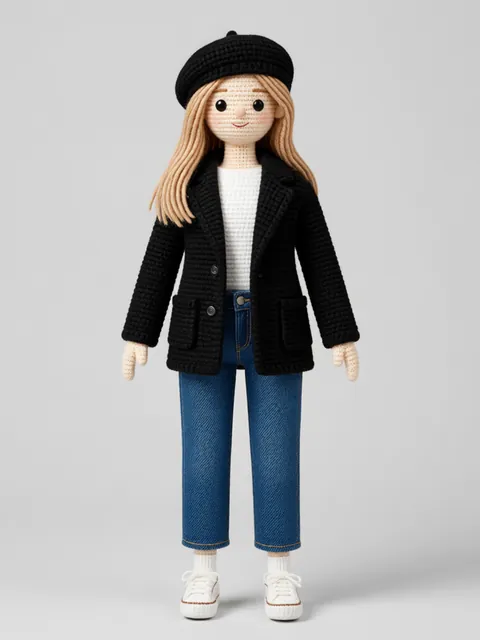
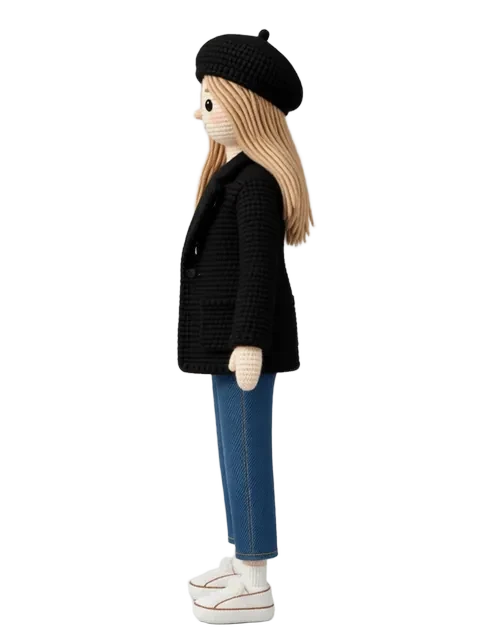
- Lock the character reference first, then repose into action. Generate the 8-angle reference sheet once. Use it as the identity input for every action pose. Same face, different dynamic movement.
- The moment before impact reads as more dynamic than the impact itself. A punch mid-throw creates more tension than a punch landing. A dodge mid-lean creates more energy than a dodge completed.
How to Build an Action Pose Prompt That Actually Moves
A static pose says "this is what the character looks like." An action pose says "this is what the character is doing right now." The difference is in the verb and the intensity. Compare:
character jumpingStiff, vertical hop, arms at sides. Reads as "person slightly above ground" not "dynamic leap."character leaping forward, body fully extendedDirectional movement, body horizontal. Now reads as intentional action with trajectory.character leaping forward, body fully extended, arms reaching ahead, low camera angle, rooftop at golden hourProduction-ready action shot with narrative context, camera perspective, and atmosphere.How AI Tools Handle Action Poses — Compared
| Tool | Action posing method | Consistency across actions | Best for |
|---|---|---|---|
| EZ Character | Multi-angle reference + Repose single-angle action tool + 3D Camera Angle | High — locked reference, every action pose from same identity | Production action libraries, multi-pose character bibles, consistent comic/game action sequences |
| Midjourney | Prompt-only action description, --cref for identity anchoring | Medium — --cref holds identity for similar poses but action-to-action drift accumulates | Single action hero shots, splash page illustrations, aesthetic exploration |
| Stable Diffusion | Prompt + ControlNet OpenPose for skeletal pose + IP-Adapter for identity | Medium-High (with setup) — requires ComfyUI workflow construction | Technical users with custom pipelines, LoRA-trained recurring action characters |
| PixelCut | Text-to-pose with reference image upload, multi-style support | Medium — reference image helps but pose-to-pose consistency depends on prompt quality | Quick one-off action poses, style exploration, non-production concept sketches |
The critical difference: does the same character stay recognizable across different actions? EZ Character generates the locked reference first, then reposes from it — so your sprinting character is visibly the same person as your fighting character. Other tools generate each action independently, accumulating identity drift with every new pose. Full comparison →
Running and Sprinting Poses
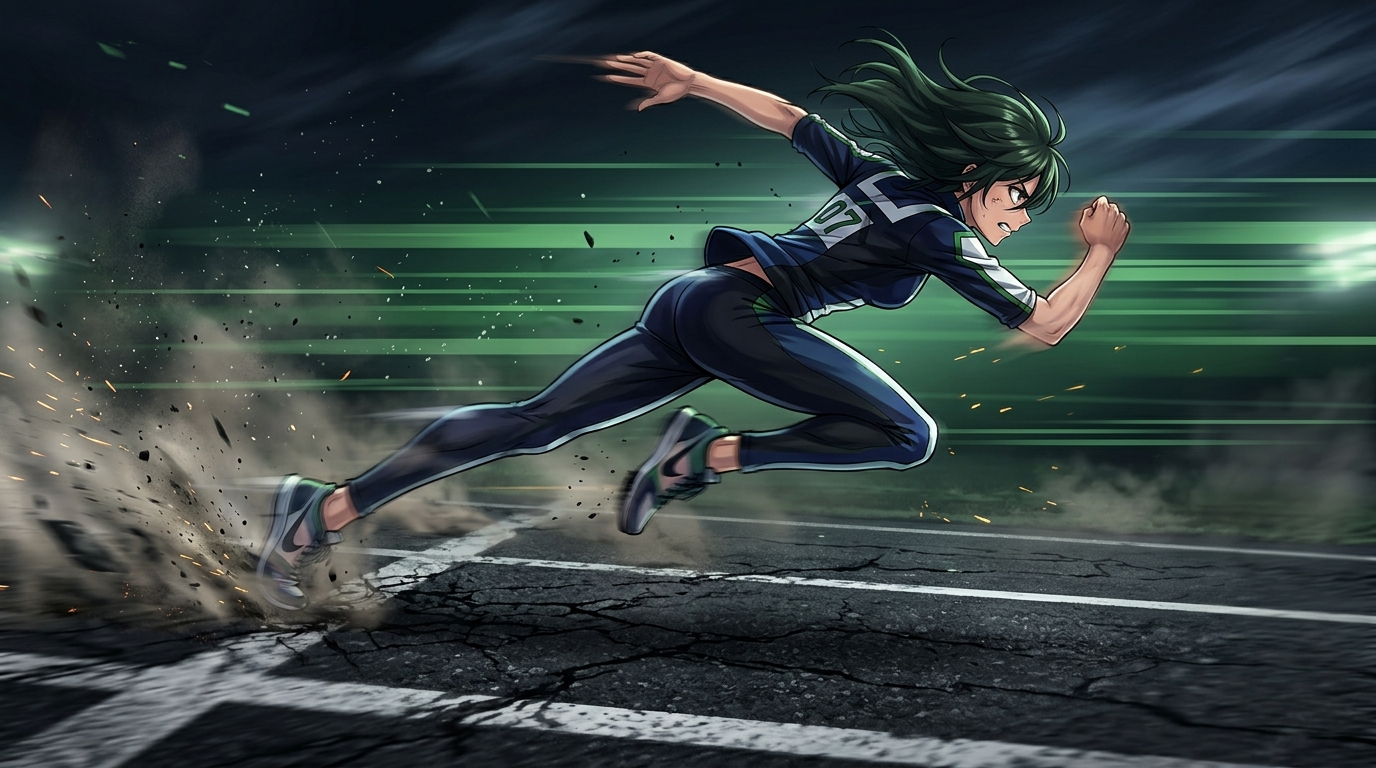
Running is the most-requested action pose — and the easiest to get wrong. Without specificity, AI defaults to a stiff walk-cycle hybrid that reads as neither running nor walking. The key is specifying speed and intensity: sprint versus jog, full-stride versus mid-stride, arms pumping versus arms relaxed. Adding a camera angle modifier — low angle for heroic sprints, side angle for speed lines — doubles the dynamic read.
- full sprint, arms pumping, legs extended mid-strideMaximum speed. Both feet off the ground (the sprint moment). Hero shot for sports characters, chase scenes, escape sequences. Pair with low camera angle for towering speed effect.
- running with urgency, looking back over shoulderBeing chased, escape, or "did I forget something?" Backward glance + forward motion = instant narrative tension. Good for thriller/horror character moments.
- jogging at steady pace, relaxed arms, slight smileCasual exercise scene, morning routine, or character intro establishing shot. Lower intensity than sprint — communicates health and routine, not danger.
- running with arms outstretchedJoy, freedom, or childlike abandon. "Running through a field" energy. Pairs with upward gaze and open expression for euphoric character moment.
- sprinting start, crouched at starting blocksRace start, coiled tension, competition. Weight forward, fingertips touching ground, focus forward. Good for sports anime and competitive character moments.
Jumping and Leaping Poses
Jumping poses capture the moment of suspension — both feet off the ground, body in mid-air. The AI challenge is gravity: without a clear ground plane reference, AI-generated jumps can look like the character is floating or falling. Always include a ground reference in the prompt (shadow, surface, takeoff point). The three jumping sub-types are vertical (celebration, reaching), horizontal (leaping across gap, parkour), and directional (toward or away from camera).
- jumping with arms raised, both feet off ground (celebration jump)Victory, joy, or "we won!" moment. Knees tucked or legs splayed. Face tilted up. Classic sports victory, graduation, or milestone celebration.
- leaping forward, one leg extended, arms reaching aheadParkour, crossing a gap, or heroic rescue lunge. Weight forward, leading leg extended. Dynamic diagonal composition. Pair with low camera angle for height emphasis.
- jumping to catch something overhead, arms reaching upCatching a ball, reaching for a ledge, or grabbing a floating object. Neck extended, fingertips at maximum reach. Good for action-comedy or sports sequences.
- mid-air split jump (hurdle or dance leap)Dance, gymnastics, or athletic hurdle clearance. Legs in near-split, arms in complementary position. Ballet grand jeté or track hurdle — specify which.
- jumping backwards, arms flailing, look of surpriseStartled jump, comic scare, or dodging an attack. Off-balance, defensive body language. Asymmetrical and dynamic. Good for comedy or reaction shots.
Fighting and Combat Poses
Combat poses need to communicate impact, direction, and fighting style in a single frame. A boxer's stance reads differently from a martial artist's — fists up vs open palm, wide stance vs side-on, chin tucked vs upright. The AI needs these distinctions in the prompt. Layer: fighting style → specific strike/block → weapon (if any) → opponent's position (implied) → impact effect (motion blur, dust, sparks).
- throwing a punch, fist extended, body twisted into the strikeBoxing, brawler, or superhero punch. Weight shifted forward, rear foot pivoted. Add "impact moment" for connecting punch, "wind-up" for pre-punch anticipation.
- fighting stance, fists up, weight on back footReady position. The "before" moment. Chin tucked, elbows in. Default combat starting pose for boxers, MMA fighters, or street brawlers. Pairs with intense focused expression.
- high kick, leg extended to head height, arms out for balanceTaekwondo, karate, or martial arts demonstration. Supporting leg straight or slightly bent. Toes pointed or foot flexed. Dynamic T-shape composition.
- sword slash, two-handed grip, blade arcing diagonallyFantasy, samurai, or knight combat. Both hands on hilt, blade trailing motion arc. Add "motion blur on blade" and "impact sparks" for dynamic energy.
- blocking with arms crossed in front of face, bracing stanceDefensive moment before counterattack. Weight planted, knees bent, arms crossed protecting head. Dust/dirt particles at feet from block impact. Good mid-action snapshot.
- dodging, body leaning sharply to one side, attack narrowly missingMatrix-style dodge, limbo lean, or last-second evasion. Body nearly horizontal, one hand possibly touching ground. Arms trailing. The "almost hit" moment reads as more dynamic than the actual hit.
Generate your character in any action pose — same face, every movement
Lock your character reference once. Repose them into running, jumping, fighting, or flying poses without identity drift. Creators use EZ Character to lock character identity and generate consistent action sequences.
Try Turnaround Sheet free →Free tier: 40 credits every month. No credit card.
Dancing and Movement Poses
Dance poses need flow — the viewer should feel where the body was a moment ago and where it's going next. AI defaults to stiff, posed positions that look like a mannequin frozen mid-pose instead of a dancer mid-movement. The fix: add flow language ("spinning," "mid-twirl," "fluid motion"), specify clothing that moves (flowing dress, ribbon, scarf), and include motion-trail keywords.
- mid-spin, arms extended, skirt or hair flowing outwardBallet pirouette, ballroom twirl, or joyful spin. Centrifugal motion visible in clothing and hair. One foot en pointe or just touching ground. Good for elegant or euphoric character moments.
- breakdance freeze, weight on hands, legs in airB-boy/B-girl power move. Inverted body, hands planted. Legs in split, scorpion, or chair freeze position. Urban/street context. Good for hip-hop character personalities.
- partner lift, one character lifting another overheadBallet pas de deux, ice skating pairs, or cheerleading stunt. Base character stable and strong, lifted character extended and graceful. Requires good prompt separation of two characters.
- salsa dip, leaning back into partner's arms, one leg extendedRomantic dance moment. Character arched back, supported by partner. Extended leg creates diagonal line. Eye contact between partners sells the connection.
Acrobatic and Parkour Poses
Acrobatic poses are the most technically demanding for AI — the body is in a position it can't hold for more than a split second, and the AI has to infer muscle tension, balance, and gravity from contextual cues. The fix: describe the trajectory not just the position. "Doing a backflip" is ambiguous; "mid-backflip, body inverted at apex, legs above head, hands reaching toward ground" gives the AI everything it needs.
- mid-backflip, body inverted at apex, spotting the landingGymnastics, parkour, or action movie flip. Body fully inverted. Arms reaching toward ground for landing. Head looking forward to "spot" the landing. The apex moment reads most clearly as a flip.
- wall run, body parallel to ground, feet pushing off wallParkour chase scene. One or both feet planted on vertical surface, body nearly horizontal. Arms pumping or reaching. Add motion blur for speed, dust particles at foot contact.
- one-handed cartwheel, legs split in V-shape above bodyGymnastics or capoeira move. One hand on ground, legs wide. Asymmetrical and graceful. Good for agile, acrobatic character types.
- diving forward, arms extended ahead, body horizontal in airSaving catch, diving through window, or action movie leap. Body fully horizontal. Fingers reaching toward target. Face shows determination or urgency. Good for "reaching the impossible catch" moments.
- handstand, legs together or split, perfectly verticalGymnastics finish pose, yoga, or "look what I can do" character moment. Good for showcasing balance, strength, or playful character personality. Specify straight or arched back.
Flying and Floating Poses
Flying poses have a specific AI challenge: the character needs to read as flying (self-propelled) not falling (gravity-controlled) and not floating (zero-gravity). The difference is in body tension and limb position. Flying = body horizontal, arms forward or out, muscles engaged, directed movement. Floating = limp, relaxed, passive. Falling = vertical orientation, limbs flailing or tucked, wind effect on clothing.
- superhero flight, arms forward, body streamlined, cape trailingClassic Superman flight pose. Body horizontal, one arm extended forward, fist or open palm. Legs together and slightly extended. Cape or hair trailing behind shows speed.
- floating cross-legged, serene expression, slight upward driftMeditation, magical levitation, or dream state. Controlled and calm. Hands in lap or mudra position. Hair floating slightly upward. Good for mystical or peaceful characters.
- falling, arms reaching upward, expression of fear or determinationThe "falling into the abyss" shot. Body vertical or slightly tilted. Arms reaching up toward viewer. Add wind effect on clothing and hair for sense of velocity.
- soaring with wings spread wide, banking into a turnWinged character (angel, dragon, bird-person) mid-flight. Wings fully extended. Body slightly banked for turn. One wing higher than the other for banking asymmetry.
Interaction and Object Poses
Characters interacting with objects or other characters create the most narrative-rich illustrations. The AI challenge is getting the hands right — hands holding objects, hands touching other characters, hands manipulating tools. The fix: specify the grip type (grasping, lifting, cradling, pushing, pulling) and the relationship between the character and the object. A sword held loosely reads as confident; the same sword gripped white-knuckle reads as terrified.
- holding a weapon at the ready, two-handed grip, weight balancedSword, axe, staff, or spear combat ready. Knuckles visible. Weapon positioned between character and threat. Balanced stance. Good for RPG character portraits and combat reference.
- reaching out to touch something, fingers extended, gentle expressionFirst contact, wonder, or tentative connection. Hand extended toward object/creature. Fingers slightly spread. Soft expression. Good for discovery scenes and gentle character moments.
- pulling a rope or chain, body leaning back, muscles tensedExertion, tug-of-war, or restraint. Two-handed pull. Weight shifted back. Rope tension visible in straight line. Add sweat or strain lines on face for intensity.
- cradling a small creature or object in both hands, looking down at itTenderness, discovery, or protection. Hands cupped together. Small creature/object nestled in palms. Character looking down with soft expression. Good for "found a wounded bird" or "discovered a magical artifact" moments.
The 6-Step Action Pose Workflow
Generating a convincing action pose is a progression from reference to finished illustration. Each step adds a layer of control — starting broad and narrowing to production-ready detail.
- Lock the character reference. Generate your character's 8-angle reference sheet first. This becomes your identity anchor — every action pose you generate references back to it. Without a locked reference, your jumping character won't look like your running character.
- Choose your action verb + intensity. Pick the primary action (running, jumping, fighting, dancing, flying) and dial the intensity. "Walking" → "striding purposefully" → "sprinting" are three intensities of the same action. The intensity determines muscle tension, facial expression, and clothing movement.
- Add the modifier layer. Stack arm position, leg position, and gaze direction on top of the base action. "Sprinting" becomes "sprinting with arms pumping, head down, focused forward." Each modifier reduces what the AI has to guess.
- Specify the camera angle. Low angle = heroic, powerful, towering. Eye-level = relatable, present, intimate. High angle = vulnerable, small, overview. Dutch/tilted angle = tension, wrongness, action. The camera angle does as much narrative work as the pose itself.
- Add environmental context. Ground plane, lighting, atmosphere. "Mid-sprint across a rooftop at golden hour with dust particles in the air" gives the AI surface, time of day, and atmosphere. Without context, the character floats in limbo.
- Generate and iterate. Generate the pose. If the action doesn't read clearly, dial up the intensity modifier. If the character doesn't look like your reference, increase reference strength. Two iterations per pose is normal — the first gen is the sketch, the second is the inked version.
Build your character\'s action pose library
Generate running, jumping, fighting, and flying poses — all from the same locked character reference. Free tier, no credit card.
Start generating →FAQ
Keep one character across every action pose
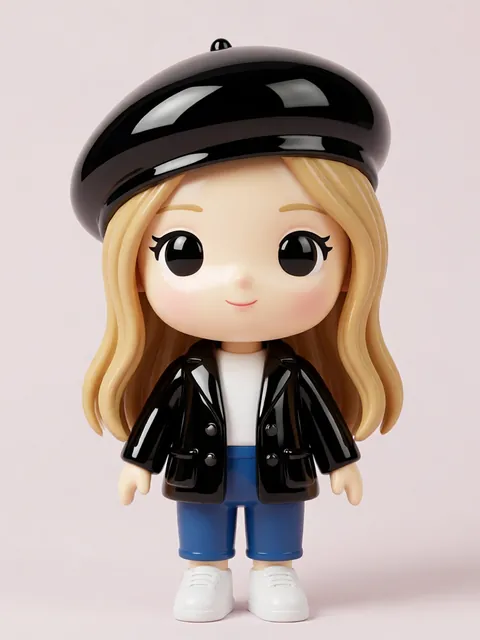
Build a character that stays recognizable across every action, angle, and expression.
Start for FreeFree tier: 40 credits every month. No credit card.