
Create Three-Point Perspective Character Shots
Three-point perspective is what gives a character image that cinematic punch — it’s the visual language of comic book splash pages, movie posters, and concept art keyframes. In three-point perspective, vertical lines no longer stay parallel; they converge to a third vanishing point far above or below the frame, creating dramatic scale exaggeration. Low camera angles make characters look towering and heroic (worm’s-eye view with upward convergence). High angles make them look vulnerable or cinematic (bird’s-eye with downward convergence). Answer: Position EZ Character’s camera at extreme low or high elevations with close distance, then let the three-point perspective effects emerge naturally — larger foreground features, smaller distant ones, converging verticals — for dynamic compositions that feel pulled straight from a comic book panel or film storyboard.
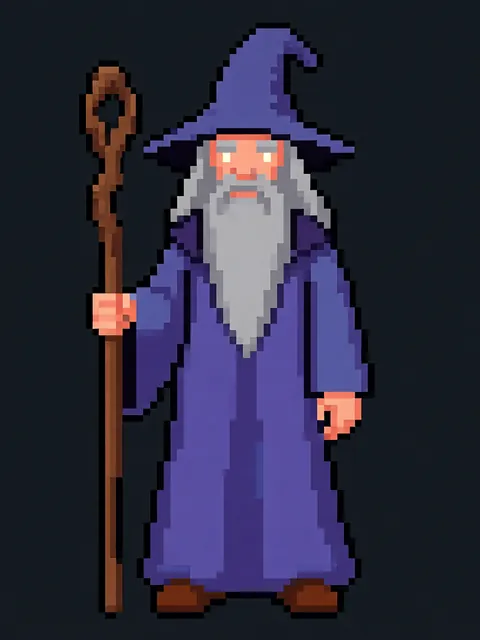
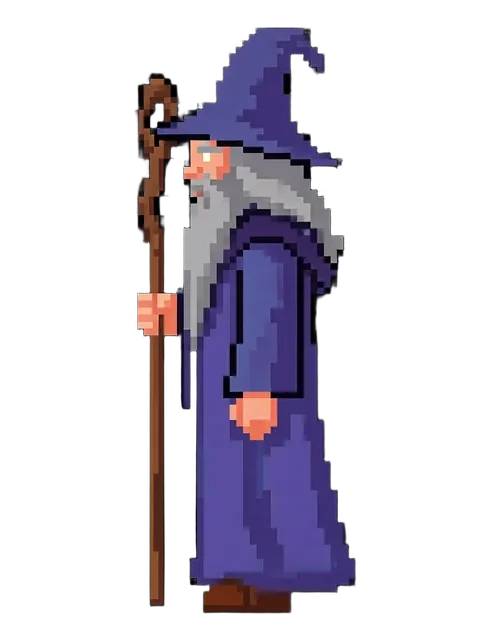
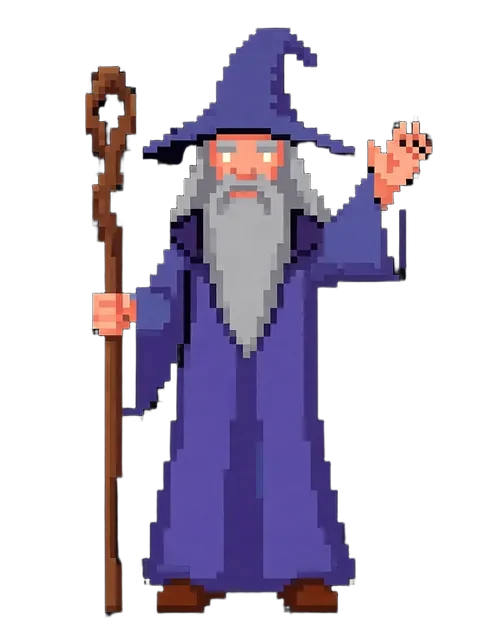
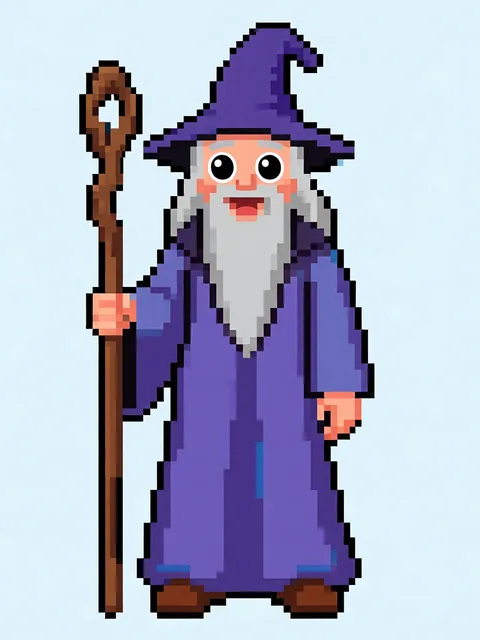
- 01
Set camera to low position (elevation -40, close distance) for worm’s-eye three-point perspective
Drop the camera below the character — negative 30 to 45 degrees elevation — and pull it in close. This worm’s-eye position makes the character’s lower body (feet, legs) appear disproportionately large while the head and upper body recede toward a third vanishing point high above. The effect is instant visual drama: the character looks powerful, imposing, larger-than-life. Tighten the distance until the character fills the frame edge-to-edge, exaggerating the perspective warp for maximum impact. This is the hero shot angle.
- 02
Verify vertical lines converge upward (third vanishing point above character)
Check that vertical structural lines — the character’s sides, weapon shafts, cape edges, architectural elements — angle inward as they rise, converging toward an imaginary point above the character’s head. This upward convergence is the hallmark of worm’s-eye three-point perspective and what separates it from standard two-point perspective. If convergence isn’t strong enough, lower the camera further (to -50 or -60 elevation) or move closer. The more extreme the angle, the more pronounced the three-point effect.
- 03
Generate dramatic low-angle hero shot with exaggerated perspective
Initiate generation with the camera locked at your extreme low angle and close distance. EZ Character renders the character with full perspective foreshortening — feet and lower legs large in the foreground, torso and head compressed toward the top of frame. The render captures the dynamic tension that makes three-point perspective so compelling in comic art: the character feels like they’re towering over the viewer, bursting out of the frame. This angle works especially well for superhero entrances, villain reveals, and "power up" moment illustrations.
- 04
Optionally create matching high-angle counterpart (elevation +40) for villain/downward-gaze shots
For narrative contrast, mirror the camera to a high angle — elevation +40 to +60, looking down at the character. This bird’s-eye three-point perspective inverts the power dynamic: the character looks small, vulnerable, or menacing from above (classic villain-looking-down-from-a-balcony shot). The third vanishing point now converges far below the character. Having both low-angle hero shots and high-angle counterpart shots gives you a complete visual storytelling toolkit for sequential art, comic panels, or animated storyboard sequences.
- 05
Use as dynamic comic panel reference or concept art base
Export the three-point perspective renders at high resolution (300dpi recommended for print) and use them as reference plates or base compositions. For comic artists, overlay panel borders and speech bubble placement directly on the render to plan page layouts. For concept artists, the extreme perspective serves as a lighting and proportion reference that can be painted over or used as an underlay. Because EZ Character preserves accurate anatomy even at extreme angles, the render provides a reliable foundation that would be extremely time-consuming to sketch freehand.
- Start with standard elevation (-30 to -40) before going ultra-extreme (-60+) — the perspective warp at very extreme angles can make character features unrecognizable if you push too far too fast
- Pair three-point perspective shots with dramatic lighting — low key lighting (strong shadows, single light source) amplifies the cinematic effect of the extreme camera angle
- For comic panel sequences, keep the horizon line consistent across shots — if panel 1 has a low horizon (worm’s-eye), panel 2 should maintain the same horizon unless you’re intentionally breaking continuity for effect
- Use a slightly wider lens simulation (pull camera back then crop in post) to get stronger perspective exaggeration without losing character detail at the frame edges
- Three-point perspective works best on characters with clear vertical features — long coats, staffs, spears, capes, and tall helmets all emphasize the vertical convergence and make the perspective read more clearly
- Render the same character at multiple elevation extremes and create a perspective reference chart — it is like a lighting reference sheet but for camera angles, invaluable for maintaining consistent exaggerated perspective across a project
- If you are composing for print (comic books, posters), leave extra headroom and footroom — three-point perspective exaggerates foreground elements, and you may need to reposition the character within the frame during layout
- The "hero shot" sweet spot is elevation -35 to -45 with the character’s head at the upper third of frame — this composition reads instantly as "powerful character" without the viewer consciously understanding the perspective geometry
Frequently asked questions
What is three-point perspective and how does it differ from normal character renders?
What camera settings produce the best worm’s-eye hero shot?
Can I render three-point perspective shots on the free tier?
How do I avoid the character looking distorted or broken at extreme angles?
Ready to create consistent character views?
Upload a reference image and generate multi-angle views that stay true to your character.
Start generating