
Create Isometric Character Views with Camera Control
Isometric projection is the gold standard for strategy games, tactical RPGs, and city-builders — a viewpoint where all three spatial axes appear equally foreshortened, giving every object consistent visual weight. Traditional pixel artists spend hours redrawing sprites for isometric perspective. EZ Character’s orbit camera controller lets you lock in the mathematically exact isometric angle (45-degree azimuth, ~35.264-degree elevation) and render any character from that fixed viewpoint across all rotation angles. Answer: Set your camera to isometric coordinates once, then rotate the character through 360 degrees while maintaining perfect isometric projection — ideal for isometric game sprite sheets, tactical RPG character tokens, and strategy game unit renders where every angle must share the same perspective rules.

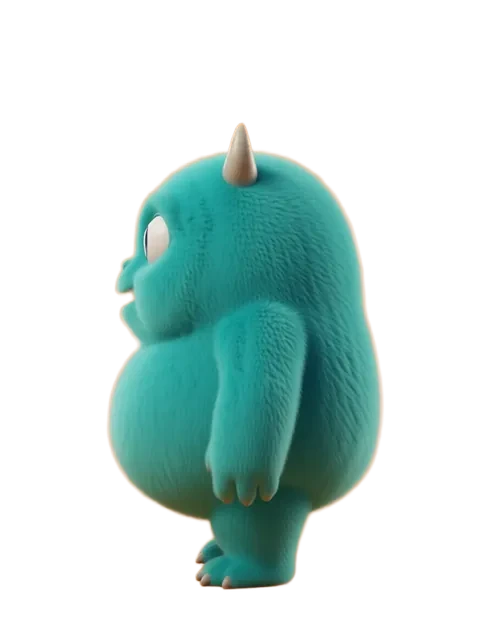
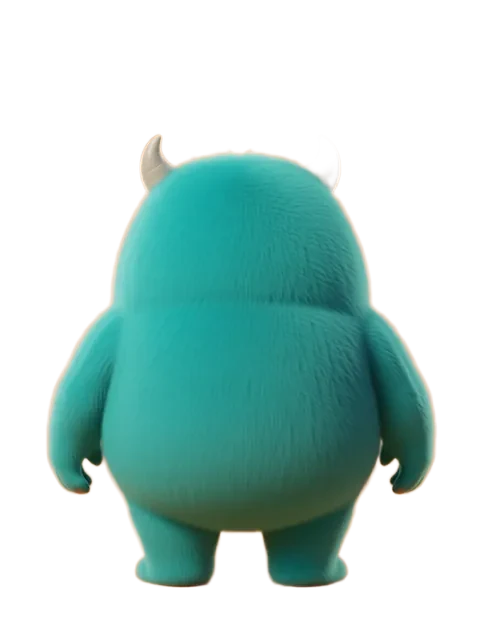

- 01
Set camera azimuth to 45 degrees (3/4 view)
Rotate the orbit camera horizontally to exactly 45 degrees using the azimuth slider or numeric input. This establishes the classic isometric horizontal angle where two faces of a cube appear equally visible — the foundation of all isometric game art. At 45 degrees, the character’s front and side profiles share equal screen real estate, giving viewers spatial information about both the face and body profile simultaneously.
- 02
Set elevation to approximately 35 degrees above horizontal
Tilt the camera upward to ~35.264 degrees — the precise angle where all three axes (X, Y, Z) project at equal length on screen. EZ Character’s elevation control lets you dial this in exactly or snap to the isometric preset. At this elevation, the character’s height reads naturally while the ground plane recedes at the mathematically correct ratio for isometric tile-based engines and sprite compositing.
- 03
Set distance to frame full character with equal scale on all axes
Adjust camera distance so the character fills the frame comfortably with headroom and footroom. In isometric view, distance affects perceived scale consistency — too close and limbs distort; too far and detail is lost. The sweet spot keeps the character’s bounding box centered in frame with enough padding for weapon extensions, wings, or tall headgear that might break the frame edge. Lock this distance for all subsequent angle rotations to maintain consistent sprite sheet dimensions.
- 04
Generate isometric character view
With camera locked at isometric coordinates, initiate generation. EZ Character renders the character from the mathematically exact isometric angle, preserving the proportional relationships that make isometric art readable. The render captures the foreshortening pattern game artists rely on: torso reads clearly, limbs project outward along the isometric grid axes, and facial features remain recognizable despite the angled viewpoint. Rotate the character in 45-degree increments (0, 45, 90, 135, 180, 225, 270, 315) for a complete 8-direction isometric sprite set.
- 05
Export for isometric grid game engine integration
Export each rendered angle at the target sprite resolution for your game engine. EZ Character outputs at configurable resolutions, so you can export directly at 64x64, 128x128, or whatever tile size your engine expects. In engines like Godot, Unity, or RPG Architect, import each angle as a directional frame. The consistent isometric perspective across all angles means sprites composite cleanly against isometric tilemaps without perspective mismatches or visible seams at tile boundaries.
- Use the isometric angle preset button (if available) to snap directly to 45-degree azimuth and 35.264-degree elevation without manual dialing
- Generate a reference cube first at your chosen isometric settings to verify grid alignment before committing character generation credits
- For 4-directional isometric (common in older RPGs), render at 0, 90, 180, 270 degrees — skip the diagonals to save generation credits and sprite sheet memory
- Keep a consistent light source direction across all isometric renders — typically top-left (azimuth 315) for classic isometric lighting convention
- If your game uses diamond-shaped isometric tiles, export sprites with transparent padding matching your tile dimensions for drag-and-drop engine placement
- Render at 2x your target resolution and downscale — antialiased edges blend better against isometric tilemaps than native-resolution pixel snaps
- For isometric buildings or large creatures, pull the camera back proportionally — the 35.264-degree elevation works at any distance but framing matters for oversized assets
- Test your exported sprites in a mock isometric grid (even a simple checkerboard) before finalizing — parallax alignment issues are easier to catch early
Frequently asked questions
What is the exact isometric camera angle for game sprites?
How many angles do I need for isometric character sprites?
Does the isometric view work on the free tier?
What resolution should I export isometric sprites at?
Ready to create consistent character views?
Upload a reference image and generate multi-angle views that stay true to your character.
Start generating