Generate Crayon Childrens-Style Multi-Angle Views
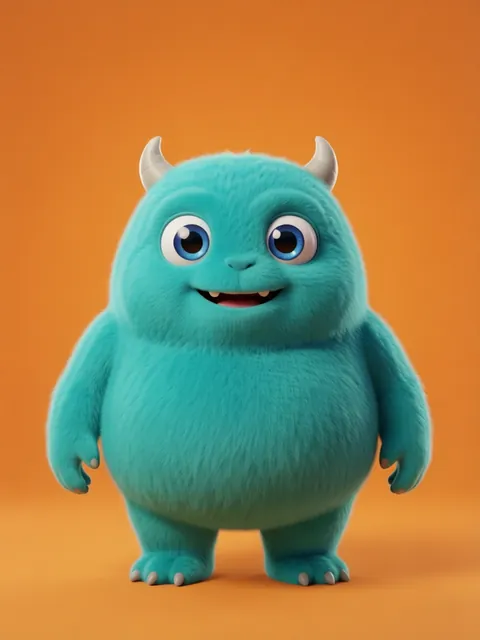
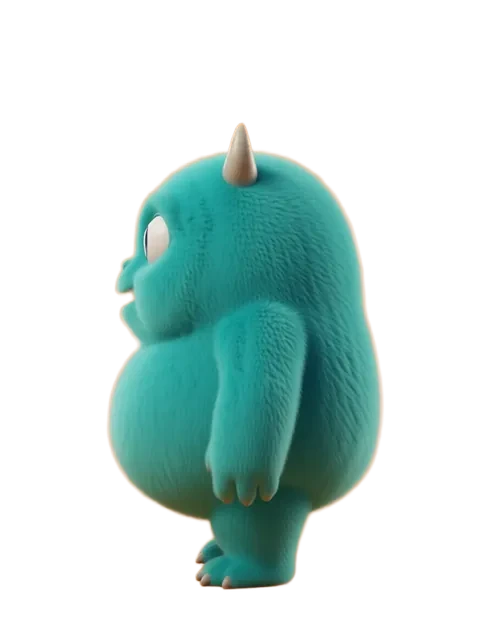
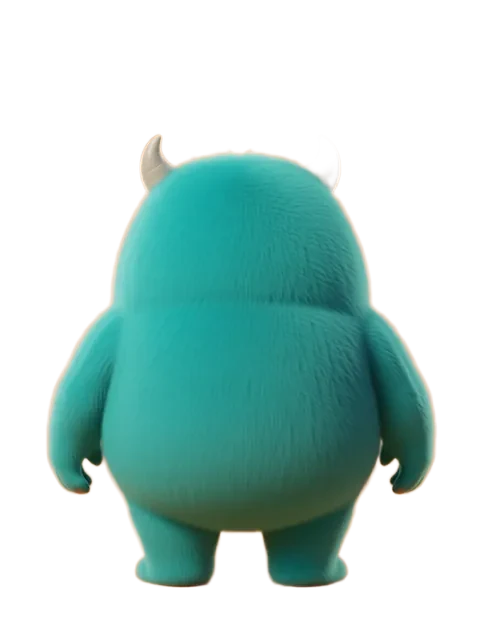
Crayon children’s style mimics handmade kid-drawn art — waxy texture, scribbled fill that varies pressure, bright primary palette, simple bold outlines. It is the visual language of preschool and kindergarten materials, behavior charts, take-home worksheets, and lighthearted social campaigns. AI multi-angle generation reproduces the crayon look across 8 angles, locking character identity while letting the prompt apply crayon texture per angle. Useful for educators, family-targeted brands, and editorial work targeting ages 3–6.
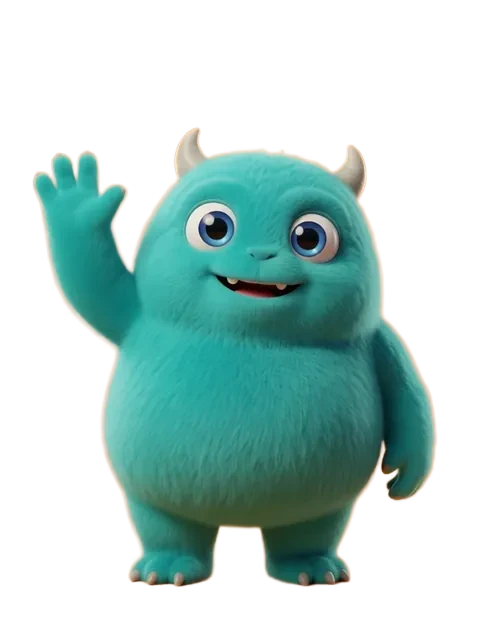
- 01
Pick the crayon authenticity level
Authentic-childlike (deliberate wobble, off-color fill, simple stick proportions) vs polished-crayon (clean line, intentional crayon texture, refined composition). Authentic reads as 'made by a kid'; polished reads as 'made for kids.' Pick based on audience.
- 02
Prompt for wax texture and scribble fill
Use "crayon drawing, waxy texture, scribbled fill, visible paper grain, bright primary palette, hand-drawn line with slight wobble, childlike charm." Negate "digital crisp, vector, polished."
- 03
Generate the 8-angle pack
Run the multi-angle generator at moderate reference strength (75–85%) — crayon style benefits from texture variance across angles, since real crayon naturally varies pressure and stroke direction.
- 04
Reinforce paper texture
Crayon on paper has distinct grain that shows through wax — prompt 'newsprint paper texture visible' or 'manila paper grain.' Without paper texture, the crayon looks like a digital filter rather than physical crayon.
- 05
Use for education or family campaigns
Output works for classroom posters, preschool curriculum, parent-targeted newsletters, family product packaging, and lighthearted social media. For commercial print, vectorize the line work; let the crayon texture be raster.
- Crayon does not blend smoothly — it layers. Prompt "layered crayon strokes" rather than "blended crayon" for authentic feel.
- Bright primary colors (red, blue, yellow, green) read as authentic kid art; muted earth tones read as adult-stylized crayon. Match palette to audience.
- Slight line wobble adds authenticity — perfectly straight lines kill the crayon feel. Prompt "hand-drawn line with slight wobble."
- Avoid fine detail — crayon cannot render fine lines; preschoolers do not draw eyelashes or beard stubble. Keep features bold and simple.
- For preschool curriculum, the crayon mascot models behavior the kids will imitate — choose poses and expressions that demonstrate target behaviors (sharing, raising hand, kindness).
- Generate at full resolution (~1MP, every tier) — crayon texture and paper grain need pixel density to read authentic.
- Honest framing: AI crayon is fast for editorial and curriculum, but real kid-drawn art has value — for behavior interventions and emotion regulation curriculum, ask kids to draw their own version too.
Frequently asked questions
What’s the difference between authentic-childlike and polished-crayon style?
Is crayon style good for early-childhood curriculum?
How do I keep crayon style consistent across multiple worksheets?
Can I print AI-generated crayon art on school materials?
Ready to create consistent character views?
Upload a reference image and generate multi-angle views that stay true to your character.
Start generating