
Create Consistent Character Art for Children’s Books
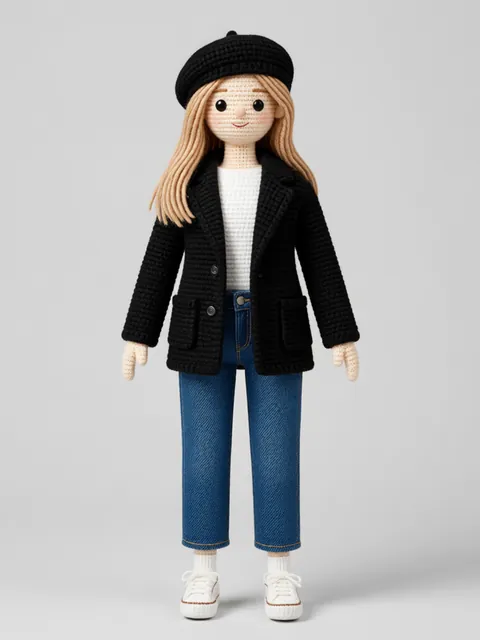
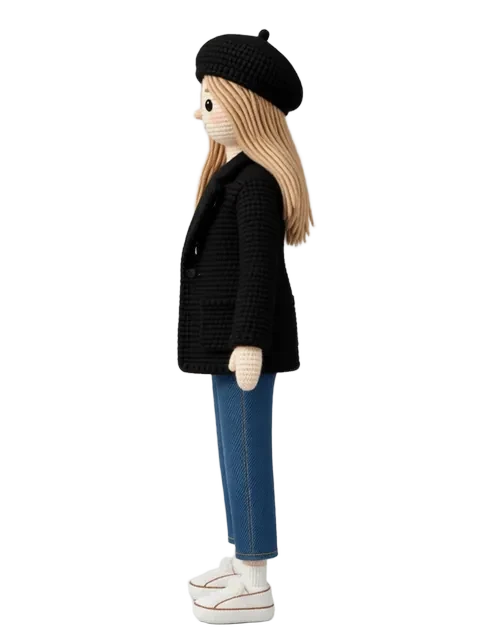
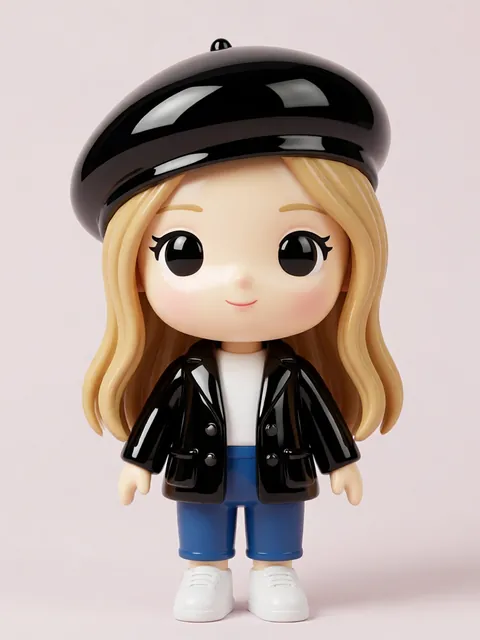
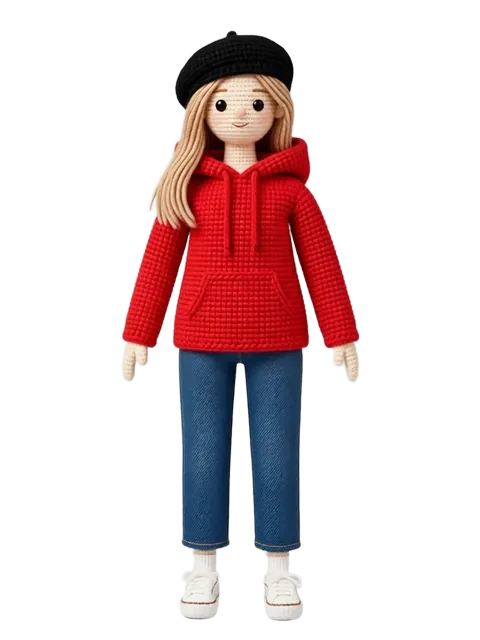
Children’s books live or die on character recognition — a 4-year-old must see Mabel the bear on page 17 and know she is the same bear from page 3. The fix is a locked multi-angle reference set generated up front (front, three-quarter, side, back, plus a tight expression sheet) so every spread reuses the same model sheet instead of re-rolling a fresh character. EZ Character outputs an 8-angle pack from one upload, giving illustrators a master sheet to trace, paint over, or feed into a watercolor pass.
- 01
Lock the hero pose first
Upload a single clean front-facing illustration of your character on a flat background. Print picture books target 24–32 pages, so a strong hero pose becomes the anchor every other spread is graded against.
- 02
Generate the 8-angle model sheet
Run the multi-angle pack to get front, three-quarter, profile, three-quarter-back, and back views. This is your character lock — every illustrator on the project paints from this sheet.
- 03
Build an expression matrix
Re-run the generator with the model sheet swapping facial emotion prompts — happy, scared, curious, sleepy, brave. Picture books typically need 6–10 expressions across an arc; bank them once, not per spread.
- 04
Match output to watercolor or paint pipeline
Outputs are ~1MP (roughly 1024px on the longer dimension) at full resolution on every tier, and the built-in AI Image Upscaler takes them up to 4K. For 8.5×11 trim at 300 DPI you want to use the AI as line/value reference, then paint over rather than upscale — keeps texture honest.
- 05
Bake a color callout strip
Pin your character’s hex swatches (skin, hair, primary garment, accent) onto the bottom of the model sheet. Every illustrator references the strip so red-fox-orange stays the same orange in chapter 1 and chapter 9.
- Render the character with no environment in your reference — backgrounds bleed into AI output and break consistency across spreads.
- Lock the silhouette read first (hat, ears, scarf) — kids identify characters by silhouette before facial features.
- Keep the model sheet at 100% reference strength; expression sheet at 75–85% so emotions can break the neutral pose without warping the face.
- Print books need CMYK conversion — generate in sRGB and soft-proof before sending to press; AI tools always output RGB.
- For 20+ spread consistency, paint over the AI output instead of using it raw — readers will notice AI artefacts in close-up panels.
- The free tier (40 credits every month) is enough to build one full picture-book hero — generate the model sheet on day 1, expressions on day 2.
- Save the source upload — if you ever need a sequel, you regenerate from the same reference instead of trying to match by eye.
Frequently asked questions
How do I keep my character looking the same across 20 picture book spreads?
Can I use AI-generated art directly in a printed children's book?
What’s the best art style for a children’s book made with AI?
How many expressions does a picture book character need?
Do publishers accept AI-assisted character design for kidlit?
Ready to create consistent character views?
Upload a reference image and generate multi-angle views that stay true to your character.
Start generating