
Generate Watercolor Storybook Multi-Angle Views
Watercolor storybook style — soft wash, visible paper texture, deliberate edge bleed, warm muted palette — is the dominant aesthetic for picture books ages 3–7. Beatrix Potter, Eric Carle, Quentin Blake all sit in this tradition. AI multi-angle generation reproduces the surface watercolor look across 8 angles, useful for picture book pre-vis, classroom mascots, and editorial illustration. Honest note: AI watercolor reads as 'AI watercolor' to trained eyes; for print kidlit, the AI output is reference, and the final art is hand-painted over the reference.
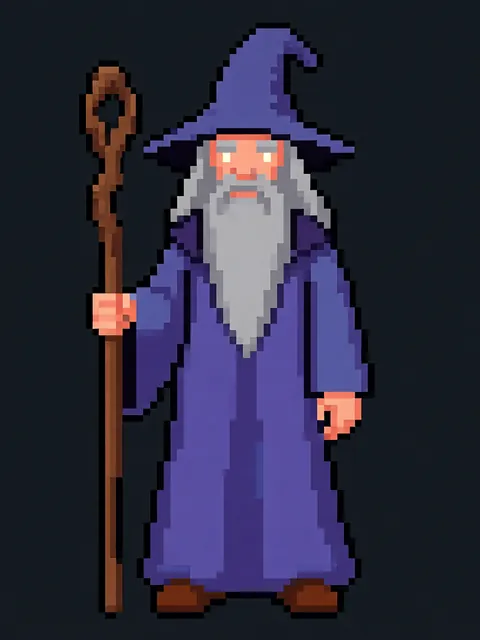
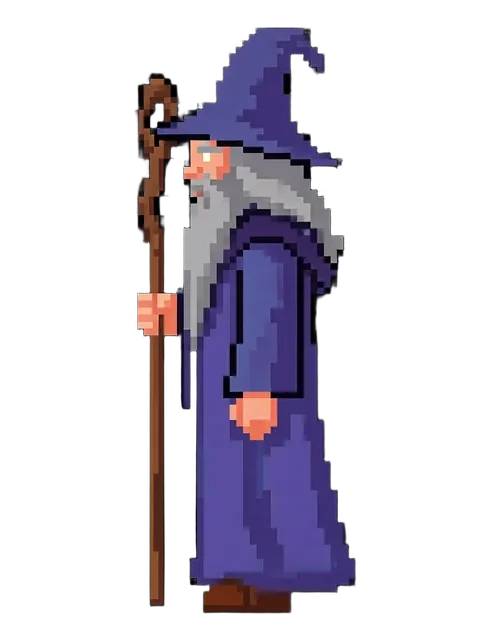
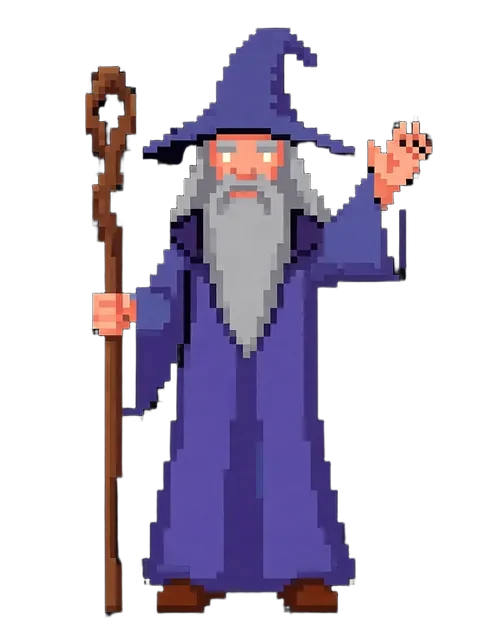

- 01
Upload a soft-feature reference
Watercolor storybook style favors rounded soft features (round head, gentle eyes, simple clothing). Avoid sharp angular features or complex accessories — watercolor wash bleeds across hard edges and the AI will fight you.
- 02
Prompt for wash and paper texture
Use "watercolor storybook illustration, soft wash, visible paper grain, deliberate edge bleed, warm muted palette, hand-painted gouache or watercolor." Negate "digital crisp, cel-shaded, vector."
- 03
Generate the 8-angle pack
Run the multi-angle generator at slightly lower reference strength (80–90%) to allow watercolor texture variance — watercolor naturally varies wash-to-wash and lockstep cross-angle output looks cloned.
- 04
Check for paper texture consistency
Watercolor style depends on visible paper grain — if angle 1 shows paper texture and angle 5 looks digitally smooth, the style collapses. Prompt every angle with "cold-press watercolor paper grain visible" and reroll if missing.
- 05
Paint over for print kidlit
For kidlit production, the AI multi-angle reference is the starting point. Paint over each spread in Procreate, Clip Studio, or actual watercolor for a press-ready picture book. Pure AI watercolor reads as AI to publishers' art directors.
- Cold-press watercolor paper has visible texture; hot-press is smoother. Specify in the prompt — "cold-press watercolor paper" produces grainier output, "hot-press" produces smoother.
- Wash typically reads light-to-dark with deliberate transparency — explicitly prompt "transparent watercolor layering" for authentic style.
- Avoid mixing watercolor with digital crisp elements (vector text, sharp outlines) — looks half-finished and breaks immersion.
- For picture book spreads, generate the character on a flat watercolor wash background — environments separately, composite together to control bleed.
- Honest framing: AI watercolor is reference quality, not production-print quality. Picture book publishers (Candlewick, Chronicle) prefer hand-painted final art with AI as sketch reference.
- Generate at full resolution (~1MP, every tier) — watercolor texture and wash detail falls apart below 1024px.
- Beatrix Potter and Eric Carle are public-domain reference points; prompt "Beatrix Potter style" or "Eric Carle collage style" for distinct watercolor sub-aesthetics.
Frequently asked questions
What makes watercolor storybook style different from regular watercolor?
Can I use AI-generated watercolor art for a published picture book?
How do I keep watercolor characters consistent across 32 picture book spreads?
What watercolor sub-styles are popular in picture books 2026?
Ready to create consistent character views?
Upload a reference image and generate multi-angle views that stay true to your character.
Start generating