
Build a Character Pose Reference Library: Free AI-Powered System (2026)
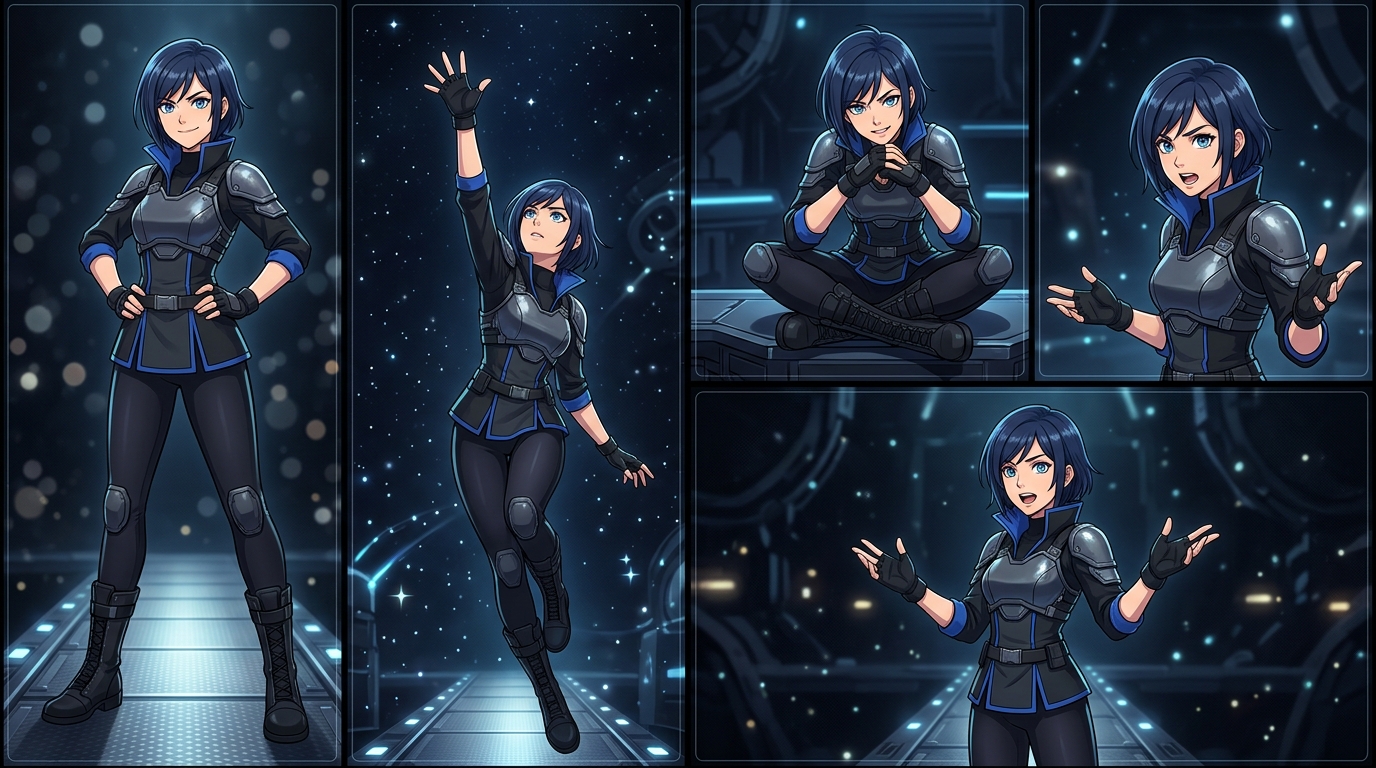
Stop searching for pose references every time you need one. Build an organized, searchable, tagged library of your character in 50+ poses across 7 categories. The same system professional illustrators and game artists use — now powered by AI generation instead of weeks of manual sketching.
Key takeaways
- A pose library is your character's movement vocabulary. 50-80 well-organized poses per character covers 90% of illustration needs — standing, sitting, action, expression, interaction, camera angles, and art styles.
- Organization beats volume. A curated 200-pose library with metadata tags beats an uncurated 2000-pose dump. Tag by category, sub-type, camera angle, and expression for instant retrieval.
- Batch generate by category, not ad-hoc. Generate all standing poses in one session. All action poses in another. Batch consistency produces better quality than scattered one-off generations.
- Your library grows with your character. When the character changes (new outfit, aged up, redesign), regenerate the master reference first, then re-generate the most-used poses. Never mix old and new references.
How to Build Your Pose Reference Library in 5 Steps
A pose reference library is a living asset — it grows with every project and pays back time with every new illustration. Here is the system for building one that actually gets used.
- Generate your character's master reference sheet. Start with the 8-angle reference sheet. This is the identity anchor — every pose you add to the library references back to this canonical sheet. Without it, your pose library becomes a collection of different characters rather than one character in different poses.
- Create category folders with clear naming. Organize by primary pose category (standing, sitting, action, expression, interaction), then by sub-type (standing/confident, standing/casual, standing/formal). Use consistent naming: character-name_category_subtype_variant. "hero_standing_confident_hands-on-hips.png" beats "HeroPose1.png" every time.
- Generate poses systematically, not ad-hoc. Work through the categories methodically. Generate all standing poses in one session, all sitting poses in the next. Batch generation produces consistent quality because you are working within the same mental model and prompt structure across the whole category.
- Tag and metadata each pose. Beyond the filename, maintain a simple spreadsheet or Notion database with columns: pose ID, category, sub-type, camera angle, expression, art style, date generated, prompt used, and notes. This metadata layer is what makes the library searchable — you can find "all sad expressions from low camera angle in watercolor style" in seconds.
- Review and prune quarterly. A pose library grows. Not every pose generated is worth keeping. Every quarter, review the library: remove near-duplicates, promote the strongest variant of each pose, add new categories as your project needs evolve. A curated 200-pose library beats an uncurated 2000-pose dump.
Standing and Idle Poses
The foundation of any character pose library. Standing poses are the default reference point — every other pose is a variation from standing. Organize by attitude: confident stands, relaxed stands, formal stands, casual leans. Each subfolder gets a clear naming convention so you can find the exact standing variant in seconds.
- Standing with hands on hips (confident)
- Standing with arms crossed (guarded)
- Standing with hands in pockets (casual)
- Standing at attention (formal)
- Contrapposto (classical/natural)
- Leaning on one leg (relaxed)
- Standing with arms behind back (patient)
- Standing with one hand on hip (casual confidence)
Sitting and Resting Poses
Sitting poses are where characters read, eat, talk, think, and rest. The surface matters as much as the pose — cross-legged on a floor reads differently from perched on a stool. Tag each sitting pose with the surface type for quick filtering.
- Sitting cross-legged (floor/grass/rug)
- Sitting on edge of chair, leaning forward
- Sitting with knees pulled to chest
- Sitting with legs dangling (perched)
- Sitting with one leg tucked under (couch)
- Sitting on heels / seiza (formal)
- Sitting backwards on chair (casual authority)
- Sitting on floor against wall (waiting)
Action and Dynamic Poses
The poses that read as movement. Running, jumping, fighting, dancing — every action pose captures a split second of movement. Organize by verb (the primary action), then by intensity (walk → stride → sprint). Tag with camera angle for instant recall of which shots worked best.
- Full sprint, arms pumping
- Leaping forward, body extended
- Throwing a punch, body twisted
- High kick, leg at head height
- Mid-spin, clothing flowing outward
- Diving forward, arms outstretched
- Wall run, body parallel to ground
- Superhero flight, cape trailing
Start building your character's pose library today
Generate 50+ organized poses from one locked character reference. Free tier: 40 credits every month. Build a complete library in 2-3 weeks at no cost.
Try Turnaround Sheet free →~8 images per generation. No credit card.
Expression and Emotion Poses
The same character in the same pose reads differently with a different expression. Maintain an expression reference library layered on top of your pose library — each base pose can have 6-8 expression variants. Tag by primary emotion for quick filtering when you need "sad + sitting" or "angry + standing."
- Neutral (baseline reference)
- Happy / joyful (open body language)
- Sad / melancholy (closed, inward)
- Angry / furious (tense, expanded)
- Surprised / shocked (reactive, open)
- Determined / focused (forward lean)
- Scared / anxious (defensive, small)
- Confused / thinking (hand on chin)
Interaction and Relationship Poses
Characters interacting with objects, environments, or other characters create the richest narrative moments. These poses need the most reference material because hand placement, grip type, and spatial relationship between characters are hard to guess. Tag interactions by the object or relationship type.
- Holding weapon at the ready
- Reaching out to touch something
- Cradling small object/creature in hands
- Pulling rope/chain (exertion)
- Two characters embracing (hug)
- Character handing object to another
- Blocking/defending against attack
- Pointing/gesturing toward something
Camera Angle Reference Poses
The same pose shot from different camera angles reads as entirely different compositions. A character standing confidently from eye level reads as relatable; the same pose from a low angle reads as heroic. Maintain camera-angle variants of your most-used poses for quick composition decisions.
- Eye-level front view (neutral/relatable)
- Low angle looking up (heroic/powerful)
- High angle looking down (vulnerable/small)
- Dutch/tilted angle (tension/unease)
- Over-the-shoulder (dialogue/intimacy)
- Worm's-eye view (extreme power/scale)
- Bird's-eye view (overview/omniscience)
- Profile/side view (silhouette focus)
Art Style Reference Library
The same character pose rendered in different art styles. Useful for projects that span multiple visual contexts — the game needs pixel art sprites, the marketing needs painterly illustrations, the comic needs ink line art. Maintain style variants of your core pose set.
- Clean digital line art (comics/graphic novels)
- Flat color illustration (UI/game assets)
- Watercolor style (children's books)
- Pixel art (game sprites)
- Realistic render (concept art)
- Cel-shaded (animation reference)
- Ink wash / sumi-e (artistic variant)
- Sticker/chibi style (merchandise)
FAQ
Organize your character's movement vocabulary
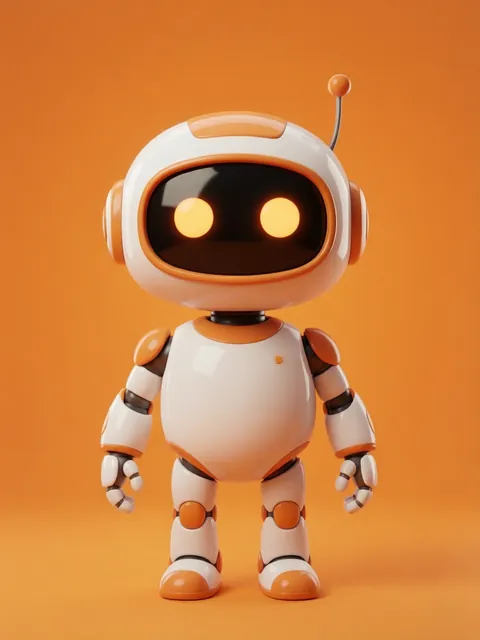
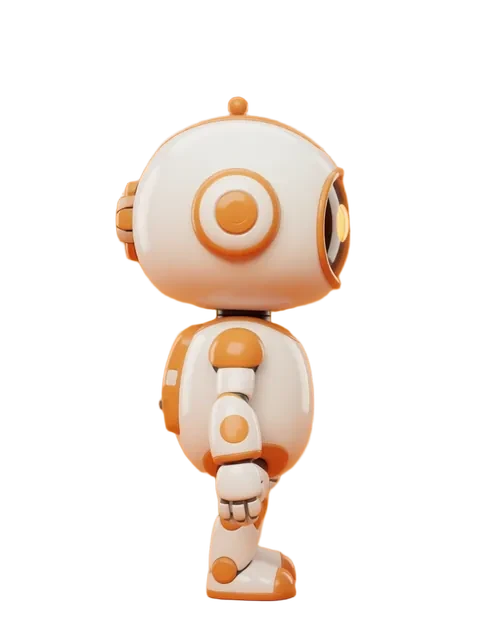
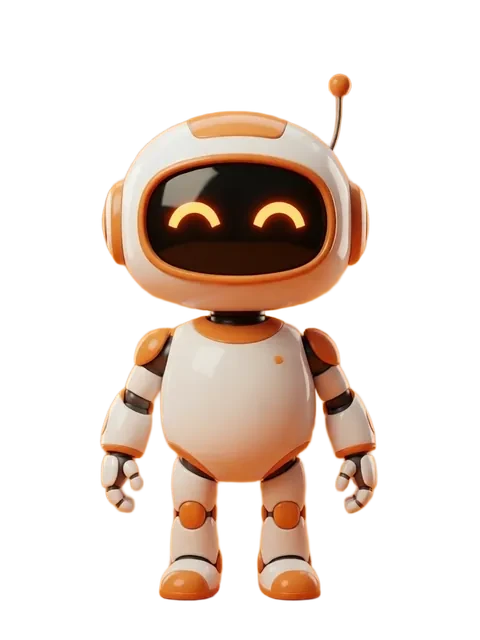
Build a consistent character pose library for comics, games, and animation — organized, searchable, AI-powered.
Start for FreeFree tier: 40 credits every month. No credit card.