AI Character Sprites & Expression Sheets for Visual Novel Developers
One character. Locked. Generate the full visual novel expression matrix — neutral, happy, sad, angry, surprised, embarrassed, smug, broken — without commissioning each emote separately. Ren’Py, TyranoBuilder, and Godot VN modules ready.
The problem
Visual novels stand or fall on character expression range. A single character needs 8-15 expression sprites to cover the emotional reads a 100k-word visual novel script demands. Commissioning each expression individually runs $40-120 per emote per character — for a 6-character cast with 12 expressions each, that’s $2,880-8,640. Most VN devs ship with 4-5 expressions per character because the budget cap. A locked character reference set gives you the full expression matrix per character at one fixed cost. Your scripts can finally cue 'Akira blinks in surprise' or 'Yuna’s resolve cracks' without falling back to the same neutral sprite again.
How visual novel developers use EZ Character
Full expression matrix per cast member (8-12 emotions)
Generate each VN character with an 8-12 expression read: neutral, happy, sad, angry, surprised, embarrassed, smug, determined, broken, asleep, confused, scheming. Ren'Py imports them as image-tagged sprites: `show akira happy`, `show akira sad`. The 100k-word visual novel script suddenly has the emotional palette it needs.
Two-character routes — same character, multiple expressions per scene
VN routes branch by character. Akira’s route needs her in dozens of scenes with shifting emotional reads. The locked reference set means Akira’s expressions stay on-model across her entire route — readers who reach the climax recognize her as the same character they met in chapter 1, just emotionally evolved.
Outfit variants per arc (school uniform, summer festival, formal wear)
VN arcs often shift across outfits — daily-life school uniform, summer festival yukata, formal end-of-year ball. Generate each outfit as a separate reference set off the same locked character. Same Akira, three wardrobes, on-model identity through every wardrobe change. Critical for slice-of-life VNs that span school year transitions.
Sprite + CG event illustration consistency
CG events (the special illustrations that punctuate VN climax moments) need to feel like the same character as the standard sprite — but at higher fidelity, with full composition and lighting. Generate the CG composition referencing the locked character set. Players don’t see a 'sprite Akira' and 'painted Akira' mismatch; they see one character in higher production polish.
Recommended workflow
Start with these step-by-step guides — tuned for the deliverables visual novel developers ship most often.
Which tier fits this work
Start with PRO. VN production is character-heavy across a 6-18 month dev cycle. A 6-character cast × 12 expressions × 3 outfits = 216 sprite reads minimum, plus CG events. MAX at $60/mo, a monthly credit allowance plus member pricing on the EZ engines (fast FLUX 4B images cost 0.5 credits), covers the daily generation cadence a small VN team needs through full production. Pack tiers work for prototypes and demos; once you’re in full production, MAX pays for itself in week one.
Frequently asked questions
Can EZ Character output drop into Ren'Py and TyranoBuilder directly?
How do I make sure expressions stay on-model across 12+ emotion variants?
What about CG event illustrations — those need to feel different from sprites?
Are the outputs licensed for commercial visual novel releases on Steam, Itch, JAST?
Can I use this for an NSFW VN aimed at JAST or DLsite?
Generate your first reference set
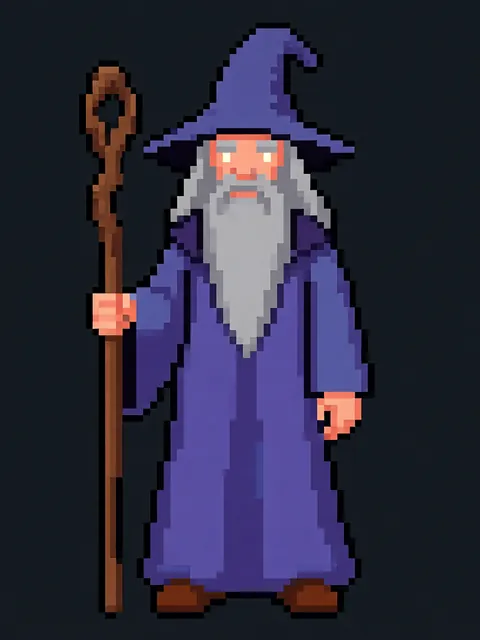
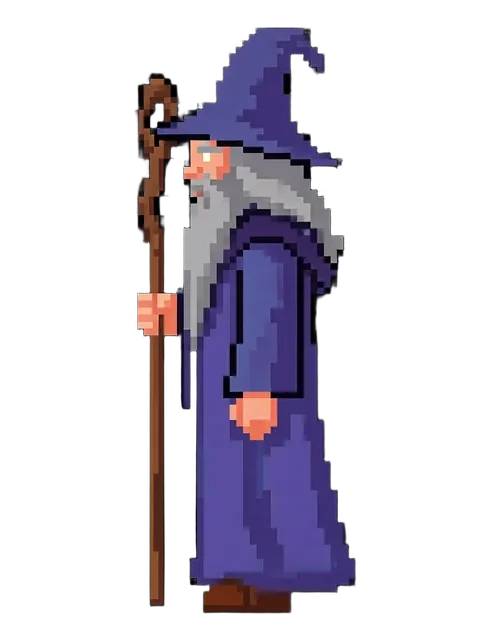
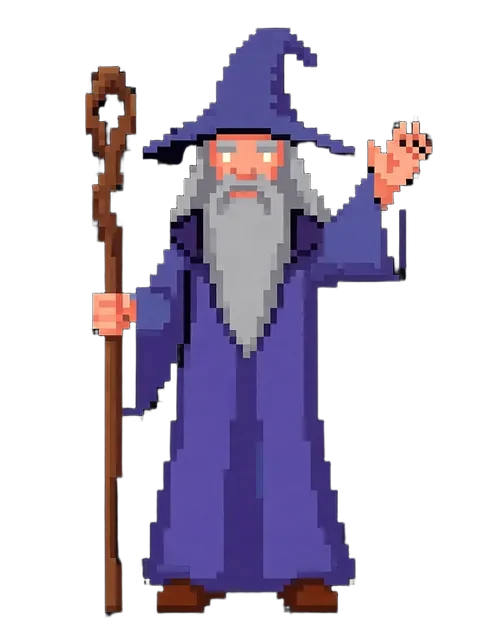
Upload one image. Get 8 consistent angles. Use the set across every spread, frame, or sprite in your project.
Try EZ Character freeFree tier: 40 credits every month. No credit card required.