
Flux vs Stable Diffusion — Prompt Adherence vs Ecosystem Depth for AI Character Art
Flux and Stable Diffusion share a lineage — the Black Forest Labs team behind Flux are the original creators of Stable Diffusion. Yet they represent different tradeoffs. Flux is the newer, simpler choice: class-leading prompt adherence, strong text rendering, and straightforward inference. Stable Diffusion is the deeper ecosystem: 50,000+ community fine-tunes, the LoRA standard, ControlNet for precision compositing, and ComfyUI for node-based workflows. The shared limitation: neither produces a character reference sheet where identity stays locked across 8 angles. Answer: Flux wins on out-of-the-box quality and prompt accuracy with zero community dependencies. Stable Diffusion wins on ecosystem depth, customization, and creative tooling. EZ Character adds the layer neither provides: multi-angle identity locking in a single pass. The pipeline that maximizes each strength: concept work in Stable Diffusion (LoRA precision), base image in Flux (prompt adherence), reference locking in EZ Character.
Flux (Black Forest Labs) vs EZ Character at a glance
| Criterion | EZ Character | Flux (Black Forest Labs) |
|---|---|---|
| Primary strength | Multi-angle character reference sheets — 8 locked angles per job | Flux: best-in-class prompt adherence, strong text rendering | SD: massive ecosystem — 50K+ models, LoRA, ControlNet, ComfyUI |
| Pricing (entry) | $0 free tier (40 free credits every month) | Flux: free (open-weight) or ~$0.003/image cloud | SD: free (open-source, self-hosted) — entirely free with local GPU |
| Character identity across outputs | High — 8 locked angles per job | Flux: low (no character consistency features) | SD: medium with LoRA (but requires per-character training, ~30 min setup) |
| Multi-angle output | 4–8 consistent angles in one pass | Neither produces multi-angle output natively — each requires manual angle-by-angle generation |
| Model ecosystem | Purpose-built for character reference sheets | Flux: growing but limited (fewer fine-tunes, no LoRA standard yet) | SD: 50K+ community models, robust LoRA/ControlNet/IP-Adapter ecosystem |
| Ease of use (new user) | Browser-based — upload reference, get 8 angles | Flux: simpler — few variants, straightforward prompts | SD: steep — ComfyUI nodes, model selection, VAE, sampler choice overwhelm beginners |
| Best for | Locked multi-angle reference for production handoff | Flux: high-fidelity single images with minimal setup | SD: maximum creative flexibility, custom workflows, community model experimentation |
When to use each
EZ Character
You have a character design locked in and need a production-ready reference sheet — 8 angles, matched identity, delivered in one pass without per-angle prompt engineering.
Flux (Black Forest Labs)
Use Flux when you want the best single-image quality with the least setup and highest prompt accuracy. Use Stable Diffusion when you need the LoRA ecosystem, ControlNet compositing, or want to experiment with 50K+ community models.
Frequently asked questions
Flux and Stable Diffusion share the same creators — what actually changed?
Can I use Flux, Stable Diffusion, and EZ Character in the same pipeline?
Does Stable Diffusion require a GPU?
Which has better character consistency out of the box?
What EZ Character tier covers a Flux+SD pipeline?
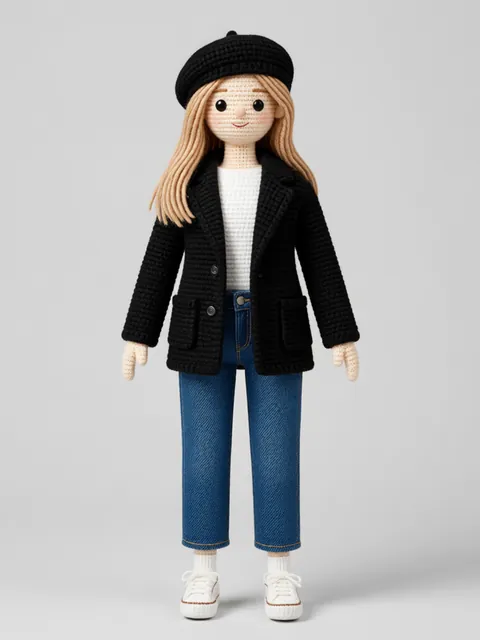
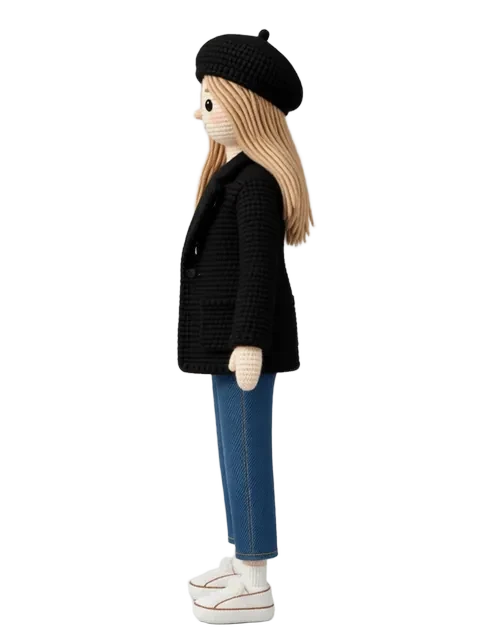
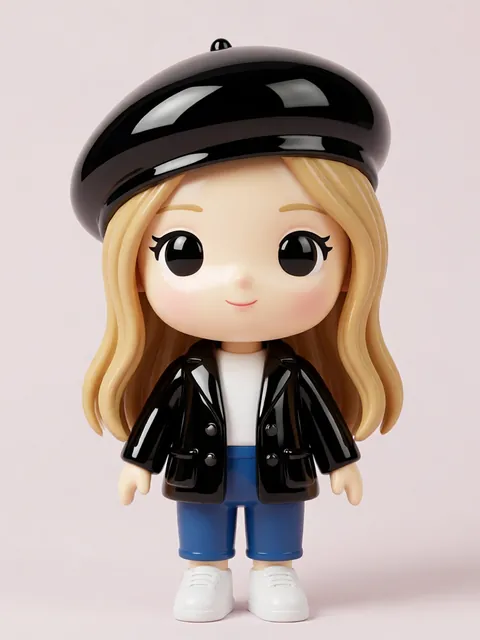
Try EZ Character free
Upload one image. Get 8 consistent angles. See the difference for your own character.
Generate your reference setFree tier: 40 credits every month. No credit card required.