
Sprite Sheets & Character Reference for Mobile Game Developers
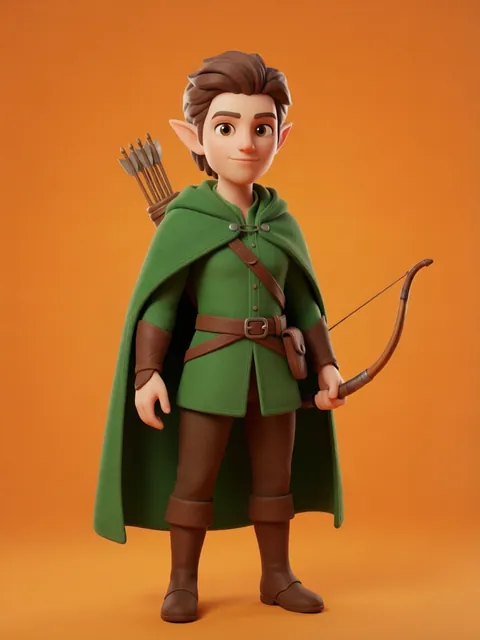
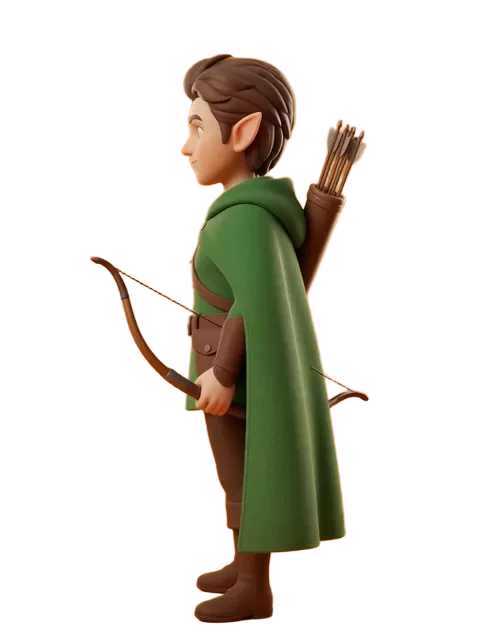
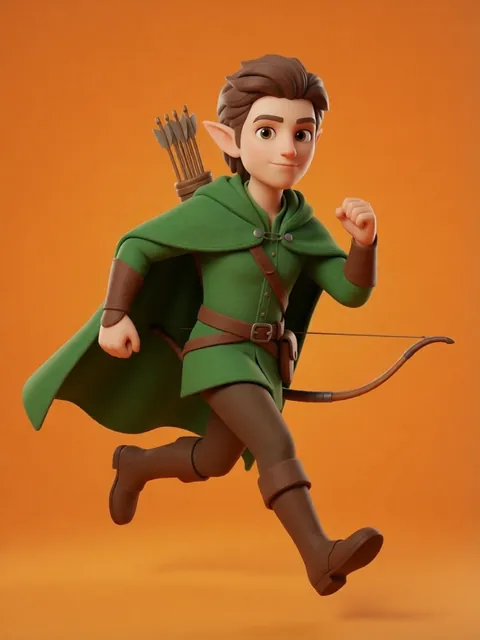
One hero. One NPC. One boss. Locked once as an 8-angle reference set. Your animator ships the sprite sheet, your level designer ships the prototype, your marketing ships the App Store screenshot — all from the same canonical character that never drifts between teams.
The problem
Mobile game pipelines fail at character consistency in the handoff between concept artist, animator, and level designer. The concept art shows the hero in one pose. The animator needs 8 directions for a top-down RPG, or front + jumping + crouching for a sidescroller. The marketing team needs hero key art for the App Store. Without a locked multi-angle reference, each team interprets the character their way — by month 6, the hero in the trailer doesn’t match the hero in the menu, which doesn’t match the sprite running through level 1. The locked reference set is the single source of truth your animator, your level designer, and your marketing team all work from.
How mobile game developers use EZ Character
8-direction top-down RPG sprite sheet (Unity, Godot, Unreal)
Generate the hero in 8 cardinal directions: N, NE, E, SE, S, SW, W, NW. Your animator imports each into Aseprite or Spine, animates the idle and walk cycle per direction. The 8-angle reference set is the difference between a 4-direction sprite (cheap-looking) and an 8-direction sprite (premium-feeling). Same animator hours either way once you have the reference.
Sidescroller hero — idle, walk, jump, crouch, attack reads
Sidescrollers need fewer directions but more pose reads. Generate the hero in 8 pose variants: idle relaxed, idle alert, walk left foot forward, walk right foot forward, jump rising, jump falling, crouch, mid-attack. Your animator stitches the in-between frames. The reference covers the keyframes — the hardest part of staying on-model frame-to-frame.
NPC roster + faction palette swaps
Most mobile games have 20-50 NPCs. Generate the archetype (Knight, Merchant, Mage, Bandit, Royal Guard) as locked reference sets. Apply faction palette swaps in Aseprite for the 200-character roster you actually ship. The reference locks the silhouette and form; the palette swap distinguishes faction without re-commissioning art.
Boss reveal key art + App Store screenshot
App Store screenshots need a hero shot of the boss that reads in a 1170×2532 portrait crop. Generate the boss in dramatic ¾-hero pose plus the silhouette for trailers. Same character your sprite artist will animate frame-by-frame, but at the hero-shot scale your marketing team needs for store conversion.
Recommended workflow
Start with these step-by-step guides — tuned for the deliverables mobile game developers ship most often.
Which tier fits this work
Start with PRO. Mobile game development is character-heavy. A typical mobile RPG ships with 30-60 named characters; even a sidescroller needs 5-10 hero/boss variations through a season. MAX at $60/mo, a monthly credit allowance plus member pricing on the EZ engines (fast FLUX 4B images cost 0.5 credits), matches the daily reference cadence a small studio needs through pre-production and live-ops content drops. Pack tiers work for a 2-3 character demo; once you’re in production, MAX.
Frequently asked questions
Can EZ Character output replace a sprite animator?
Does this work for Unity 2D, Godot, and Unreal Mobile?
What about pixel-art games — won’t AI output look 'too smooth'?
Can I generate the same character across the 4 evolution stages for a Pokémon-style game?
Are the outputs licensed for paid mobile games on App Store and Google Play?
Generate your first reference set
Upload one image. Get 8 consistent angles. Use the set across every spread, frame, or sprite in your project.
Try EZ Character freeFree tier: 40 credits every month. No credit card required.