
Stable Diffusion vs Leonardo.AI — Raw Flexibility vs Polished Game-Dev Platform
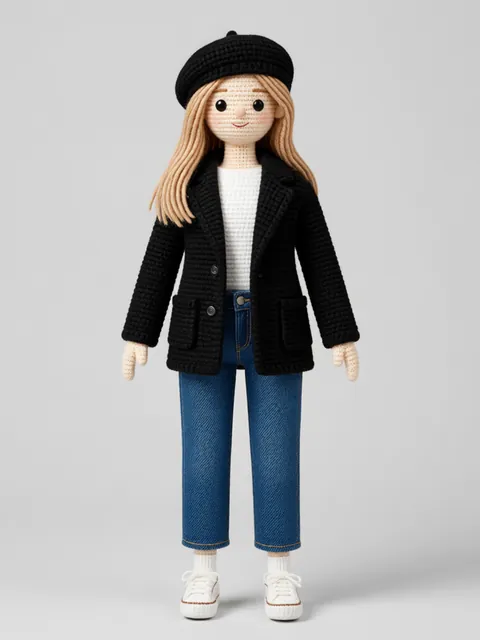
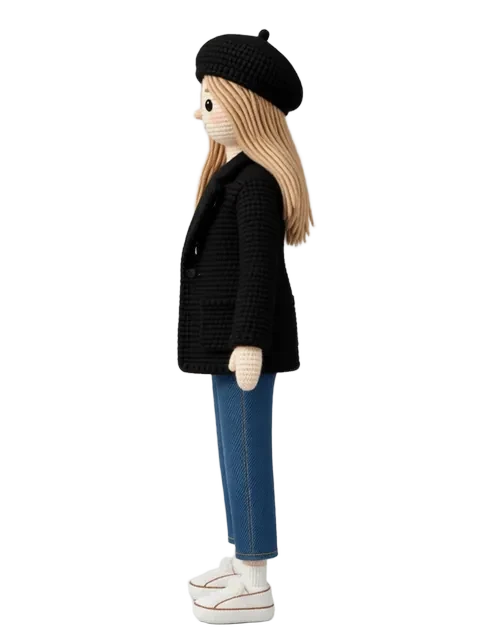
Stable Diffusion and Leonardo.AI give two different answers to the same question: how should AI image generation work for production? Stable Diffusion is the open-source, self-hosted answer — you own the pipeline, choose models, build ComfyUI graphs, train LoRAs, and accept the setup cost in exchange for unlimited control. Leonardo.AI is the polished-platform answer — fine-tuned models (Phoenix, Vision XL, Lightning XL), Realtime Canvas for live ideation, Character Reference conditioning, custom model training, and a production API. For character reference specifically, both leave the multi-angle gap open. Stable Diffusion holds identity across angles with a trained LoRA but demands 1–8 hours of setup per character. Leonardo's Character Reference holds identity for single-image work but produces no locked multi-angle turnaround. EZ Character does that specific job — 8 consistent angles in one pass — and feeds the reference set into whichever platform the creator uses downstream.
Stable Diffusion vs EZ Character at a glance
| Criterion | EZ Character | Stable Diffusion |
|---|---|---|
| Pricing (entry) | $0 free tier (40 free credits every month) | SD: free (self-hosted, GPU required) | Leonardo: free daily tokens + $10/mo Apprentice |
| Platform type | Cloud web app | SD: open-source, self-hosted or cloud | Leonardo: closed platform, cloud-only |
| Character consistency method | Multi-angle one-pass generation | SD: IP-Adapter + ControlNet + LoRA | Leonardo: Character Reference conditioning |
| Time to first multi-angle output | ~60 seconds | SD: 1–8 hours (LoRA training + ComfyUI pipeline) | Leonardo: not natively achievable |
| Custom model training | No | SD: yes — LoRA, DreamBooth, full fine-tune | Leonardo: yes — Train Your Own Model |
| Hardware requirement | None | SD: 8GB+ VRAM GPU | Leonardo: none (cloud) |
| Model ecosystem | Proprietary | SD: largest in AI (Civitai, HuggingFace) | Leonardo: curated fine-tuned models |
| Best for | Fast, locked multi-angle character reference | SD: maximum control, custom pipelines | Leonardo: polished game-dev workflow |
When to use each
EZ Character
You need a locked multi-angle character reference set in minutes, without learning ComfyUI, training a LoRA, or owning a GPU.
Stable Diffusion
Use Stable Diffusion when you need total pipeline control or want to train per-character LoRAs for a long-running project. Use Leonardo for game-dev tooling in a polished cloud interface.
Frequently asked questions
Is Leonardo just Stable Diffusion with a nicer interface?
Can Stable Diffusion produce a character turnaround faster than Leonardo?
Which is cheaper for indie game developers?
Can I train a LoRA in Leonardo?
How does EZ Character fit between Stable Diffusion and Leonardo?
Try EZ Character free
Upload one image. Get 8 consistent angles. See the difference for your own character.
Generate your reference setFree tier: 40 credits every month. No credit card required.