
Generate Lego Minifig-Style Multi-Angle Views
Lego minifig style — fixed body proportions (cylindrical legs, rectangular torso, cylindrical head with C-curve face printing), stud-and-tube construction, flat plastic surfaces with subtle reflection, and limited articulation poses — is instantly recognizable globally. AI multi-angle generation reproduces the minifig aesthetic across 8 angles for fan art, custom minifig pre-vis, and brand campaigns. Honest IP note: 'Lego' is a trademarked brand name; commercial use of 'Lego minifig' prompts may require licensing or rebranding to 'brick figure' for safer commercial output.
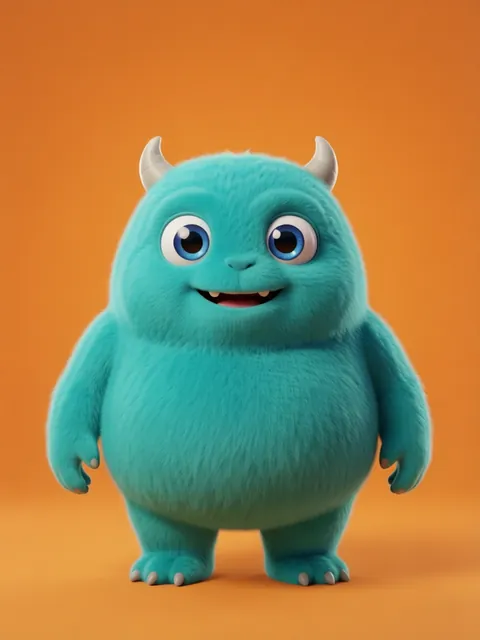
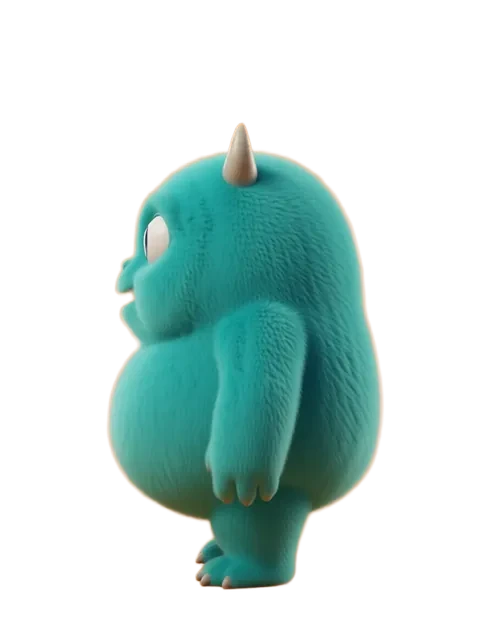
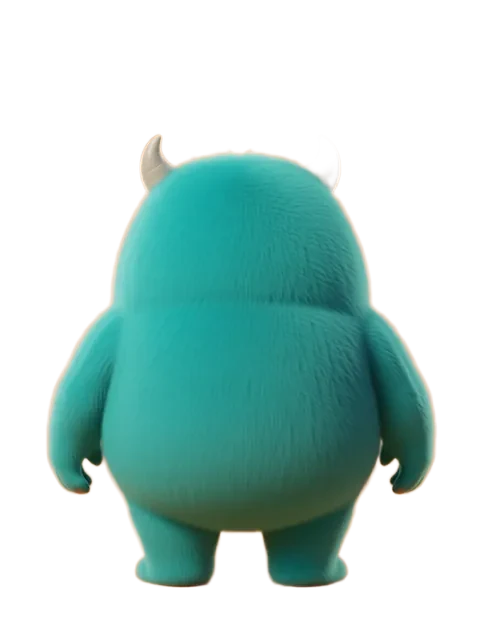
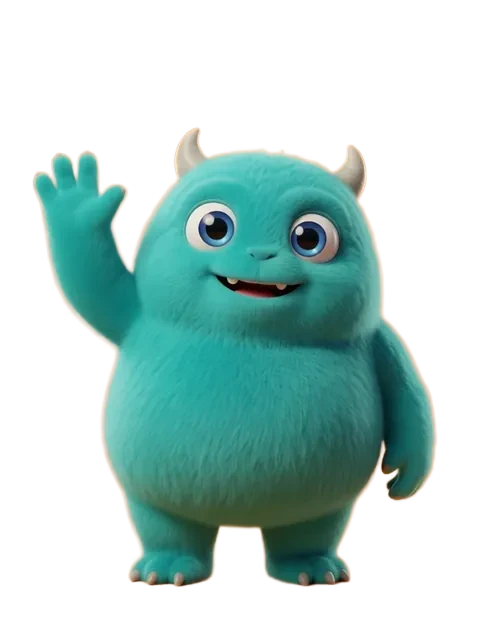
- 01
Lock the minifig proportion
Classic Lego minifig: ~4 brick heights total. Head = 1 brick, torso = 2 bricks, legs = 1.5 bricks. Hands are claw-grip (no fingers). Decide if your character is classic minifig, Star Wars-era minifig (with helmet), or modern minifig (more facial detail). Prompt explicitly.
- 02
Prompt for stud and plastic surface
Use "Lego minifig style, classic brick figure, cylindrical head with C-curve printed face, rectangular torso with printed detail, plastic surface with subtle reflection, studio product photography lighting." Negate "realistic skin, cloth fabric, organic anatomy."
- 03
Generate the 8-angle pack
Run the multi-angle generator at maximum reference strength (100%). Lego minifigs have fixed geometry — the AI should not deviate proportionally. Reroll any angle where proportions drift.
- 04
Verify the hand and articulation
Minifig hands are C-clip claw grip — not human hands. The AI often hallucinates fingers. Check every angle for correct hand geometry and reroll if needed. Articulation is limited to head rotation, arm rotation at shoulder, leg rotation at hip — no elbow or knee bends.
- 05
Use for fan art, pre-vis, or rebrand
For Lego fan art and personal use, the AI output is ready. For commercial use, swap the 'Lego' prompt to 'brick figure' and adjust slightly different proportions (smaller head, flatter face) to avoid IP claims. Most custom minifig vendors (BrickArms, Brickforge) operate in this rebranded space.
- Lego is fiercely protective of brand identity — for commercial work, prompt "brick figure" or "blocky toy figure" rather than "Lego" to avoid IP claims.
- Minifig face printing has a distinct style — simple C-curve with two dot eyes and a single-line smile. Prompt for 'printed face with simple two-dot eyes and curved smile' for authentic feel.
- Plastic surface needs subtle reflection — explicitly prompt "ABS plastic with soft specular highlight" rather than "matte plastic" to avoid the figure looking like cheap rubber.
- Studio product photography lighting (soft three-point light, white seamless background) is the canonical Lego aesthetic — every official Lego marketing image uses this lighting.
- Custom minifig markets (BrickLink, BrickOwl) accept AI multi-angle reference for new mold pitches and custom-print mockups.
- Honest framing: AI generates 80% of a Lego minifig aesthetic, but the printed face detail is hand-illustrated in the AFOL (Adult Fan of Lego) community for production.
- Generate at full resolution (~1MP, every tier) — stud detail, printed face, and plastic specular highlights need pixel density to render authentic.
Frequently asked questions
What defines Lego minifig style?
Can I commercially use AI-generated Lego minifig art?
Why does the AI keep adding fingers to my Lego minifig?
Is Lego minifig style good for board game pieces or tabletop minis?
Ready to create consistent character views?
Upload a reference image and generate multi-angle views that stay true to your character.
Start generating