
Create Character Art for Mascot Branding
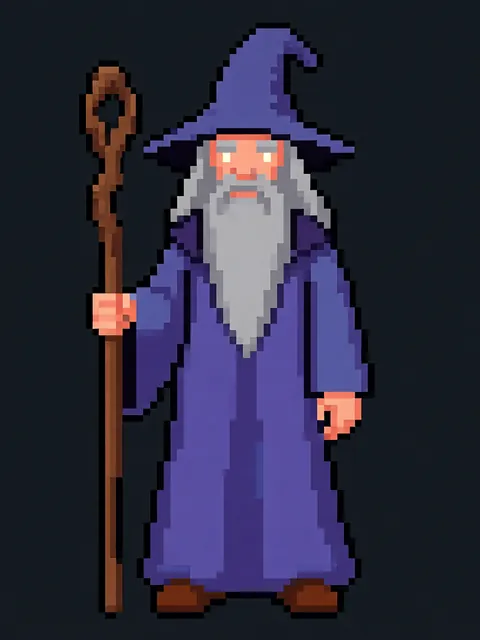
A brand mascot is not a single illustration — it is a system of reusable poses, expressions, and proportions that designers across an org can deploy without re-drawing. The asset that turns "we have a logo" into "we have a mascot" is a multi-angle turnaround plus an expression matrix plus a color callout, packaged as a brand bible. AI compresses what used to be a 4-week illustrator engagement into roughly two generation passes — a model sheet generation and an emotional-range generation.
- 01
Define the silhouette before the details
Mascots succeed on silhouette read — Michelin Man, Mailchimp Freddie, Linux Tux. Sketch a black-shape silhouette first, regenerate variations until one reads at thumb-size, then add color and detail in the AI prompt.
- 02
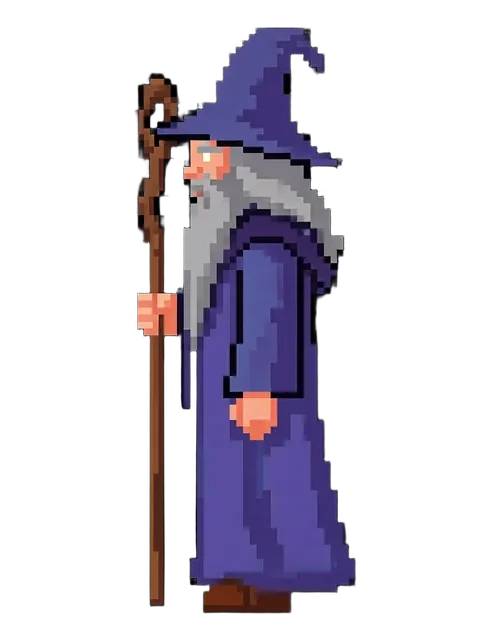
Generate the 8-angle turnaround
Run the multi-angle pack. This becomes page 1 of your brand bible — the canonical view designers screenshot when they need to know "what does the back of his head look like."
- 03
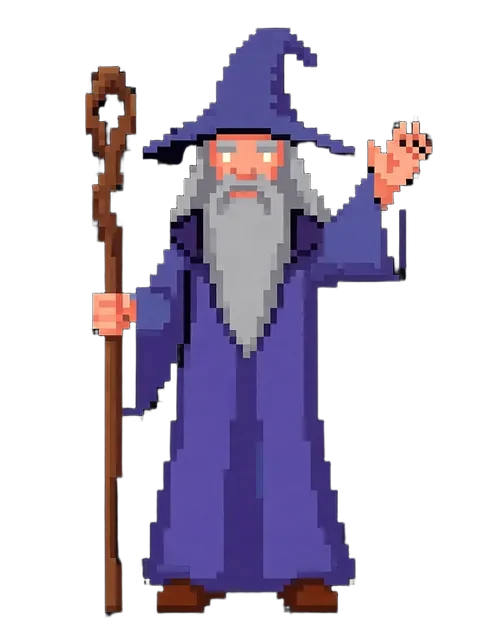
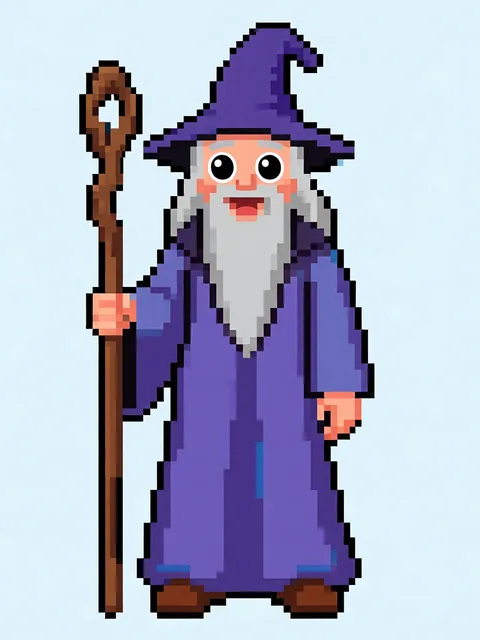
Build a 12-pose expression matrix
Mascots ship to social, error pages, swag, support. You need: waving, thinking, holding object, celebrating, confused, sleeping, working, presenting, sad, surprised, idle, hero pose. Re-run the generator with the model sheet for each.
- 04
Pin color callouts and proportions
Include hex codes for every fill, a head-height proportion grid (mascots usually run 4–6 head heights), and a do-not-do gallery showing recolors, distortions, and bad rotations to avoid.
- 05
Ship as a Figma library + PDF brand bible
Designers want Figma components they can drag in. Marketers want a PDF. Provide both. AI generates the raster source; you trace into vector for the Figma library so the mascot scales clean to billboard size.
- Mascots that "wear" the product (a t-shirt with the logo, holding a feature) outperform mascots that just "have" the product nearby — Princeton GEO-style branding research backs this.
- Use unequal eye sizes or asymmetric features intentionally — perfect symmetry reads as corporate/generic; small asymmetries (Tony the Tiger, Geico Gecko) read as personality.
- Lock the proportion to a head-height ratio (e.g. "always 4.5 heads tall") so contractors do not stretch the mascot vertically in banner ads.
- Generate one "Halloween / holiday / launch" pose set per year — keeps the mascot felt as alive without rebuilding the brand bible.
- Avoid breeds, gendered features, or culturally-loaded items unless on-brand — generic creatures (blob, bird, hybrid) age better than a specific dog breed that becomes a trend.
- For trademark purposes, ensure the final mascot is hand-finished — pure AI output has open IP questions in the US and EU as of 2026.
- The free tier (40 credits every month) is enough to build the turnaround on day 1 and the expression matrix on day 2 — a subscription matters when you scale to weekly seasonal art.
Frequently asked questions
What goes into a mascot brand bible?
Can I trademark an AI-generated mascot?
How many poses does a brand mascot need at launch?
What’s the difference between a mascot and a brand illustration?
How do I keep my mascot consistent when working with multiple freelance illustrators?
Ready to create consistent character views?
Upload a reference image and generate multi-angle views that stay true to your character.
Start generating