
Create Character Art for Board Games
Board games need character art across at least four surfaces: player character cards (poker size, 63×88mm), miniature paint references, rulebook scene illustrations, and box art. Each surface wants a different angle or pose of the same character — the cheapest path is one AI-generated multi-angle reference set that feeds all four. Mid-sized indie publishers spend $5–15K per character on commissioned art; an 8-angle AI reference plus a paint-over pass gets you 80% of the way at a fraction of that cost.
- 01
Define each character archetype slot
Most board games run 4–6 characters with distinct archetypes (warrior, healer, scout, mage). Sketch silhouette differences first — every character should be identifiable from black silhouette alone, especially across the table from a player.
- 02
Generate the multi-angle reference per character
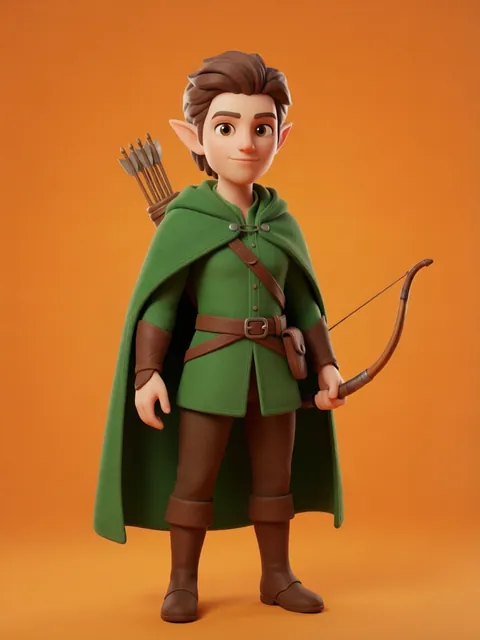
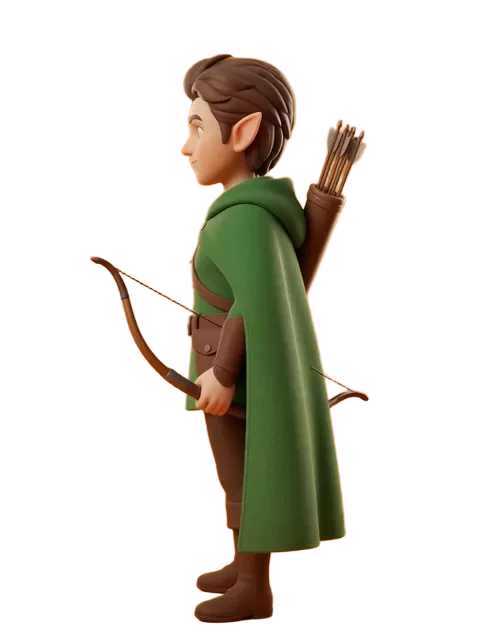
Run the 8-angle pack for each character. You will use the three-quarter hero pose for the character card, the front for the player token, the side for the miniature paint guide, and the back for the box.
- 03
Render scene illustrations from the same source
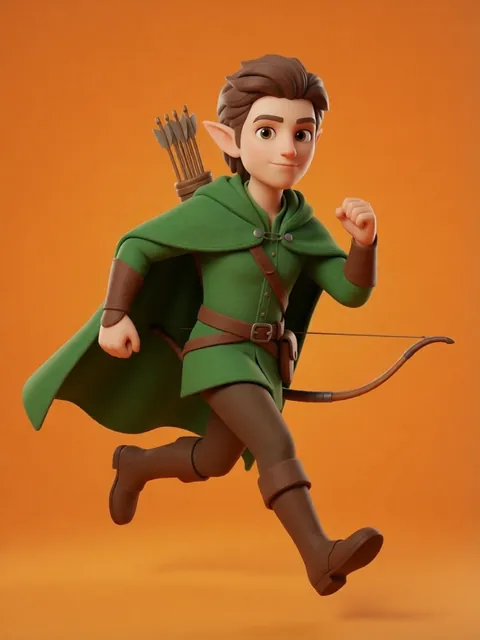
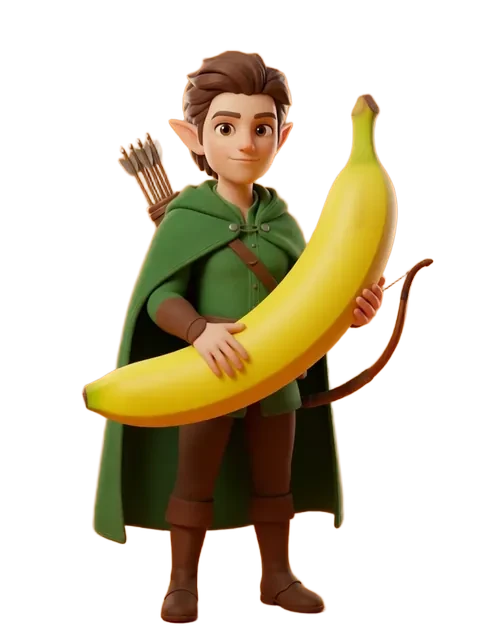
Rulebook art (the warrior fighting a dragon, the scout climbing a wall) reuses the multi-angle reference as a posing guide. Generate the scene with the character reference loaded so identity survives the action pose.
- 04
Lay out character cards with stat blocks
Poker-size cards are 63×88mm at 300 DPI = 744×1039px bleed. Hero pose three-quarter view on the top 60%, stat block on the bottom 40%. Keep faces well above the card center — players hold cards mid-fan and faces below center get hidden.
- 05
Print proof at full scale before backing Kickstarter
Order a single proof from your printer (The Game Crafter, MakePlayingCards, Panda) before committing to a 1000-unit run. Lighting and saturation shift dramatically from screen to card stock — AI-generated colors often print 10–15% darker.
- Distinct silhouette per character is non-negotiable — players sort characters across the table at 2m distance; faces are invisible at that range.
- Use bold rim lighting in prompts ("strong rim light, silhouette-readable") — board game art needs to pop on busy tables.
- Render at the highest AI resolution available (~1MP on EZ Character, on every tier) — card art at 300 DPI hits 1039px on the long edge, so you have margin to crop.
- CMYK shift loses saturation in cyan and magenta — soft-proof in Photoshop or Affinity before sending to print.
- Avoid breeds/cultural specifics that lock you out of localization — Kickstarter board games often ship to 30+ countries.
- For miniatures, generate front, side, and three-quarter views as paint reference — sculptors and painters need orthographic angles, not action shots.
- Honest framing: AI is great for reference and indie-scale art but professional board game illustrators still beat pure AI for box art on retail releases.
Frequently asked questions
What resolution should board game character card art be?
Can I use AI-generated character art on a Kickstarter board game?
How do I make 6 board game characters look distinct?
Do I need orthographic turnarounds for board game miniatures?
Ready to create consistent character views?
Upload a reference image and generate multi-angle views that stay true to your character.
Start generating