
Design Character Day and Night Variants
Day and night variants put the same character in two lighting and mood states — usually warm daylight versus cool moonlight, sometimes with outfit and palette shifts. Game devs use this for day/night cycle characters; storytellers use it for dual-form or shapeshifter characters; brand designers use it for round-the-clock mascots. The identity holds; the lighting, palette, and sometimes wardrobe shift between the two states. Answer: Generate one canonical identity master, then re-prompt the same character with explicit lighting language — "golden hour daylight" vs "moonlit blue ambient" — keeping reference strength at 0.8 and seed locked. For dual-form characters where night unlocks a second appearance (transformation, alter ego), drop reference strength to 0.65 and add the alternate-form description.
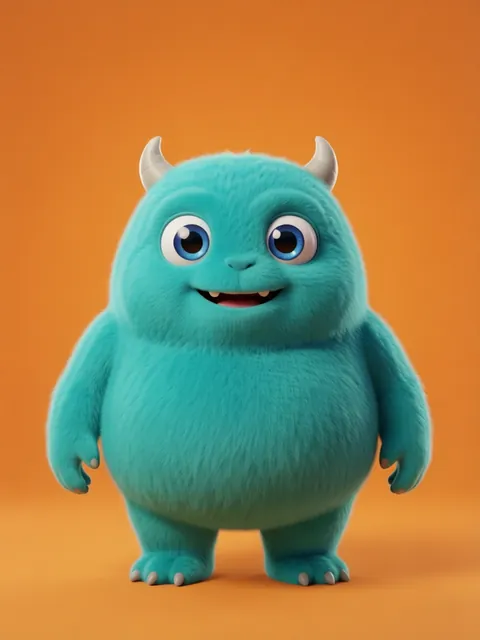
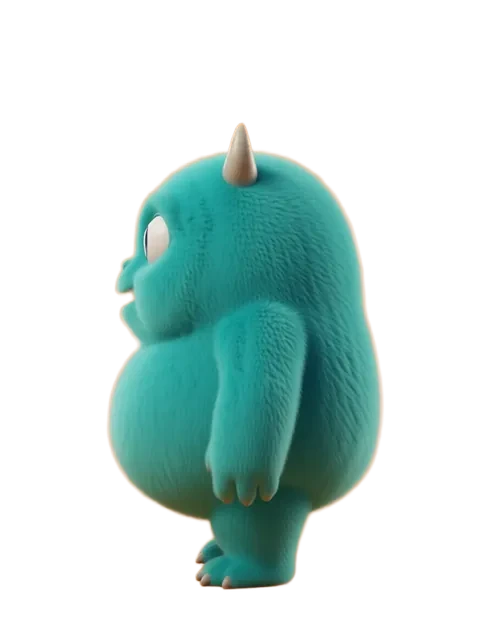
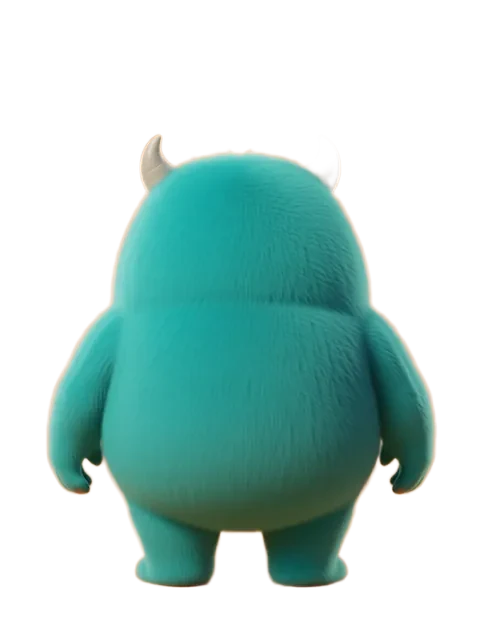
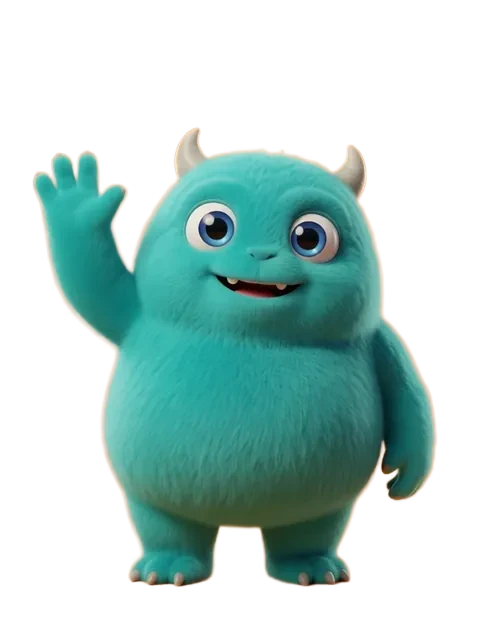
- 01
Decide: lighting shift only, or full transformation?
Lighting-only variants change palette and mood. Full transformation variants change outfit, hair, sometimes form. Choose before generating — the workflows diverge.
- 02
Generate the day master
Standard 8-angle sheet under explicit "golden hour daylight, warm key light, soft shadows" prompt. This is the day reference for all future day work.
- 03
Re-prompt night with lighting language
Same character, locked seed, reference strength 0.8, explicit night lighting: "moonlight ambient, cool blue rim light, low-key shadow." Pure lighting shift, no outfit or form change.
- 04
For dual-form characters, add the transformation
If night unlocks a transformed appearance (alter ego, beast form, magical girl), drop reference strength to 0.65 and add the alternate form description. Identity hangs by one or two persistent features (eye color, mark).
- 05
Compare palettes side by side
Day and night should read as the same scene, twelve hours apart. If they read as two different scenes, the lighting shift is overcooked; pull the night palette back toward the day.
- Lighting-only variants are easier than full transformations — pick the simpler workflow if your project allows
- Golden hour for day, moonlight for night gives the strongest contrast; harsh noon and pitch black night are harder to control
- Keep one palette anchor (hair, eye, signature accessory) bright in both versions so identity holds across the lighting shift
- For dual-form characters, the persistent feature is the contract with the audience — usually eye color or a specific mark
- Game day/night cycle characters need both variants at all 8 angles; storytelling characters can ship at front three-quarter only
- Cool ambient + warm key light is the cinematographer's standard for moonlight — pure blue everywhere reads as underwater, not night
- Add a dawn or dusk transitional variant if your game cycle needs more than two states — same workflow, intermediate lighting
- Dual-form transformations work best when the night form keeps the day form's silhouette — alter ego, not different character
Frequently asked questions
What is the difference between a lighting variant and a transformation variant?
How do I keep the character recognizable in a dual-form night transformation?
Do I need full 8-angle sheets for both day and night variants?
Why does my night variant look like a different scene rather than the same character at night?
Ready to create consistent character views?
Upload a reference image and generate multi-angle views that stay true to your character.
Start generating