
Create Expression Reference Sheets with Camera Angles
An expression sheet captures your character’s emotional range, but the camera angle you choose changes how each emotion reads. Surprise pops from a dynamic front-3/4 angle. Sadness lands harder when the camera looks slightly down at the character. Determination feels heroic from a low angle. By pairing each expression with its strongest camera position, you create a reference sheet that communicates emotion as much through framing as through the face. Answer: Use the 3D camera angle tool to pair each character expression with the camera position that best amplifies that emotion — front-3/4 for surprise, low angle for determination, high angle for vulnerability — and compile them into a professional expression reference sheet.

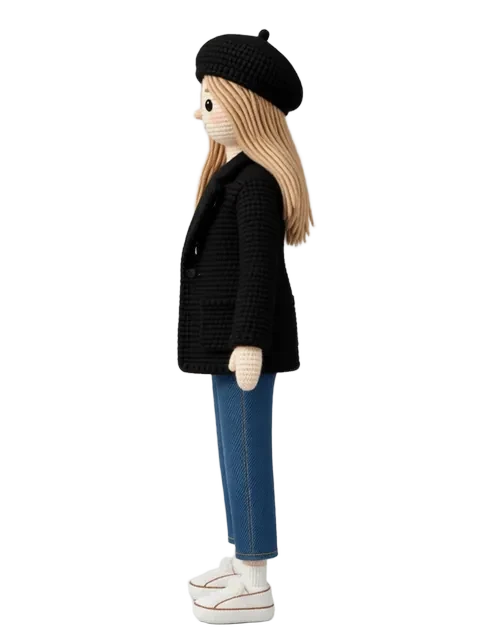

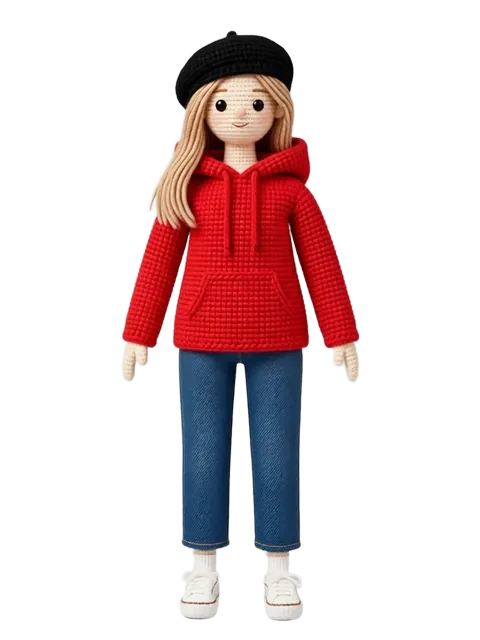
- 01
Generate a Neutral Expression Baseline
Set the camera to azimuth 0 (front view) at elevation 0 (eye level). Generate your character with a neutral expression. This baseline shot anchors your expression sheet and gives viewers a reference point for the character’s resting face.
- 02
Capture Surprise from Front-3/4 at Slight High Angle
Move the camera to azimuth 45 and raise elevation to about +5 degrees. The front-3/4 angle makes surprise dynamic rather than static, and the slight high angle opens up the face — eyebrows raised, eyes wide — so the expression reads clearly.
- 03
Shoot Determination from a Low Angle
Drop elevation to around -20 degrees and keep azimuth at 30-45 for a front-3/4 low angle. The upward camera angle makes the character look heroic and resolute. This is the classic "determined hero" shot used in animation and game art.
- 04
Capture Sadness and Fear from a High Angle
Raise elevation to approximately +30 degrees. The high angle looking down makes the character appear smaller and more vulnerable, which amplifies sad and fearful expressions. This perspective naturally evokes empathy from the viewer.
- 05
Compile and Label Your Expression Sheet
Arrange all expression shots in a grid layout. Label each one with the emotion and the camera coordinates used (azimuth, elevation). Include the neutral baseline prominently. The result is an expression reference sheet where every emotion is framed for maximum impact.
- Surprise and joy both read well from front-3/4 — the slight angle adds energy that a flat front view lacks.
- Anger works best from a low angle or eye-level front view — the directness amplifies the intensity.
- Disgust and contempt benefit from a slight profile angle (azimuth 60-80) — the turned-away body language reinforces the emotion.
- Fear at a high angle combined with a slight Dutch tilt (5-8 degrees) creates a particularly unsettling, cinematic result.
- Keep the distance consistent across all expressions in your sheet so the character scale does not shift between frames.
- For animation reference, add an "intensity gradient" — the same emotion at 3 different camera angle strengths to show the range.
- Include the camera coordinates in the file name of each exported image so you can exactly reproduce any expression angle later.
- You can build a full expression sheet in one session on any tier — there is no daily cap. The free tier gives you 40 credits a month to spend on it; PRO adds 900.
Frequently asked questions
Which camera angle is best for happy or joyful expressions?
Should I use the same camera angle for every expression in a sheet?
How many expressions should a professional reference sheet include?
Can I create expression reference sheets on the free tier?
Ready to create consistent character views?
Upload a reference image and generate multi-angle views that stay true to your character.
Start generating