
Create Character Art for VTuber Streams
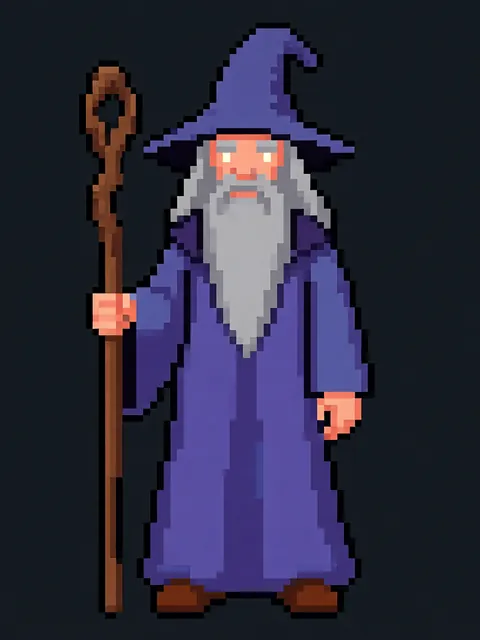
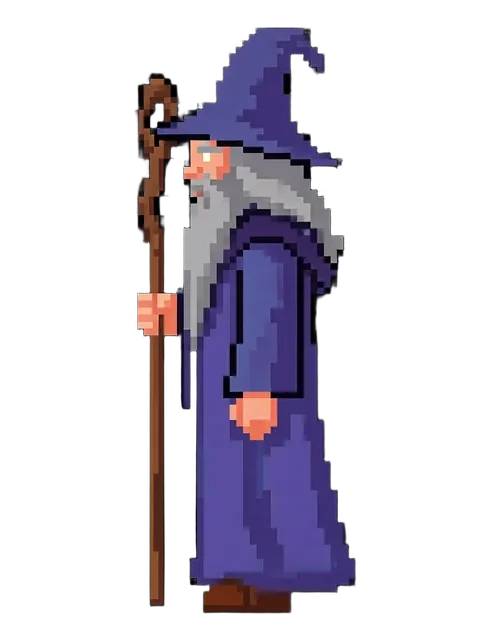
A VTuber avatar is not just one render — it is a system: a multi-angle turnaround for the rigger, an expression matrix for emote triggers, BRB and starting-soon stream screens, channel banner, panel art, and merch. Live2D and VTube Studio rigs need orthographic front, three-quarter, and profile views to build the parallax depth that makes the avatar feel alive. AI multi-angle generation produces all of that from one upload — the rigger then takes the model sheet into Live2D Cubism or a similar tool. EZ Character outputs 8 angles per job at ~1MP on every tier, enough resolution for both the rig and the stream overlays.
- 01
Lock the design language first
Anime-leaning VTubers dominate the space, but indie streamers increasingly differentiate with non-anime styles (cel-shaded western cartoon, mascot, semi-realistic). Decide before prompting — your design style is the brand for the next 2–5 years.
- 02
Generate the rigging reference set
Run the multi-angle pack — front, three-quarter, profile, three-quarter-back, back. Live2D riggers will use the front and three-quarter primarily; some advanced rigs use the profile for head-turn parallax.
- 03
Build the expression matrix
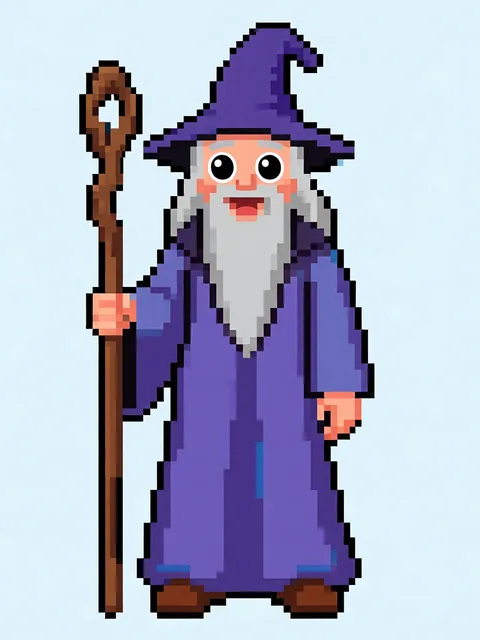
Riggers need at least 6–8 expressions to map to hotkeys: idle, smile, laugh, surprised, angry, sad, smug, confused. Re-run the generator with the model sheet locked, swapping facial emotion in the prompt for each.
- 04
Render stream overlay scenes
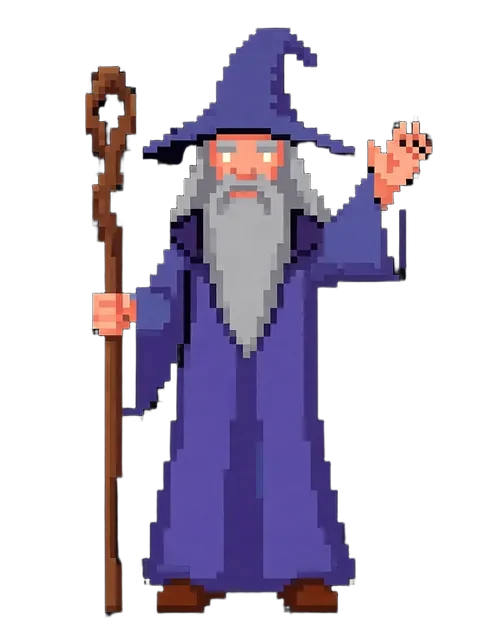
BRB (be right back) screen, starting soon, ending stream, just chatting overlay corner. Each uses a different pose of the same character — generate from the multi-angle pack so the streamer's on-stream avatar and the BRB screen feel like the same persona.
- 05
Export for the rigger
Live2D Cubism wants PSD files with each body part on a separate layer (eyes, mouth, hair front, hair back, body, arms). AI outputs flat PNG, so the rigger or a separator pass splits the layers manually. Pay for that step — DIY layer-splitting is the #1 reason indie VTuber rigs feel stiff.
- For Live2D, do not skip the three-quarter view — it is what the rigger uses to calibrate head-turn parallax depth.
- Hair physics matter — Live2D simulates hair sway; generate hair as separate front-hair and back-hair groups in your prompt for cleaner rigging.
- Avoid extremely complex outfits (lots of small accessories, layered skirts) — every element becomes a separate rigged layer; cost scales linearly.
- Render the expression sheet at the same lighting and camera as the main reference — expression drift across light angles confuses Live2D blend states.
- Honest framing: AI multi-angle gets you 70–80% of the way to a shipping VTuber rig. Final layer separation + Live2D rigging still costs $300–2000 from an experienced rigger.
- For OBS scenes, render BRB and intro overlays at 1920×1080 minimum — character art at ~1MP on a 1080p canvas leaves headroom for typography and motion.
- Channel banner (YouTube: 2560×1440, Twitch: 1200×380) needs a wide pose — generate one extra horizontal-pose render from the multi-angle pack for banner use.
Frequently asked questions
What does a VTuber rigger need from the character artist?
Can I rig an AI-generated VTuber avatar in Live2D?
How many expressions does a VTuber rig need?
Is AI-generated VTuber art accepted by the community?
Ready to create consistent character views?
Upload a reference image and generate multi-angle views that stay true to your character.
Start generating