
Create Anime Character Reference Sheets
Anime character reference sheets (settei) are the backbone of Japanese animation production. A proper anime reference sheet goes beyond a simple turnaround — it includes detailed hair guides, expression charts with emotional range, costume breakdowns, and proportion specifications that allow any animator on the team to draw the character on-model.
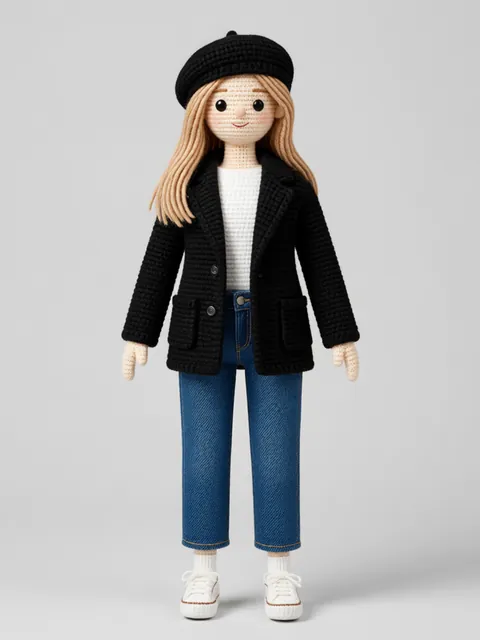
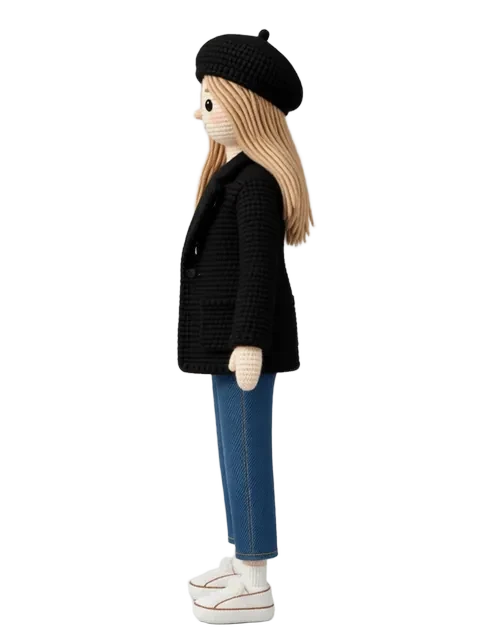
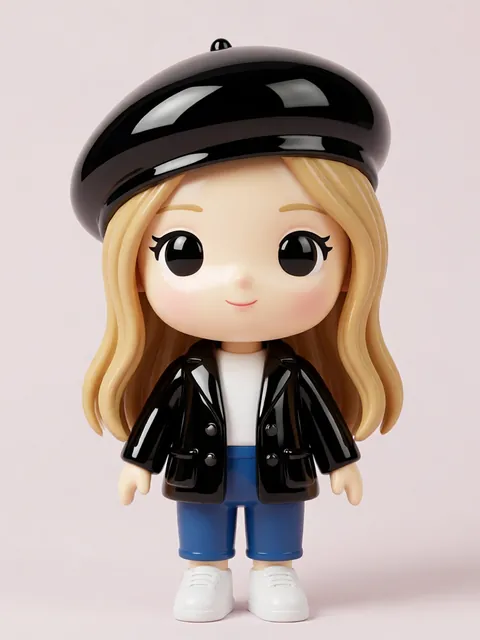
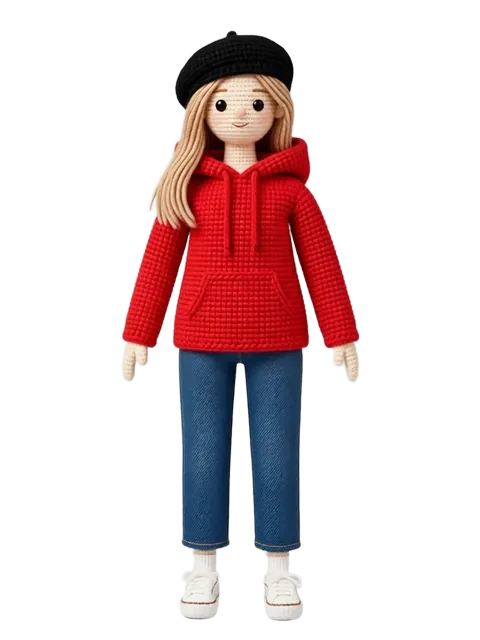
- 01
Build the height and proportion chart
Create a front view with horizontal guide lines at key anatomical landmarks: top of head, eye line, chin, shoulder, waist, hip, knee, ankle. Note exact head-height proportions.
- 02
Generate the full turnaround set
Front, three-quarter front, profile, three-quarter back, and back views — all aligned to the same proportion guides.
- 03
Create the hair detail page
Anime hair is often the most complex element. Generate separate close-ups showing: front hair parting, how bangs fall, side hair flow, back hair shape, and hair highlights placement.
- 04
Build the expression chart
Generate 8-10 face close-ups covering the full emotional range: neutral, smile, laugh, sad, crying, angry, surprised, embarrassed, determined. Include mouth shapes for lip-sync.
- 05
Produce the outfit breakdown
Generate the character in: full outfit, simplified uniform, swimwear/minimal (for anatomy reference), and any alternate costumes. Show how accessories attach and detach.
- 06
Compile with color specifications
Include flat color swatches with hex codes for: skin (lit, shadow, blush), hair (base, highlight, shadow), each clothing piece (lit, shadow), and eye (iris, pupil, highlight).
- Anime eyes have multiple distinct zones (iris, pupil, highlight, shadow). Document each zone separately.
- Hair color in anime has at least 3 tones: base, shadow, and highlight. Specify all three.
- Include a chibi version of the character for SD (super deformed) scenes that appear in most anime.
- Note the exact line weight the character should be drawn at — this varies between anime productions.
Ready to create consistent character views?
Upload a reference image and generate multi-angle views that stay true to your character.
Start generating