
Create Game Character Art in Stained Glass Fantasy Style
Stained glass art has illuminated sacred stories for a thousand years — now it’s the most striking look in fantasy game UI. Bold black lead lines divide jewel-tone glass segments into faceted portraits that feel simultaneously ancient and fresh. For game developers, stained glass characters serve triple duty: deity portraits that radiate divine authority, loading screen art that transforms wait time into reverence, and legendary character cards that make rare pulls feel like uncovering a cathedral relic. The technical magic is backlit luminosity — stained glass art doesn’t reflect light, it transmits it, which means your character’s colors need to glow from within rather than sit on a surface. This guide covers creating an 8-angle stained glass reference sheet with consistent lead-line geometry, a framed deity card portrait, and compositing-ready exports with backlit luminosity for your game engine’s material system. <strong>Answer: Use multi-angle AI generation with stained glass style prompts to produce bold-lead-line, jewel-tone, backlit character art with geometric glass segmentation across 8 angles, deity card portraits, and in-game compositing exports with luminance-channel transparency for engine integration.</strong>
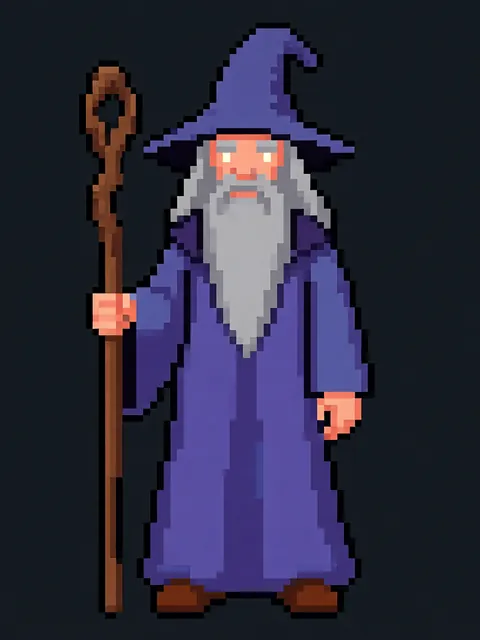
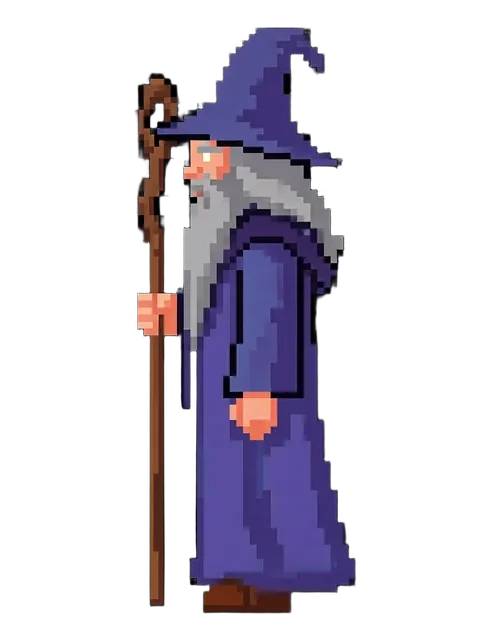
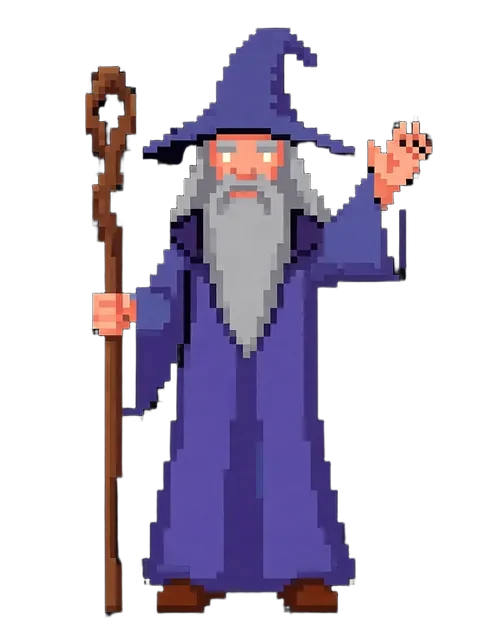
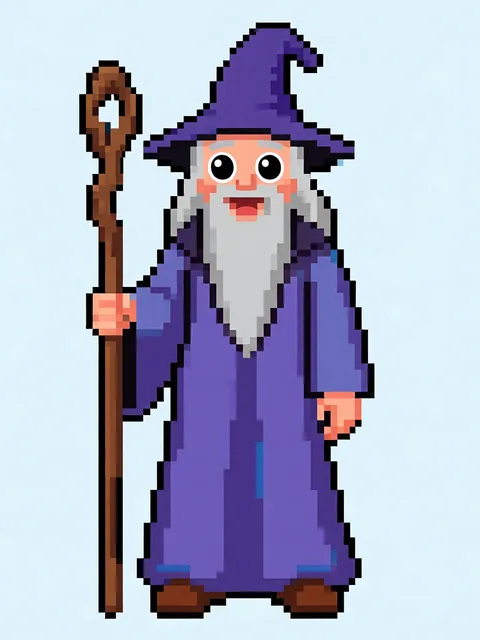
- 01
Design Character with Stained-Glass-Friendly Bold Forms
Stained glass demands bold, simplified shapes — fine detail disappears into lead lines. Design your character with: strong geometric silhouettes, facial features reduced to 5-7 glass segments per eye region, hair as 8-12 interlocking glass shards, clothing simplified to facets (not folds), and a 6-8 color jewel-tone palette (ruby red, sapphire blue, emerald green, amethyst purple, topaz gold, diamond white). Each color gets one tint variant — stained glass doesn’t gradient; it segments. The lead lines should be 2-3% of the total image area.
- 02
Generate 8-Angle Stained Glass Reference with Lead-Line Consistency
Generate front, front-right, right, back-right, back, back-left, left, and front-left views with stained glass parameters: "bold black lead lines 2px weight, jewel-tone glass segments, cathedral glass texture with slight ripple, backlit illumination from behind the glass, light rays passing through colored segments casting colored shadows, dark patina on lead, no gradients, flat color within each glass shard." Lead-line geometry is the consistency anchor — the same facial features must be bounded by the same lead-line shapes across all 8 angles.
- 03
Verify Color Segmentation Across Angles
Run a glass-segment audit on every angle: each named color zone (e.g., "ruby cloak segment A," "sapphire eye right") must appear in the same position, at the same relative size, bounded by the same lead-line pattern across all angles. A glass segment that shifts position by even 5% breaks the stained glass illusion — in real stained glass, the leading is permanent. Create a color-segment map overlay for the front view, then apply it as a reference grid for the other 7 angles to verify segment fidelity.
- 04
Create Deity Card Portrait from Front View
Extract the front-view character and frame it in a Gothic arch window shape (pointed arch with tracery at the apex). Add a secondary border of smaller glass segments in complementary jewel tones forming a halo or mandorla around the character. Include a "glass maker’s mark" — a small unique symbol in one corner as if signed by the fictional stained glass artisan. Generate at full resolution (~1MP), then run the built-in AI Image Upscaler and crop to 1024x1536 pixels (2:3 portrait ratio, standard for digital card games) with the backlit glow embedded as an additive-blend luminance channel for your game’s material shader.
- 05
Export with Backlit Luminosity Effect for In-Game Compositing
Export two variants of every asset: a "lit" version with full backlit glow (for loading screens, shrine menus, and card reveals) and a "unlit" version at 40% luminance with external light only (for ambient display, thumbnails, and inventory icons). Package with a luminance mask (grayscale image where white = full backlit glow, black = opaque lead lines) that your game engine can use to dynamically blend between lit and unlit states. Include an HDR emissive map at 2x resolution for engines that support bloom post-processing on stained glass materials.
- Jewel-tone palette should max at 8 colors — more than that and the glass segments lose visual hierarchy
- Lead lines must be pure black (#000000) and exactly 2px at export resolution — thinner reads as cracked glass, thicker as wrought iron
- Backlit glow should be warm amber (#FFB347) — it simulates candlelight through cathedral glass
- The Gothic arch frame adds instant "fantasy deity" context — even a simple character reads as sacred when framed this way
- Each glass segment should be a single flat color — no gradients or textures within a segment
- Test your stained glass character on a dark background (not white) — the backlit effect only works against black
- Include a "lead-line weight" reference — 2px at 1024px export = 0.2% of image width, maintain this ratio at any resolution
- For mobile games, simplify to 4-5 jewel tones and thicker (3px) lead lines for readability at small screen sizes
Frequently asked questions
Why stained glass style for game characters?
How do I use stained glass character art in a game engine?
What makes stained glass character art read as "fantasy" versus "church"?
Can I generate stained glass characters on the free tier?
Ready to create consistent character views?
Upload a reference image and generate multi-angle views that stay true to your character.
Start generating