
Create D&D Character Art in Watercolor Style
Watercolor brings a handcrafted warmth to D&D character art that digital rendering can’t replicate. The soft pigment blooms, granulating washes, and cold-press paper texture give every character a tactile, storybook quality that feels pulled from a wizard’s sketchbook. Whether you need a VTT token for Roll20 or a full-body character card for your table, watercolor portraits communicate personality through brushstroke economy — a single wash can define a cloak’s drape, a dry-brush drag can age a dwarf’s face by centuries. This guide walks you through creating a complete 8-angle watercolor reference sheet for your D&D character, from race/class prompt design to export-ready assets sized for every tabletop use case. <strong>Answer: Use multi-angle AI generation with watercolor style prompts to produce soft-edged, pigment-wash character art sized for VTT tokens (280x280px circular crop), character sheet portrait slots (2.5x3.5in), and full-body character cards (5x7in at 300dpi).</strong>
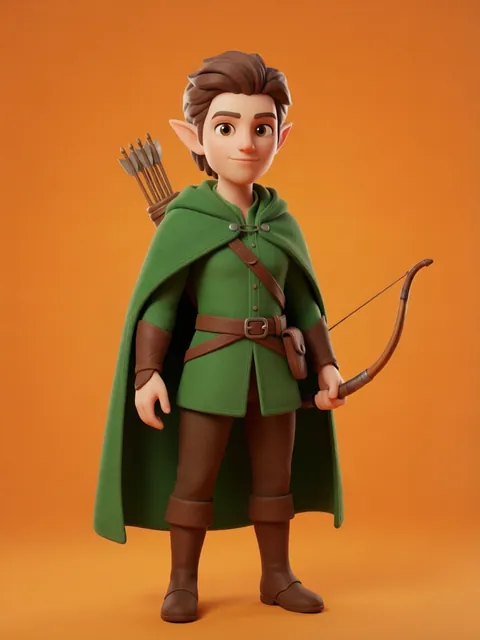
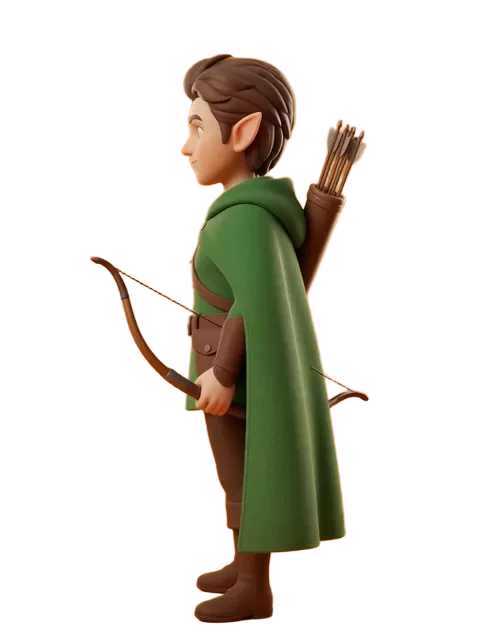
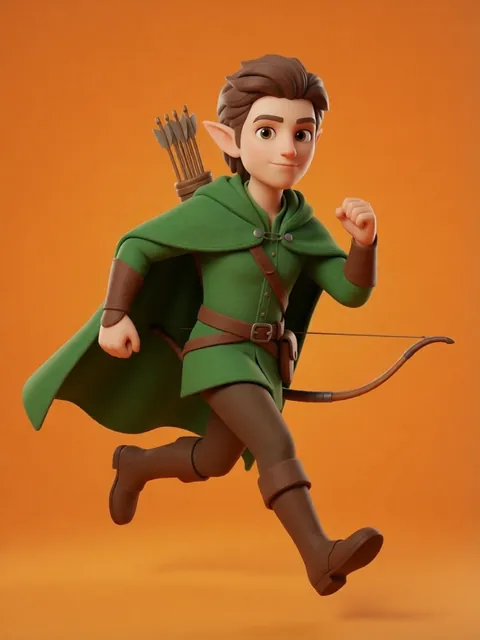

- 01
Design Your D&D Character by Race and Class
Start with a detailed character prompt that combines race, class, and visual personality. Specify physical traits like "half-elf rogue with salt-and-pepper hair, leather armor patched at the elbow, a locket worn under the collar." For watercolor, include texture keywords: cold-press paper, granulating pigments, wet-on-wet washes, dry-brush highlights. The more specific your visual description, the more consistent your character will read across all 8 angles.
- 02
Generate 8-Angle Watercolor Reference Sheet
Use multi-angle generation to produce front, front-right, right, back-right, back, back-left, left, and front-left views. For watercolor, set style parameters to "watercolor on cold-press paper, soft edges, pigment granulation, visible paper texture, wet-on-wet blending, limited palette, Payne’s Gray shadows." Verify that the character’s defining features — scar placement, cloak clasp, weapon hilt — remain consistent across angles despite the organic wash technique.
- 03
Create Character Sheet Portrait Slot at 2.5x3.5 Inches
Extract the front-view portrait and crop to 2.5x3.5 inches at 300dpi — the standard character sheet portrait slot size. Adjust the crop to a head-and-shoulders framing with 10% padding. Ensure the watercolor washes read at this small scale by boosting contrast slightly while preserving the granulated pigment texture. This portrait goes in the top-right corner of most D&D Beyond and custom character sheets.
- 04
Create VTT Token with Circular Crop and Transparency Ring
Crop the front view to a 280x280px square, then apply a circular mask for your VTT token. Add a 2px transparency ring (alpha gradient) around the edge so the token doesn’t hard-clip against battle maps. Test readability at 50% zoom — watercolor can get muddy at small sizes, so boost edge definition by 10-15% for token use. Export as PNG with transparency for Roll20, Foundry, or Owlbear Rodeo.
- 05
Export Full Watercolor Character Card at 300dpi
Assemble the full 5x7-inch character card at 300dpi: large central portrait (front view), eight thumbnail angle references arranged in a ring, character name and class in a serif font matching the watercolor aesthetic, and a subtle cold-press paper texture overlay. Export as PNG for digital use or TIFF for print. The card should feel like a commissioned artist’s portfolio piece — the watercolor washes, not sharp digital lines, should define the form.
- Specify "cold-press" or "rough" paper texture in your prompts — hot-press reads too smooth for fantasy watercolor
- Limit your palette to 4-5 pigments in the prompt to maintain color harmony across all 8 angles
- VTT tokens benefit from slightly higher contrast than the full portrait — create a separate token pass
- Watercolor granulation is your friend for leather, stone, and aged skin textures
- Use "reserve white of paper" in prompts for highlights rather than opaque white paint
- The 5x7in character card should include a 0.125in bleed for print trimming
- Cite a specific watercolor artist as style reference for consistent results across generations
- Test VTT token readability on a dark battle map background before finalizing
Frequently asked questions
Why watercolor for D&D character art instead of digital painting?
What resolution do I need for a VTT token?
Can I use watercolor character art for commercial D&D content?
How does the free tier handle watercolor character generation?
Ready to create consistent character views?
Upload a reference image and generate multi-angle views that stay true to your character.
Start generating