
Create Comic Character Art in Watercolor Storybook Style
Watercolor comics occupy a rare space between sequential art and fine art illustration — the pigment blooms and washes that define each panel feel more like gallery pieces than mass-produced pages. For graphic novel memoirists, indie comic artists, and literary comics creators, watercolor brings an emotional texture that flat digital coloring can’t touch: a rain scene rendered in wet-on-wet Payne’s Gray, a blush that bleeds beyond its ink boundary, a background that fades into paper white instead of a hard panel edge. The technical challenge is making those organic, unpredictable washes read consistently across panels and pages — a character whose watercolor skin tone shifts from panel to panel breaks reader immersion. This guide covers creating an 8-angle watercolor character reference, testing readability at comic panel dimensions, building a watercolor texture guide for colorists, and exporting at comic print resolution for offset or digital-first publication. <strong>Answer: Use multi-angle AI generation with watercolor storybook style prompts to produce soft-edged, granulating-pigment comic characters with consistent washes across 8 angles, panel-readability testing at 3-4 inch widths, and export at 6.625x10.25-inch trim at 400dpi for comic print production.</strong>
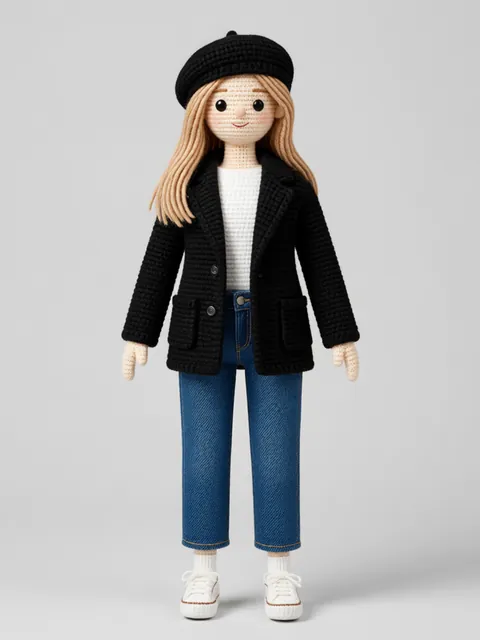
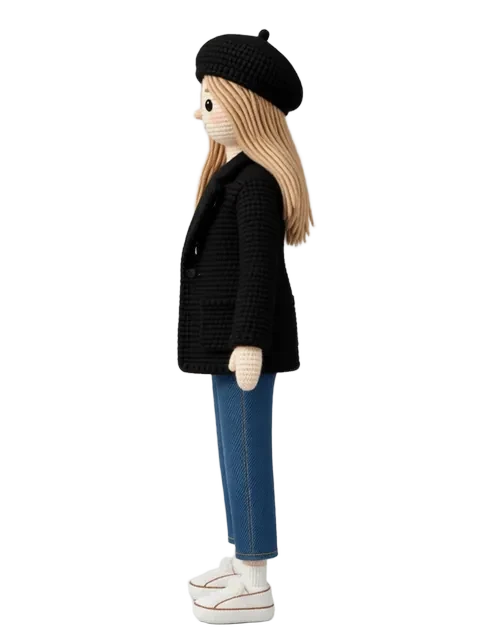
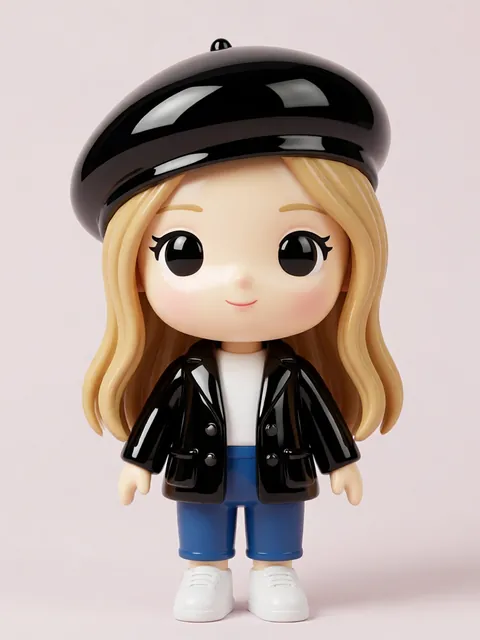
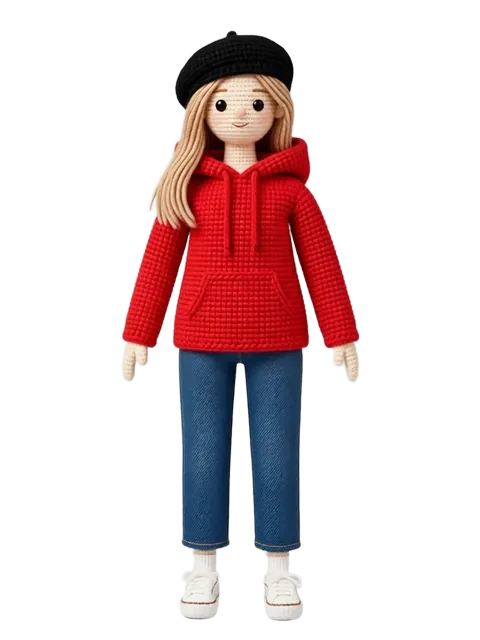
- 01
Design Comic Character with Watercolor-Friendly Features
Watercolor rewards soft edges and punishes fine detail. Design your comic character with: broad color areas that let washes bloom, hair shapes defined by value contrast not individual strokes, clothing with simple folds that granulating pigments can suggest rather than render, and a face with clear features at 3-4 inch panel size. Avoid: thin line work (watercolor bleeds across it), complex patterns (they’ll muddy), and high-contrast edges (they fight the watercolor aesthetic). Include a "wash map" — notes on where wet-on-wet, wet-on-dry, dry brush, and salt-texture effects should appear on the character.
- 02
Generate 8-Angle Watercolor Reference
Generate front, front-right, right, back-right, back, back-left, left, and front-left views with watercolor storybook parameters: "cold-press paper texture, granulating pigments (ultramarine, burnt sienna, quinacridone gold), wet-on-wet atmospheric washes, dry-brush texture on hair, soft lost-and-found edges, paper-white highlights (no opaque white), visible pencil underdrawing at 10% opacity." Verify that pigment granulation patterns and wash boundaries are consistent enough across angles that the character reads as the same person, not a series of similar watercolor studies.
- 03
Test Readability at 3-4 Inch Comic Panel Width
Comic panels are small — a standard 6.625x10.25-inch comic page packs 4-8 panels, making each panel roughly 3-4 inches wide. Downscale each of your 8 angles to 3 inches wide at 400dpi and check: can you identify the character? Do facial expressions read? Does the watercolor wash resolve into a recognizable form or muddy into abstraction? Adjust prompts to increase facial contrast and simplify wash patterns if readability fails at panel size. Watercolor’s strength — atmospheric softness — is also its comic-reading weakness at small scales.
- 04
Create Watercolor Texture Guide for Comic Colorist
If you’re working with a colorist (or coloring your own pages), create a watercolor texture reference guide. Include: swatches of each pigment’s granulation pattern at 100% scale, a wash-layering guide (what happens when burnt sienna wet-on-wet overlaps Payne’s Gray), dry-brush texture samples, salt-effect samples, and a "color recipe" card with mixing ratios for the character’s skin tone, hair color, and signature clothing color. This guide ensures color consistency across issues, even if different colorists handle different pages.
- 05
Export at Comic Print Resolution 6.625x10.25 Inches at 400dpi
Export final character art at standard comic trim size: 6.625x10.25 inches (with 0.125-inch bleed = 6.875x10.5 inches) at 400dpi. Comics are typically printed at 400dpi (higher than standard 300dpi) to preserve line art crispness on coated paper stock. Export as CMYK TIFF files with the watercolor layer separate from inks. Include a "print proof" version with an ICC color profile for your printer and a "digital" version in sRGB for web previews and digital comic platforms like ComiXology.
- Watercolor comics print best on uncoated or matte-coated paper — specify paper stock in your export notes for the printer
- Granulating pigments (ultramarine, cerulean, raw umber) create texture automatically — lean on them for backgrounds and clothing
- Leave 10-15% of the character as "paper white" — negative space reads as intentional watercolor restraint, not unfinished art
- The 400dpi resolution is critical for preserving watercolor texture in print — 300dpi loses granulation detail on press
- Test each angle at 3-inch width on a phone screen — this simulates how readers on Webtoon/ComiXology will see it
- Create a "fog test" — squint at your character from 3 feet away; if it reads as a person not a blob, your values are right
- Watercolor texture guides should be physical-size printouts, not just screen references — pigment looks different on paper
- For digital-first comics, export an additional sRGB set at 1920px wide for high-DPI web reading
Frequently asked questions
Why watercolor for comics instead of standard digital coloring?
How do I keep watercolor characters consistent across comic pages?
What paper stock works best for watercolor comics?
Can I test watercolor comic character generation on the free tier?
Ready to create consistent character views?
Upload a reference image and generate multi-angle views that stay true to your character.
Start generating