
Create Children’s Book Character Art in Pixar 3D Style
Pixar’s character design language has defined what children’s book illustration looks like in the 21st century — soft rounded forms, exaggerated proportions, subsurface-scattered skin, and expressions that telegraph emotion from across a room. For picture book creators, translating that 3D animation aesthetic to print illustration means capturing the appeal principles that make characters feel huggable: 2-3 head-to-body ratios, oversized eyes with specular highlights, clothing that wrinkles like clay not fabric, and ambient occlusion that grounds characters in their environment. Consistency is the silent challenge — a character at a 3/4 turn on page 4 must match the front view on page 1, or children (your most honest critics) will notice. This guide covers generating an 8-angle Pixar-style reference for picture book characters, verifying signature Pixar material details, creating exaggerated expression sheets, and exporting at 20x10-inch spread dimensions for CMYK print production. <strong>Answer: Use multi-angle AI generation with Pixar-style 3D prompts to produce soft-rounded, subsurface-scattered children’s book characters with 8 consistent angles, exaggerated expression sheets, and print-ready exports at 20x10-inch spread 300dpi CMYK.</strong>
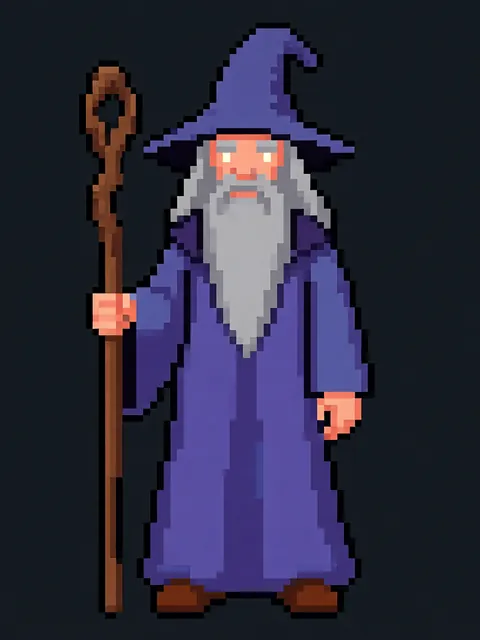
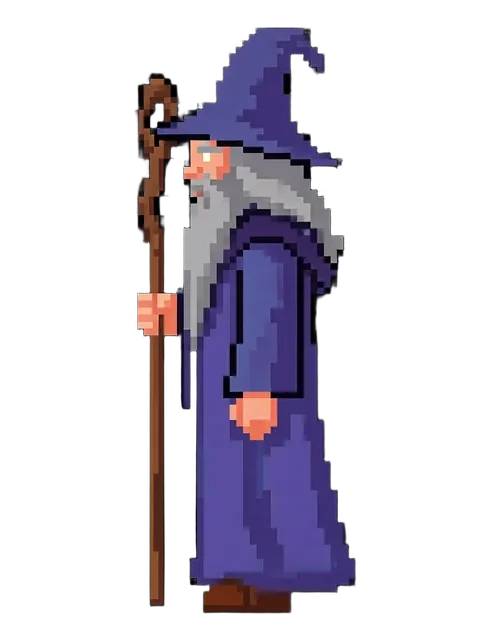
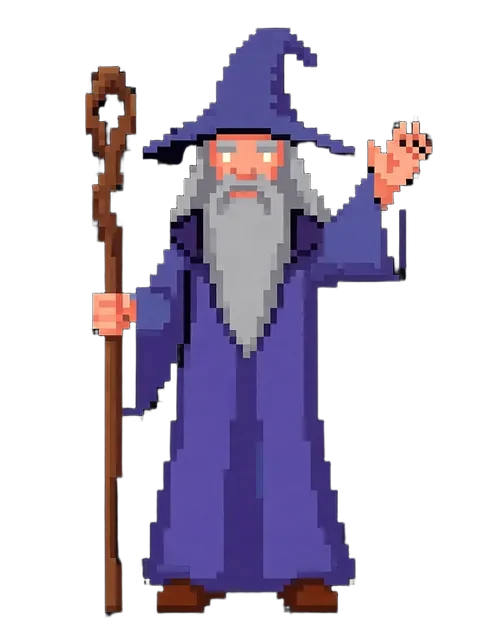
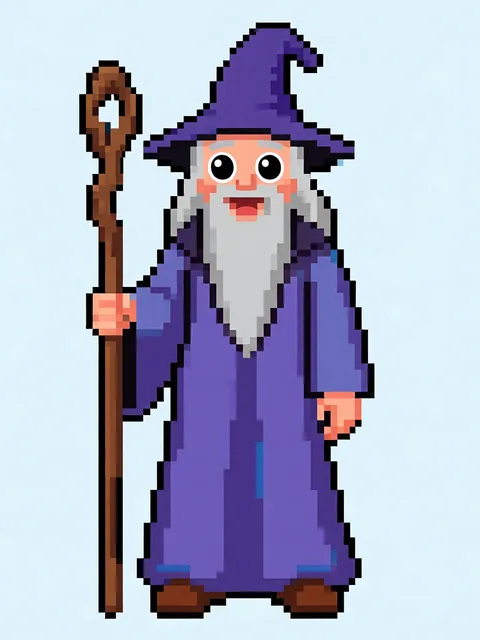
- 01
Design Character with Pixar Appeal Principles
Pixar characters follow specific appeal rules: 2-3 head-to-body ratio for child/cute characters, rounded forms with no sharp angles, oversized facial features (eyes 30-40% of face width), and asymmetrical details that make them feel specific (a crooked smile, one ear slightly larger, a cowlick). Define your character with these parameters plus a Pixar-style material description: "subsurface-scattered skin with warm undertones, specular eye highlights with Fresnel falloff, ambient occlusion in clothing folds, rim light with soft penumbra."
- 02
Generate 8-Angle 3D-Rendered Reference
Generate front, front-right, right, back-right, back, back-left, left, and front-left views in Pixar 3D style. Consistency demands: the character’s proportions (head-to-body ratio, limb thickness, hand size relative to head) must be identical across all 8 angles. The subsurface scattering on ears and nose should be visible from every angle where those features face the light source. Verify that the specular highlight shape on the eyes remains circular (not elliptical) across angles — this is a key Pixar signature.
- 03
Verify Pixar Signature Details Across Angles
Run a detail checklist against every angle: (1) Subsurface scattering visible on ear rims and nostril edges, (2) Specular eye highlights are crisp white circles with soft falloff, (3) Ambient occlusion present in armpits, under collar, between fingers, (4) Rim light separates character silhouette from background, (5) Clothing folds look like sculpted clay, not fabric draping, (6) No sharp polygon edges or hard normals — everything reads as smooth rounded geometry. Any angle that fails a check needs regeneration with adjusted material prompts.
- 04
Create 8-Expression Sheet with Exaggerated Pixar Expressions
Pixar expressions live in the extremes. Design 8 expressions using Pixar’s squash-and-stretch philosophy applied to facial features: neutral, joy (eyes closed-arc, wide open mouth, raised cheeks), surprise (eyes maximally wide, eyebrows at top of forehead, O-mouth), anger (brows sharply angled, clenched square mouth, flared nostrils), sadness (drooped everything — brows, mouth corners, eyelids), fear (eyes wide but brows up in center, mouth pulled wide), disgust (scrunched nose, tongue slightly out, one eye squinting), and mischief (asymmetric smirk, one brow raised, sidelong glance). Each should feel like a single animation keyframe.
- 05
Export at 20x10-Inch Spread 300dpi CMYK for Print
Export your character art at picture book production specs: 20x10-inch double-page spread at 300dpi, CMYK color space (not RGB), with 0.125-inch bleed on all edges. Convert Pixar-style RGB lighting effects to CMYK-safe values before export — fluorescent rim lights and saturated specular highlights often fall outside the CMYK gamut and will print dull. Include a soft-proof layer showing how colors shift from screen to print. Package as layered TIFF files with the character on a separate layer from backgrounds for the book designer.
- The 2-3 head-to-body ratio is non-negotiable for Pixar-style appeal — taller proportions read as "Disney," not "Pixar"
- Subsurface scattering should be warm (red/orange) on skin and cooler (blue) on cartilage like ears
- Specular highlights on eyes must be circular, not lens-flare streaks — this is the #1 Pixar signature detail
- Test your character at thumbnail size (2 inches tall) — Pixar designs read clearly even when tiny
- CMYK conversion dulls bright rim lights — pre-adjust by desaturating blues and boosting warmth before export
- Include a "material callout" sheet labeling each surface type (skin, cloth, metal, glass) with render settings for future books
- The expression sheet should use a 4x2 grid with equal spacing and a neutral expression in position (1,1) as reference
- Picture book gutters (center fold) lose ~0.5 inches — keep the character’s face out of the gutter zone in spread compositions
Frequently asked questions
Can I use Pixar-style character art in a published children’s book?
Why CMYK instead of RGB for children’s book art?
What size should children’s book character art be?
Does the free tier support Pixar-style 3D character generation?
Ready to create consistent character views?
Upload a reference image and generate multi-angle views that stay true to your character.
Start generating