
Create Character Art for Comics in Cel-Shaded Style
Comic artists need reference sheets where the ink line and shadow breakpoints match across every angle — if the jaw shadow falls at 45 degrees from front view, it must fall at the same light angle from three-quarter. Cel shading is the easiest style to enforce this consistency because shadow edges are absolute, not gradient. Answer: Upload your character design with flat colors and clean ink lines already in place, then generate an 8-angle cel-shaded sheet with "cel shading, hard shadow edges, 2-tone lighting, clean ink lines, flat color fills, no gradients" in the prompt. Verify that ink line weight is consistent angle-to-angle (the jaw line should be the same pixel width from front and side) and that shadow edges break at the same plane regardless of viewing angle. Export per-angle as separate reference layers for panel-by-panel drawing.
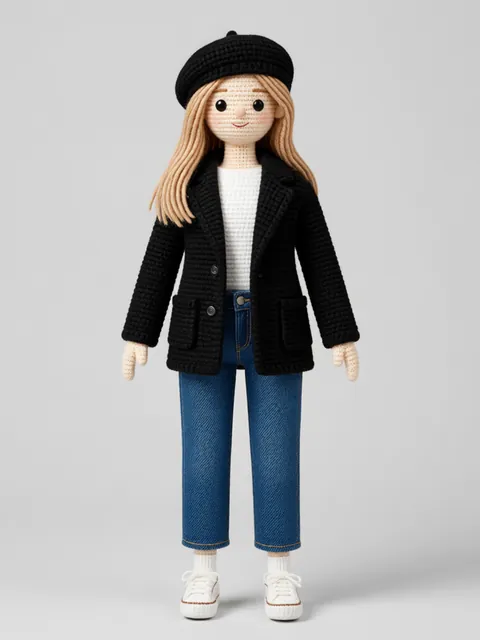
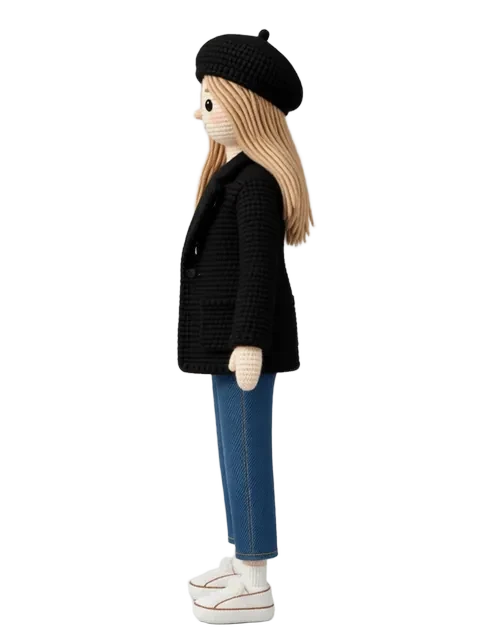

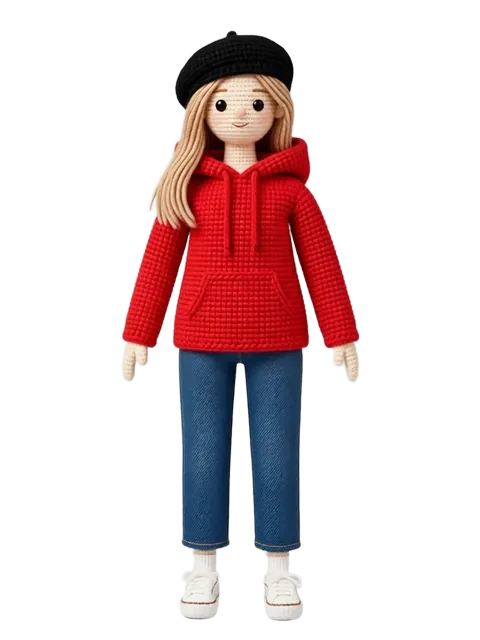
- 01
Upload your character design with flat colors
Provide a clean front view with finished ink lines and flat color fills. Cel-shaded AI generation works best from a design that already separates line from color — the model extends your ink style across angles rather than inventing one.
- 02
Generate cel-shaded 8-angle sheet
Prompt with "cel shading, hard shadow edges, 2-tone lighting, clean ink lines, flat color fills, no gradients, comic book style." Set reference strength to 0.75 to preserve ink line character while letting the model build shadow breaks at new angles.
- 03
Verify ink line consistency across angles
Zoom to 200% and compare the ink line weight on the jaw, nose bridge, and collarbone across all 8 angles. If the side-view jaw line is 2px thicker than the front-view, regenerate that angle with "consistent ink line weight" added to the prompt.
- 04
Match to your comic page color palette
Sample the flat color areas (skin, hair, costume) and verify they match your comic page palette. Cel shading means the shadow tone is a fixed darker value of the flat — if your comic uses #2b1e14 as skin shadow, paste that hex into the prompt as "skin shadow: #2b1e14."
- 05
Export per-angle for panel-by-panel reference
Slice the sheet into individual angle PNGs. In Clip Studio Paint, load each as a separate reference layer in the sub-view palette. Toggle between angles with one click while drawing panels — this is faster than scrolling a combined sheet.
- Two-tone lighting is the cel-shading standard — one shadow color per flat color zone, no mid-tones, no gradients
- Ink line weight must survive the generation: check at 200% zoom and reject any angle where lines thin out or fatten up
- Your shadow break angle (e.g., 45 degrees from top-left) must be stated in the prompt or the AI will invent a different light source per angle
- If your comic uses color holds (ink lines that are not black), specify them in the prompt — "color hold ink on hair edges" — or the AI defaults to black ink everywhere
- Flat color fills must not have gradient spill — check the skin-cheek area especially, where AI models tend to add rogue blush gradients
- Export a "shadows-only" layer (original flats minus shadow areas) as a separate reference for inking shadow breaks in panels
- Generate one extra "action angle" (dynamic 45-degree up-shot) for fight scenes — the static turnaround misses the angles you need most in action comics
- If your comic uses hatching instead of flat shadows, switch to "cross-hatch shading, pen-and-ink" in the prompt rather than forcing cel-shading to approximate hatching
Frequently asked questions
How do I keep shadow edges consistent across all 8 cel-shaded angles?
Can I use gradients in cel-shaded comic reference sheets?
What ink line weight should I use for comic reference sheets?
Should I include color holds in my cel-shaded reference?
Ready to create consistent character views?
Upload a reference image and generate multi-angle views that stay true to your character.
Start generating