
Generate Disney Classic-Style Multi-Angle Views
Disney classic style — the 2D hand-drawn aesthetic of The Little Mermaid, Beauty and the Beast, Aladdin, The Lion King — is defined by confident line work with weighted variation, watercolor and gouache-painted backgrounds, warm saturated color palettes, and characters with strong silhouette and exaggerated expression. AI multi-angle generation reproduces the surface aesthetic across 8 angles, useful for kidlit, animation pitch decks, and stylistic reference for 2D animators learning the Disney pipeline. Note: pure AI cannot replicate Disney's line-mileage discipline.
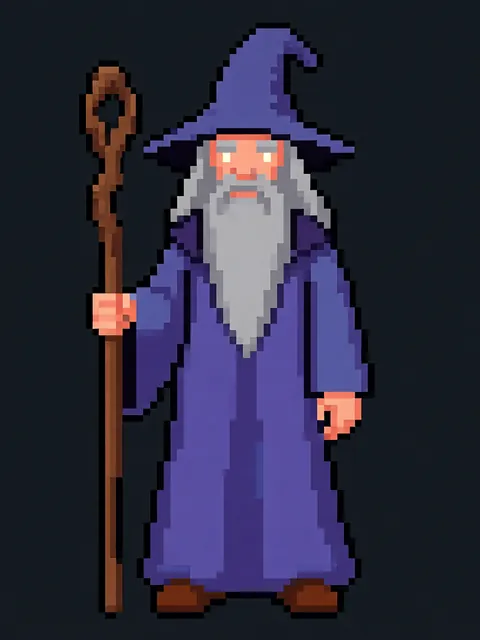
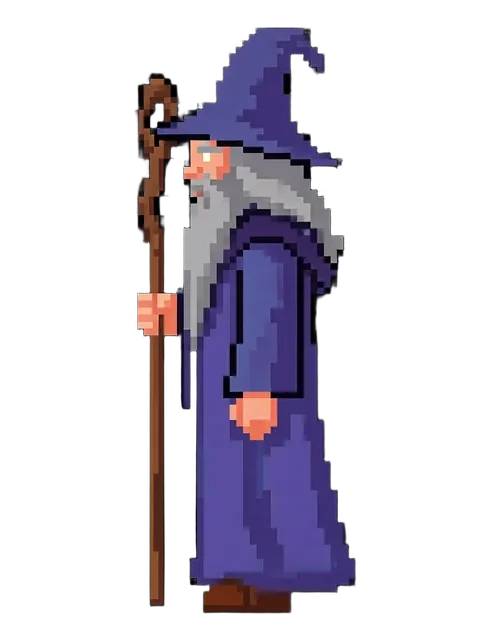
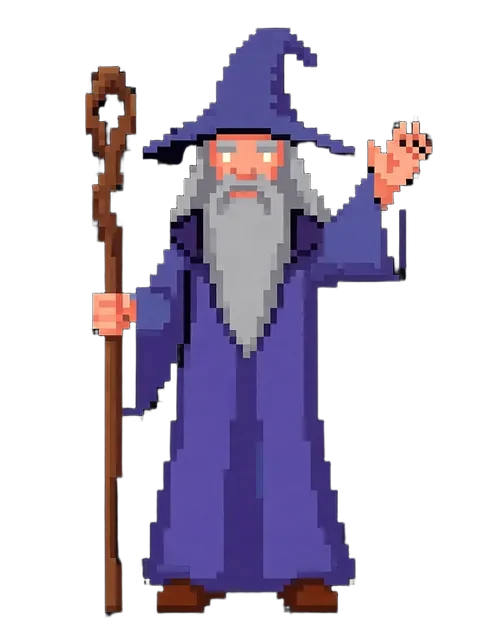
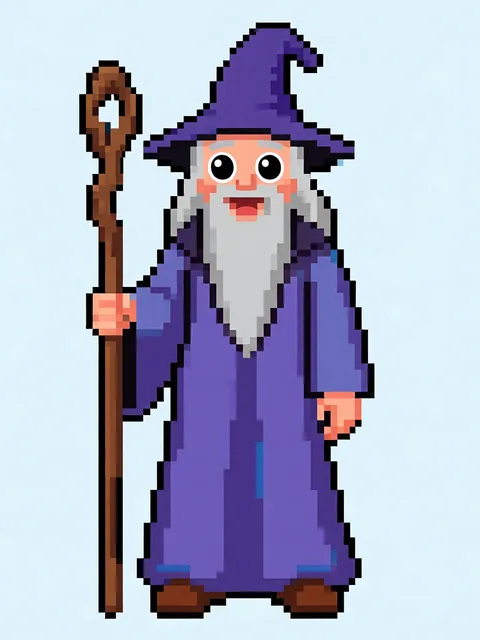
- 01
Pick the Disney era
Disney Classic (1940s Snow White, Pinocchio) = different from Renaissance (1989–1999 Little Mermaid, Lion King) = different from late-2D (2000s Mulan, Lilo & Stitch). Each era has distinct line, color, and proportion. Pick one and prompt explicitly: 'Disney Renaissance style, 1989–1999 era.'
- 02
Prompt for hand-drawn 2D, not 3D
Modern Disney is 3D (Frozen, Encanto). Classic is 2D. Prompt: 'Disney 2D hand-drawn animation, painted gouache background, confident line variation, Renaissance-era cel animation.'
- 03
Generate the 8-angle pack
Run the multi-angle generator at high reference strength. Disney character lock is tight in actual production — every cel of a 2D film is hand-drawn against the same model sheet.
- 04
Check line weight consistency
Disney line work has confident weight variation — heavy where shapes overlap, light where surfaces face the viewer. AI tends to flatten this. Check each of the 8 angles for line consistency and reroll if any feels mechanical.
- 05
Use for kidlit or pitch decks
Disney classic style works for kidlit, animation pitch decks, and stylistic references for 2D animators. For broadcast or theatrical animation, the AI multi-angle reference is the starting point — character designers redraw cleanly before passing to lead animators.
- Disney 2D style is hand-drawn — prompt explicitly to avoid 3D-render-style output. 'Pencil line work' or 'cel animation line' produces cleaner 2D results.
- Watercolor or gouache backgrounds are 30% of Disney identity — generate the character on a painted background, not flat color, for authentic Disney feel.
- Renaissance-era Disney uses warm saturated palettes (golds, reds, deep blues) — explicitly prompt these to avoid muted modern color grading.
- Disney characters have distinct silhouettes per character — your hero must read silhouette-first across all 8 angles. Test by rendering as black silhouette only.
- For commercial work, prompt "1990s 2D Disney-inspired" rather than "Disney style" — Disney aggressively enforces IP and brand identity.
- Honest framing: AI produces Disney-adjacent output but cannot replicate Disney's in-house line-mileage discipline. Hand-cleanup by a 2D animator is required for any animation production use.
- Generate at full resolution (~1MP, every tier) — Disney line weight variation falls apart below 1024px and looks like generic anime.
Frequently asked questions
What’s the difference between Disney classic and Disney modern styles?
Can I commercially use Disney classic-style AI art?
How does AI handle line-weight variation in Disney classic style?
Is Disney classic style good for childrens books?
Ready to create consistent character views?
Upload a reference image and generate multi-angle views that stay true to your character.
Start generating