
Generate Claymation-Style Multi-Angle Views
Claymation style — Aardman (Wallace and Gromit, Chicken Run), Laika (Coraline, Kubo) — is defined by visible Plasticine clay texture, fingerprint detail on surfaces, slight asymmetry from hand-sculpting, and warm tungsten-leaning lighting that mimics studio film stage rigs. AI multi-angle generation reproduces the surface claymation aesthetic across 8 angles for stop-motion pre-vis, animation pitch decks, kidlit, and editorial illustration. Output is reference-quality; production claymation requires actual physical puppets and frame-by-frame photography.
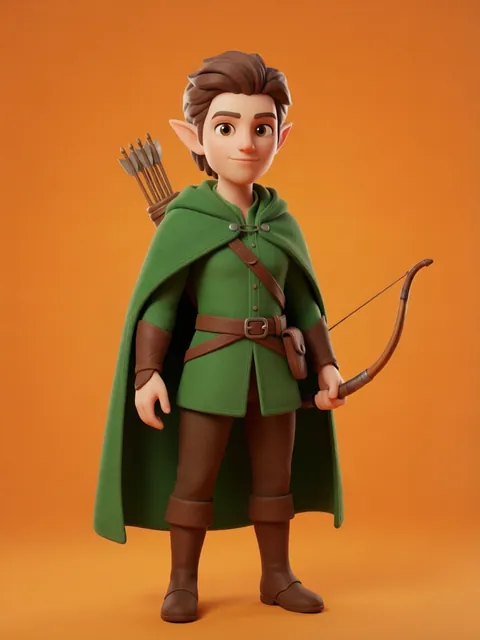
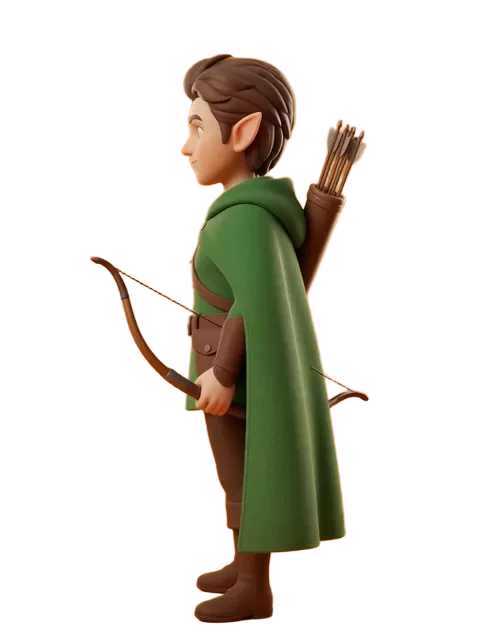
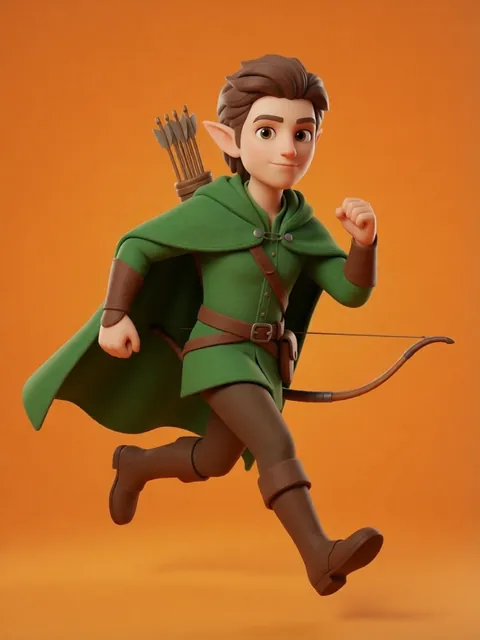
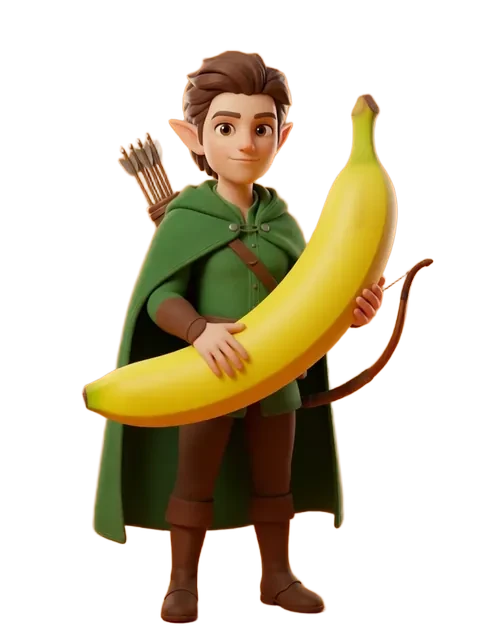
- 01
Pick the claymation tradition
Aardman style (Wallace and Gromit) — friendly British, exaggerated mouths, slightly off-kilter eyes, warm earthy palette. Laika style (Coraline) — darker, more refined, gothic palette, glass-eye realism. Decide and prompt the specific studio aesthetic.
- 02
Prompt for Plasticine clay texture
Use "claymation, Aardman style, Plasticine clay texture, visible fingerprints in clay, slight asymmetry, hand-sculpted character, warm tungsten studio lighting." Negate "smooth digital surface, cel-shaded, photorealistic skin."
- 03
Generate the 8-angle pack
Run the multi-angle generator at high reference strength (90–100%). Claymation tolerates some cross-angle variance because real clay puppets have slight asymmetry by nature, but the character identity must lock.
- 04
Verify clay texture across angles
Claymation identity lives in surface texture — fingerprints, sculpting marks, slight surface unevenness. If angle 1 shows clay texture and angle 5 looks smooth-CG, the style collapses. Prompt "visible Plasticine surface texture" on every angle.
- 05
Use for pre-vis or pitch decks
Claymation AI output is ready for animation pre-vis, pitch decks, kidlit, editorial. For actual stop-motion production, the multi-angle reference becomes the puppet sculpt brief; physical puppets are then sculpted from the reference and shot frame-by-frame.
- Aardman characters have asymmetric mouths and eyes — that asymmetry is a signature, not an error. Prompt 'slight intentional asymmetry, hand-sculpted character' to capture it.
- Tungsten studio lighting (warm, slightly orange) is the canonical claymation light — most AI defaults to neutral or cool light; explicitly prompt 'tungsten warm 3200K studio lighting' for authentic feel.
- Plasticine has a slight sheen — not full plastic gloss, not matte. Prompt 'soft satin sheen on clay surface' for the correct material read.
- For Aardman style, faces have wide mouths and small wide-set eyes — explicitly include these proportions in the prompt or the AI defaults to generic cartoon face.
- Claymation works exceptionally well for kidlit and editorial because the handcrafted feel reads as warm and authentic, opposite to the slick AI aesthetic many readers are tired of in 2026.
- Generate at full resolution (~1MP, every tier) — clay surface texture and fingerprint detail need pixel density to read authentic.
- Honest framing: AI claymation is reference quality, not production-stop-motion. Real Aardman puppets are sculpted by hand and shot at 24fps over months; AI gets the look in seconds for pre-vis use.
Frequently asked questions
What’s the difference between Aardman and Laika claymation styles?
Can AI-generated claymation be used for actual stop-motion films?
How do I get authentic clay texture in AI claymation output?
Is claymation style good for childrens book covers?
Ready to create consistent character views?
Upload a reference image and generate multi-angle views that stay true to your character.
Start generating