
Create Character Art for Album Covers
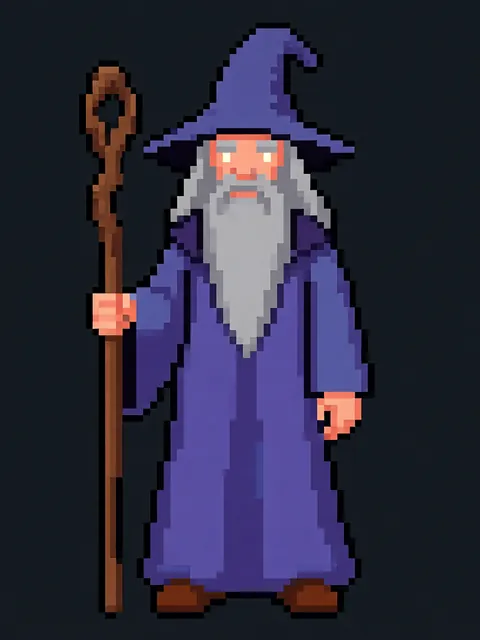
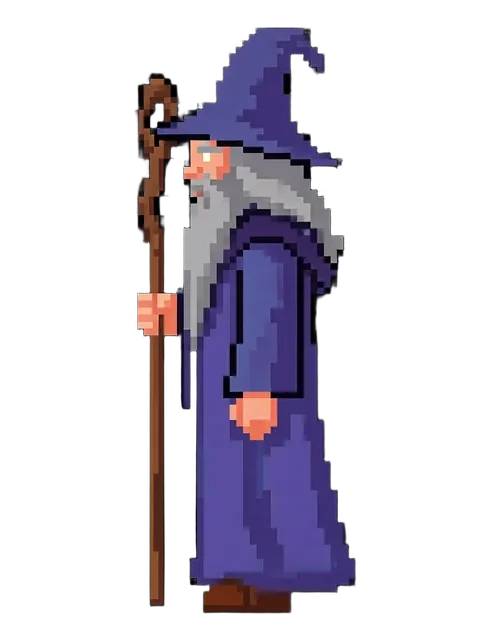
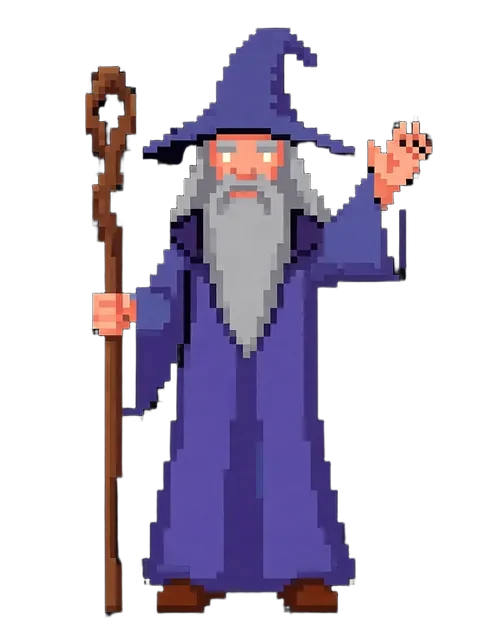
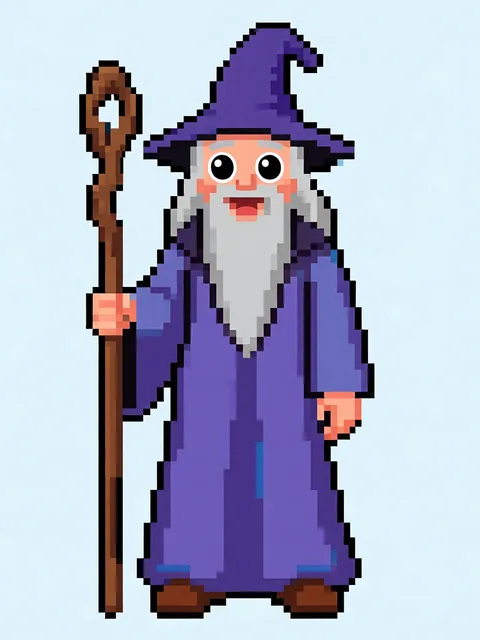
Album covers are square, dense, and read at 64×64px in most streaming apps. The cover does heavy lifting — it has to communicate genre, mood, and artist identity at thumbnail size. Character-driven covers (Tyler the Creator, Gorillaz, MF DOOM) work because a stylized figure reads where a photograph blurs. Generate the cover hero, then reuse the multi-angle reference for single covers, merch, music video keyframes, and tour posters — one AI session of 8 angles seeds an entire album cycle of visuals.
- 01
Match style to genre
Hyperpop = neon glitch. Soul = warm grain. Metal = high-contrast black/red. Indie folk = watercolor or crayon. Define the style explicitly in your prompt rather than letting the AI default to generic 'album cover' aesthetic, which produces forgettable results.
- 02
Render the hero pose at maximum resolution
Spotify and Apple Music both want 3000×3000px minimum. Run the AI at the highest paid-tier output (~1MP on EZ Character, on every tier), upscale to 3000×3000, and finish typography in vector. Never upscale the AI output by more than 2x without an upscaler in between.
- 03
Reserve typography space
Title and artist name will overlay the artwork. Generate the character offset to one side (left third or bottom) so type has its own real estate. Centered hero compositions fight the title and lose.
- 04
Generate the multi-angle pack for single covers
Each single, lyric video, and music video keyframe can pull from the same multi-angle source — different poses of the same character. Roll-out releases over 6 months stay visually coherent without re-generating per drop.
- 05
Export for merch and physical pressings
CD: 4.7×4.7" at 300 DPI = 1417×1417px. Vinyl gatefold: 12.375×12.375" at 300 DPI = 3713×3713px. T-shirt print: ≥4500px on the long side. Always render at the highest AI resolution and upscale via dedicated tool (Topaz, Magnific) rather than relying on AI re-rolls.
- Test the cover at 64×64px in Spotify and Apple Music thumbnail simulators — most album covers fail at thumbnail size because they lack high-contrast silhouette.
- Avoid generic "trending on artstation" prompts — produces forgettable AI-look covers that all blur together in genre playlists.
- Generate with high-contrast lighting (one hard key light, deep shadow) — flat-lit covers disappear in Spotify dark mode.
- For tour merch reuse, generate at full resolution (~1MP) and upscale; a printed XL t-shirt graphic at 11×14" needs 3300×4200px at 300 DPI.
- Vinyl gatefolds are 24" wide spread — needs a 7200px master; build from multi-angle source so left panel and right panel show different angles of the same character.
- Honest framing: streaming algorithms favor recently-updated covers slightly — refresh deluxe editions and anniversary releases with a new pose from the same multi-angle set.
- For labels submitting to the Grammy Award for Best Recording Package, fully-AI artwork has been flagged by jurors since 2025 — hybrid pipelines (AI reference, human finish) clear that bar.
Frequently asked questions
What size should an album cover be for streaming?
Can I reuse one AI character across an album, singles, and merch?
Is AI-generated album art accepted by streaming platforms?
How do I prevent my AI album cover from looking generic?
Ready to create consistent character views?
Upload a reference image and generate multi-angle views that stay true to your character.
Start generating