
Create Character Art for Podcast Covers
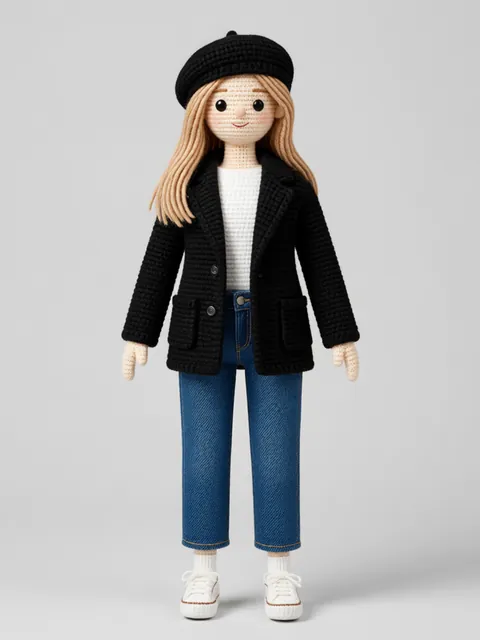
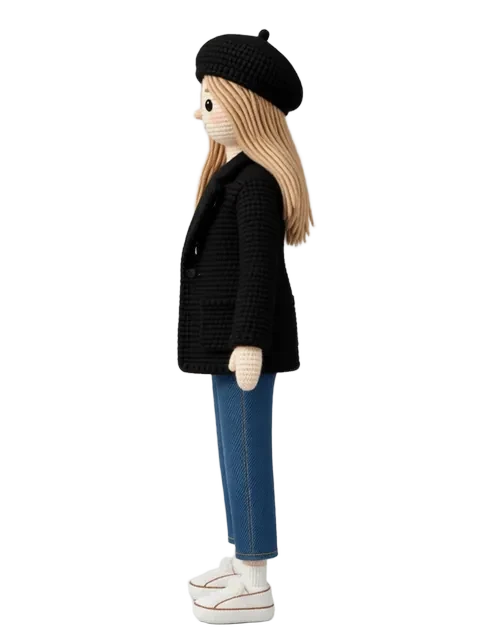
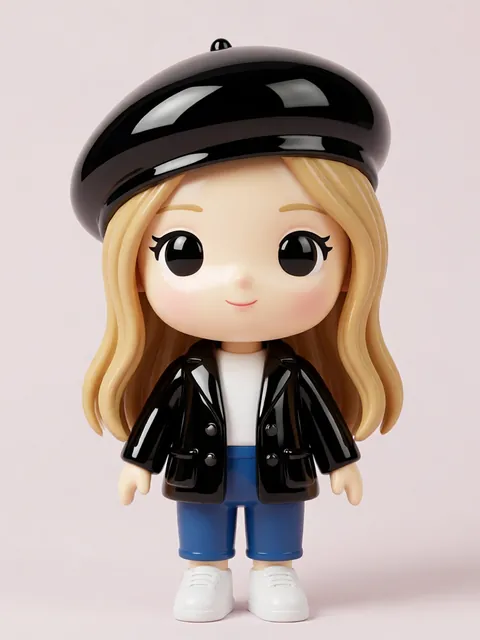
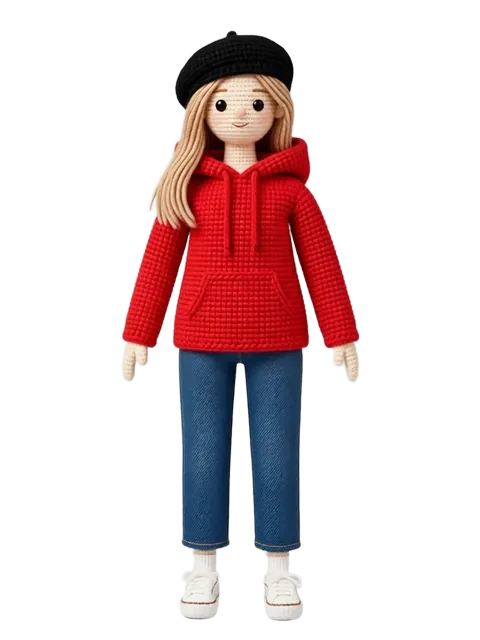
Podcast covers are square (3000×3000px), thumb-sized in most listening environments, and brutally competitive — your show fights 4 million others for a tap. Character-driven covers (think Conan, Smartless, Distractible) outperform photo covers in cold discovery because a stylized character reads at 64×64px on a phone home screen where a face does not. Generate a 3-quarter hero pose, crop to square, and re-use the multi-angle source for per-episode thumbnails so your branding stays cohesive across 100+ episodes.
- 01
Lock the show identity first
What does the cover need to communicate at 64×64px? Genre (true crime, comedy, business), host vibe (smart, chaotic, calm), and tone (dark, warm, neon). Decide before prompting — character + style is a one-shot decision; you do not want to rebrand at episode 30.
- 02
Generate the hero three-quarter view
Apple Podcasts and Spotify display 1:1 thumbnails. Three-quarter view crops to square cleaner than profile or full-front. Run the multi-angle generator and pick the cleanest three-quarter from the 8 outputs.
- 03
Crop to 3000×3000 with breathing room
Apple requires 3000×3000 minimum. Leave 8–10% padding on every side — Spotify, Overcast, and Pocket Casts crop covers differently. Anything tight to the edge gets clipped on at least one client.
- 04
Stack title + character without overlap
Title typography is half the cover. Render the character against a flat color, then overlay the show name and tagline so they never compete. Title on top half, character on bottom half is the default Apple-Pocket-Casts-safe layout.
- 05
Bank episode thumbnails from the same character
Use the multi-angle pack to crop per-episode cover variants (different pose, same character, slightly different background tint per episode). Listeners scrolling your back catalog see a coherent brand instead of 100 unrelated thumbnails.
- Test the cover at 64×64px on your actual phone home screen before committing — most "great" covers fall apart at thumbnail size.
- High contrast wins on Spotify dark mode and Apple light mode — render the character against a saturated flat color, not a gradient.
- Avoid fine line work and small text on the cover — anti-aliasing on iOS at small sizes destroys both.
- Use the same character on social clips (Instagram Reels, TikTok podcast clips) — multi-platform consistency triples brand recognition.
- Spotify Wrapped-style end-of-year graphics need the character in a celebratory pose — generate that as part of your initial pose library.
- AI output is below Apple's 3000×3000 requirement and needs careful upscale; the safest path is to render the hero at full resolution and finish in vector or Procreate.
- Refresh the cover every 12–18 months — Apple algorithm gives a small visibility bump to recently-updated covers in the same category.
Frequently asked questions
What size should a podcast cover be?
Does a character cover perform better than a photo cover for podcasts?
How do I keep podcast cover branding consistent across episode thumbnails?
Can I use the same character for podcast cover and YouTube channel art?
Ready to create consistent character views?
Upload a reference image and generate multi-angle views that stay true to your character.
Start generating