
Generate a Character Pose Library from Reference
This is the lighter, faster cousin of building a pose library from a full model sheet: one reference image goes in, twenty to thirty poses come out. The trade-off is identity stability — a single reference has less anchor signal than a full 8-angle baseline, so drift across the library is higher. The workflow works for early-stage projects, illustrator pose source, and any case where you need a usable pose set fast without committing to a full model sheet first. Answer: Use one high-quality front three-quarter character reference, prompt twenty to thirty poses one at a time with explicit anatomical language, locked seed, and reference strength 0.75. Expect 70–80% usable yield (vs 90%+ from a full model sheet workflow). The single-reference workflow trades identity stability for speed.
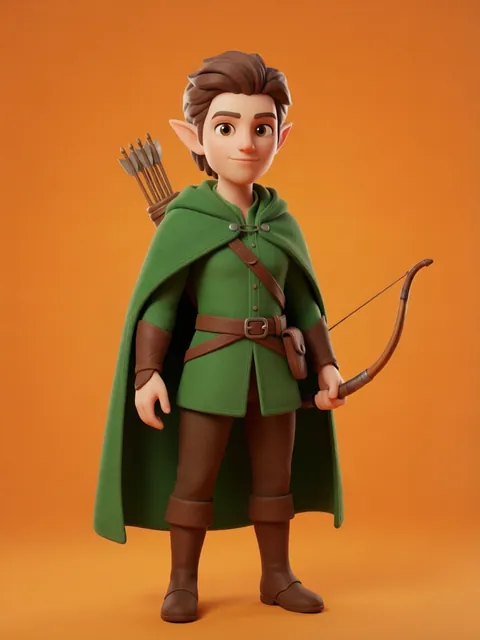
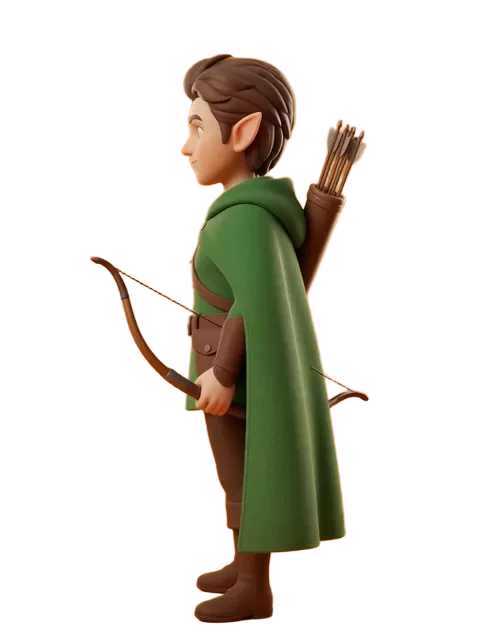
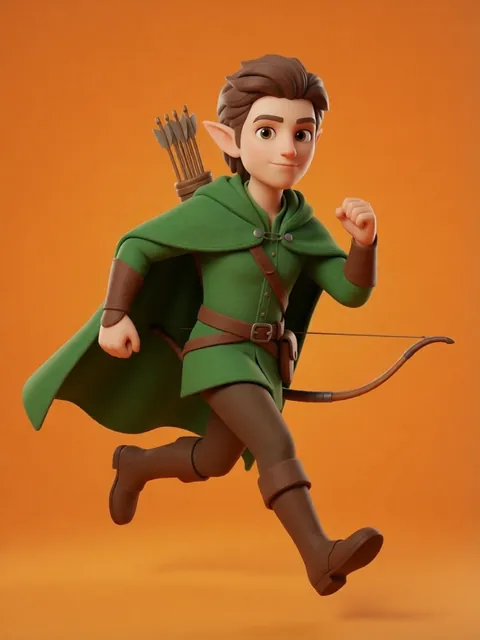
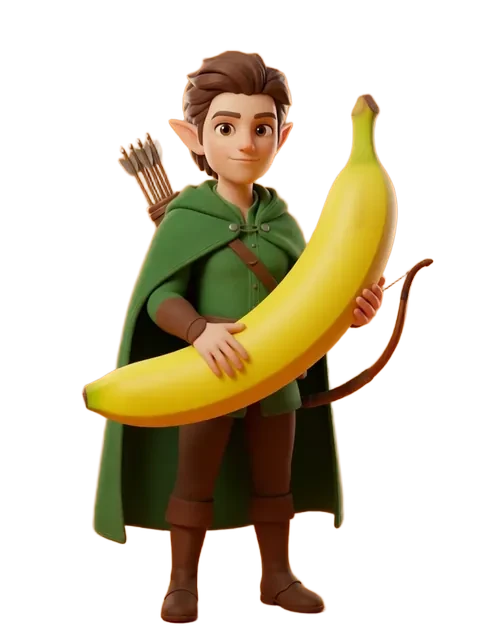
- 01
Pick the strongest single reference
High resolution, front three-quarter, even lighting, full body visible if possible. The model has only this image to anchor identity, so reference quality matters more than in a model sheet workflow.
- 02
List your poses in advance
Twenty to thirty poses with explicit body part language. "Sitting cross-legged, hands on knees, looking up" — not "sitting." A pose list before generation stops you from drifting into similar poses by accident.
- 03
Generate one pose per job
Locked seed, reference strength 0.75, single pose per prompt. Batching poses in one prompt averages them; per-pose jobs keep each generation clean.
- 04
Triage by identity drift
Lay outputs in a grid, mark which poses preserve identity (keep) and which drift to a different face (regenerate or discard). Expect 70–80% usable rate from a single reference.
- 05
Regenerate the misses with adjusted strength
Failed poses often recover with reference strength bumped to 0.8 or with explicit re-statement of hair / eye / outfit. If a pose fails three times in a row, the pose itself is the problem — pick a different one.
- A single reference gives 70–80% usable yield; a full model sheet workflow gives 90%+ — pick the trade-off knowingly
- High-resolution front three-quarter is the strongest single reference — full body if possible, head-and-shoulders fallback
- Reference strength 0.75 is the single-reference sweet spot; 0.85+ refuses to leave the reference pose, 0.65 drifts identity
- Anatomically specific prompts beat generic pose words 3:1 — "arm raised, palm out" beats "stop gesture"
- Combat and crouching poses fail most from a single reference; reserve those for a full model sheet workflow
- Single-reference workflows compound drift if you chain poses (pose 2 referencing pose 1) — always anchor back to the original
- For early concept work, single-reference pose libraries are perfect; for production animation, invest in the full model sheet first
- Identity drift is highest at extreme poses (full extension, contortion) — those are the misses; standing and sitting poses recover cleanly
Frequently asked questions
Can I build a full pose library from a single reference image?
What reference image works best for single-image pose generation?
Why do some poses fail to preserve the character's identity?
How does single-reference pose generation compare to model-sheet-based workflows?
Ready to create consistent character views?
Upload a reference image and generate multi-angle views that stay true to your character.
Start generating