
Generate Consistent AI Characters for Pinterest Story Pins
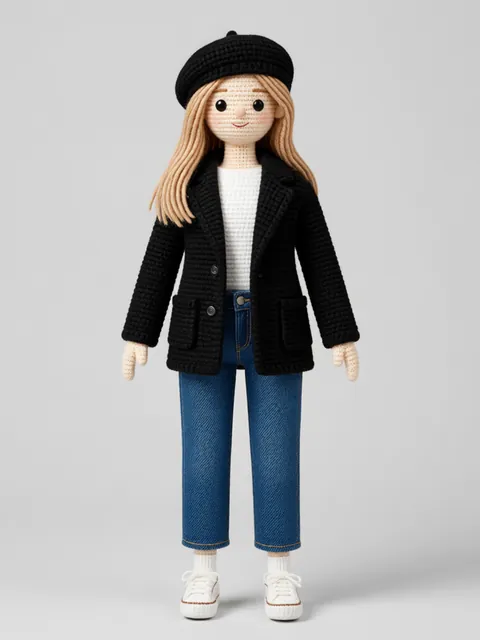
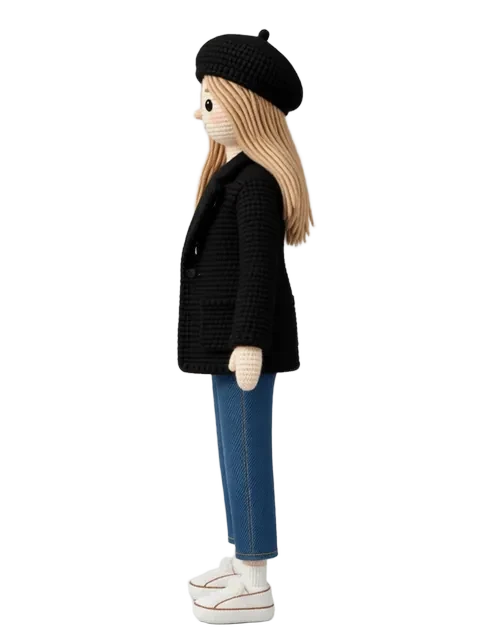
Pinterest Story Pins (also called Idea Pins) are multi-page, swipeable content formats — up to 20 pages per Pin — designed for step-by-step tutorials, recipes, and craft demonstrations. A consistent character that guides the viewer page-by-page increases completion rates and establishes a recognizable Pinterest presence. Watercolor-style characters perform especially well on Pinterest, where the audience expects a warm, handcrafted aesthetic. Answer: Generate a watercolor-style character reference sheet in EZ Character using the Watercolor style preset. Export front and 3/4 front views as transparent PNGs at 1080x1920px for Story Pins and at 1000x1500px for standard Pins (the two most-used Pinterest image formats). Import into Canva or directly into the Pinterest app. Place the character on page 1 (hook), the midpoint step, and the final result page. Use Pinterest SEO best practices: keyword-rich Pin titles, detailed alt text, and board organization around your character's content niche. The reference sheet means every Pin in your series features the same recognizable guide character — your craft tutorials, recipes, or DIY guides build a visual brand on the platform.
- 01
Generate the watercolor character reference sheet
Upload your character description to EZ Character. Select the Watercolor style preset for warm, handcrafted illustration quality that matches Pinterest's dominant aesthetic. Generate the 8-angle turntable. Export front, 3/4 front, and profile views as transparent PNGs at both 1080x1920px (for Story Pins) and 1000x1500px (for standard Pins).
- 02
Design the Story Pin page sequence
Open Canva or the Pinterest app's built-in Idea Pin creator. Story Pins support up to 20 pages. Structure your sequence: page 1 (hook with character introducing the tutorial), pages 2-18 (step-by-step with character appearing on key milestone pages), page 19-20 (final result with character presenting the finished project). The character should appear on roughly one-third of the pages.
- 03
Apply Pinterest SEO to Pin titles and descriptions
Write keyword-rich Pin titles using Pinterest search data. Open Pinterest Business Hub and check the Trends tool for your niche's top search terms. Title format: "How to [keyword] with [character name] — [benefit]." Example: "How to Crochet a Blanket with Pip the Craft Owl — Beginner Pattern." Add detailed alt text to every page describing the character's action — Pinterest's visual search indexes alt text for discovery.
- 04
Create matching standard Pins from the Story Pin
For each Story Pin, create 2-3 standard Pins (1000x1500px, 2:3 aspect ratio) that promote the full Story Pin. Use the front-view character PNG on each standard Pin with a text overlay ("Swipe for the full tutorial"). Standard Pins appear in search and home feed; Story Pins appear in the Idea Pin feed. Dual-format coverage maximizes your character's discoverability.
- 05
Organize your Pinterest boards and analyze in Business Hub
Create a dedicated board for your character's content series. Board title should include your character's name and niche keywords. Pin your Story Pins and standard Pins to this board first, then to topic boards. Open Pinterest Business Hub analytics and check "Pin performance" — look at close-up rate, save rate, and click-through. If saves are high but clicks are low, your character thumbnail might not communicate the tutorial value clearly.
- Pinterest's 2:3 aspect ratio (1000x1500px) is the single most important format — it occupies the most vertical space in the home feed and standard Pins in this ratio consistently outperform square Pins
- Watercolor style specifically performs well on Pinterest — the warm, handcrafted aesthetic matches user expectations for DIY, craft, and recipe content more than vector-flat or cartoon styles
- Pin your Story Pins to your character's dedicated board first, then to topic boards — the initial board is treated as the canonical home and gets indexed first by Pinterest's visual search
- Include the character's name in every Pin title — Pinterest users search for specific characters by name once they recognize them, and branded character names become search terms
- Pinterest Business Hub shows "audience insights" by interest category — check whether your character's niche audience also indexes for adjacent categories and cross-Pin to those boards
- For recipe Story Pins, use the 3/4 front view with the character "looking at" the ingredients — it creates a co-cooking dynamic that recipe content viewers respond to
- Add text overlays to Story Pin pages using Canva (not the Pinterest app) — Canva gives you font control and brand consistency; the Pinterest app's text tool is limited
- The character should appear on page 1, a midpoint page, and the final page — three appearances across up to 20 pages is the right density; more than 3 feels like the character is interrupting the tutorial
Frequently asked questions
What image sizes do I need for Pinterest Story Pins vs standard Pins?
What art style performs best for Pinterest character content?
How many pages should my Pinterest Story Pin have and where does the character go?
Can I use the free tier for a Pinterest content series with a character?
Ready to create consistent character views?
Upload a reference image and generate multi-angle views that stay true to your character.
Start generating