
Create Scene Rotator Frames for a Character
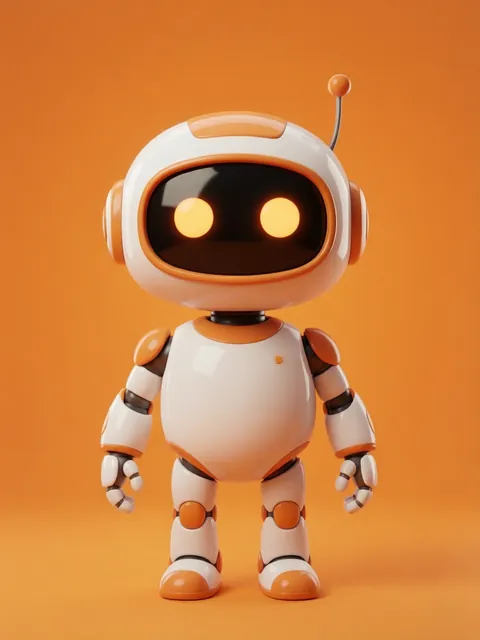
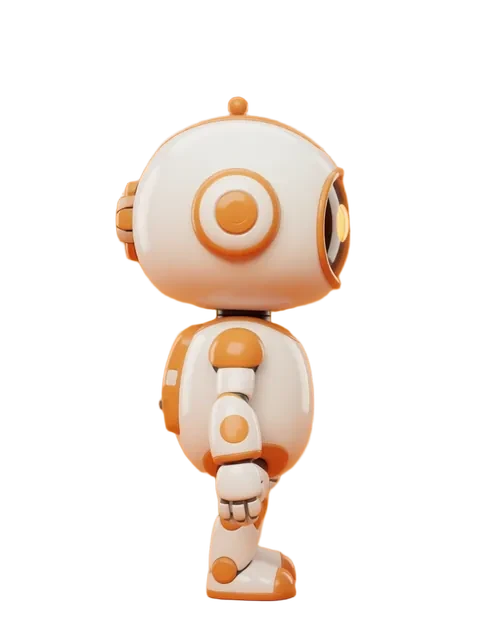
Scene rotator frames invert the usual workflow: instead of rotating the character around a fixed camera, you rotate the camera around a fixed character pose. The character stays locked in one pose, but the scene rotates 360 degrees around them — eight to twelve viewing angles of the same moment. This is the deliverable for AR character placement, game character previews where the camera orbits, and dramatic moment-frozen-in-time shots. Answer: Lock the character in one specific pose (the moment you want frozen), then generate the same pose from eight to twelve camera angles arranged radially around the character. Locked seed, reference strength 0.85 (higher than turnaround because the pose itself must not change), camera angle is the only variable between frames.


- 01
Pick the frozen pose
One specific moment — mid-jump, dramatic gesture, combat stance. The pose is the subject; the rotation is the framing. Choose a pose that reads from multiple angles, not one that only works from front.
- 02
Plan the camera arc
Eight angles at 45° intervals is standard (matches the 8-angle preset on ezcharacter.com). Twelve at 30° gives smoother rotation. Camera height stays constant; only horizontal angle changes.
- 03
Generate the pose master at front
Render the frozen pose at front view first. This is the pose anchor — every other angle references this master, not the previous angle.
- 04
Generate angles, locked pose, varied camera
Same pose prompt every time, camera angle varies ("front view," "45° right," "side profile," etc.). Locked seed, reference strength 0.85 — pose must not change between frames.
- 05
Audit pose consistency, not just identity
For a scene rotator, the pose holding across all angles is the bar — not just the face. If the character's arm position changes between frames, the rotation breaks. Regenerate any frame where the pose has drifted.
- Eight angles at 45° is the ezcharacter.com default and the readable minimum — twelve at 30° gives smoother rotation but doubles cost
- Reference strength 0.85 (higher than the 0.8 for standard turnarounds) — pose must not drift, even if identity has slack
- Camera height stays constant; horizontal rotation only. Vertical camera shift breaks the "rotation around frozen moment" read
- Pick poses that read from multiple angles — a profile-only pose (sword draw from the side) does not rotate well
- AR character placement is the strongest use case — engines drop the character into a scene at runtime, needing all-angle coverage of one pose
- Game character preview screens use scene rotators for the orbiting camera around a hero pose; standard 8 angles is sufficient
- For dramatic moment-frozen shots (the bullet-time effect), twelve angles plus motion blur in post sells the rotation
- Backgrounds should be neutral or transparent — busy backgrounds rotate too, doubling the visual complexity and confusing the read
Frequently asked questions
What is the difference between a scene rotator and a turnaround sheet?
How many angles do I need for a scene rotator?
How do I keep the pose identical across all rotator frames?
What is the strongest use case for scene rotator frames?
Ready to create consistent character views?
Upload a reference image and generate multi-angle views that stay true to your character.
Start generating