
Board Game Character Art — Consistent Across Cards, Rulebook, Box, and Kickstarter
Upload one character concept. Generate every game asset from the same locked reference — character cards, player boards, rulebook spreads, box cover hero, Kickstarter page graphics. When a backer opens the box, the art on the cards matches the art in the manual matches the art on the cover.
The problem
A mid-weight board game has 8–12 unique character cards, a 16–24 page rulebook with illustrated examples, box cover art, and a Kickstarter or Gamefound page with character spotlights and stretch-goal graphics. Every asset features the same characters. When the card art does not match the rulebook illustration — different eye color, different weapon design, different costume detail — backers flag it in the comments. Reviewers mention it in first-look videos. The game reads as a prototype, not a finished product, regardless of how good the mechanics are. Commissioning a board game illustrator costs $3,000–15,000 for a full game. For a one-off card illustration, commissioning a single artist works. For 10 characters appearing across 6 different game components with guaranteed visual consistency, EZ Character.
How board game designers use EZ Character
Character card art from one locked reference per character
Generate the multi-angle reference for each playable character before any card layout begins. Pull the three-quarter heroic angle for the character card portrait. Pull the front view for the player board. Pull the action pose for the special ability card. 10 characters × 3 card types = 30 assets. All 30 share the same 10 locked character identities.
Rulebook illustration consistency across every spread
The rulebook teaches combat on page 4, resource management on page 8, and special abilities on page 14. Each spread uses illustrated examples with the game's characters. Generate every illustration from the locked reference sets. The character teaching combat on page 4 is identifiably the same character demonstrating trading on page 8. Rulebook illustrations are teaching tools. Visual consistency makes the rules easier to learn.
Kickstarter page hero and stretch-goal graphics
Crowdfunding pages need a character lineup hero image, individual character spotlights, and stretch-goal reveals — alternate art versions, foil card previews, additional characters. Generate every crowdfunding visual from the same locked reference sets. Backer confidence increases when the campaign page art matches the production art in the pledge description. Consistent art signals a real product, not a concept.
Box cover and marketing asset alignment
The box cover is the single most important visual in board game publishing. Generate the cover composition using the same locked characters that appear inside the box. When a customer sees the cover at a convention booth or retailer shelf, what they see on the outside matches what they find on the cards, boards, and manual inside. Box-to-contents consistency is the difference between a professional product and a disappointment.
Recommended workflow
Start with these step-by-step guides — tuned for the deliverables board game designers ship most often.
Which tier fits this work
Start with PRO. A board game with 10 characters across 6 component types needs 60+ individual asset generations. Pro, a monthly credit allowance plus member pricing on the EZ engines (fast FLUX 4B images cost 0.5 credits), produces the full game art suite in 4 focused days at the lowest per-image rate we offer.
Frequently asked questions
Can I use EZ Character output in a published board game sold at retail?
What art style works best for board game character components?
How do I prepare the art files for a board game manufacturer like Panda or LongPack?
Can I generate characters that match a specific published game's visual style?
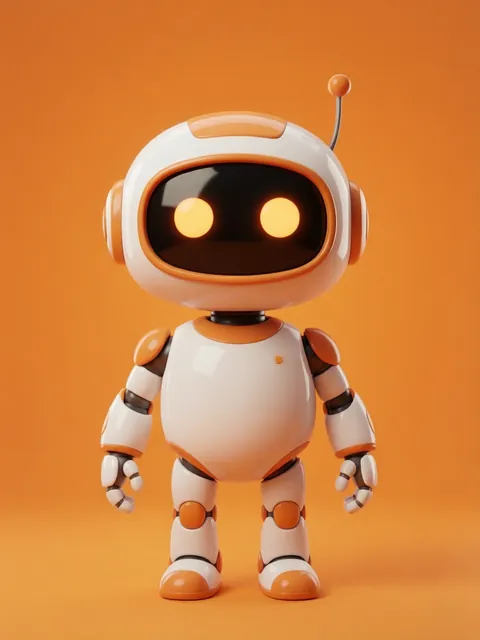
Does this work for games with non-human characters — animals, robots, monsters?
How does this compare cost-wise to commissioning a board game illustrator?


Generate your first reference set
Upload one image. Get 8 consistent angles. Use the set across every spread, frame, or sprite in your project.
Try EZ Character freeFree tier: 40 credits every month. No credit card required.