AI Character Art for Game Development Prototyping
Prototype game characters in minutes. Multi-angle sprites, turnarounds, and reference sheets — iterate on your vertical slice without the art bottleneck.
The challenge
Game prototyping is gated by art. A solo developer with a great mechanic can't show it to publishers, investors, or playtesters until the character looks like a character — not a grey capsule. Commissioning prototype character art costs $200–800 per character, and a prototype might need 3–5 characters. Freelance artists need 1–4 weeks per character. The prototyping phase stretches, momentum dies, and the vertical slice that should have taken a month takes three.
How EZ Character solves it
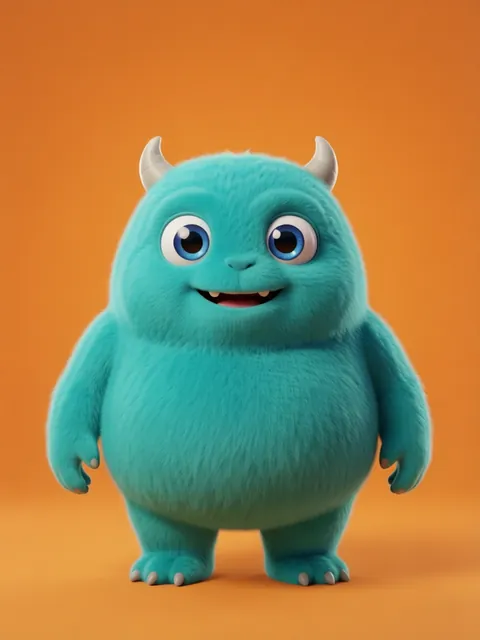
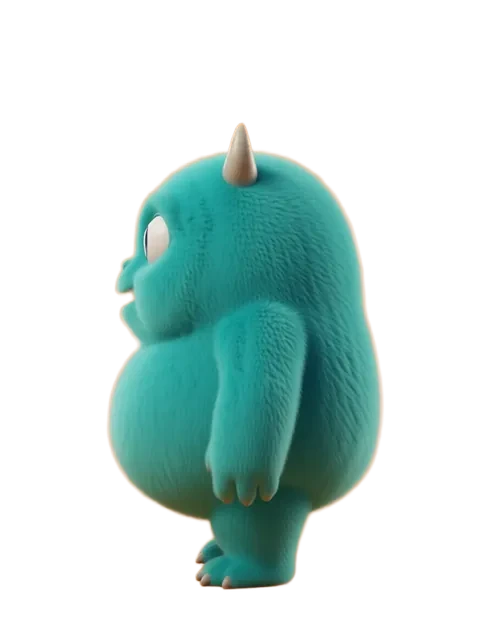
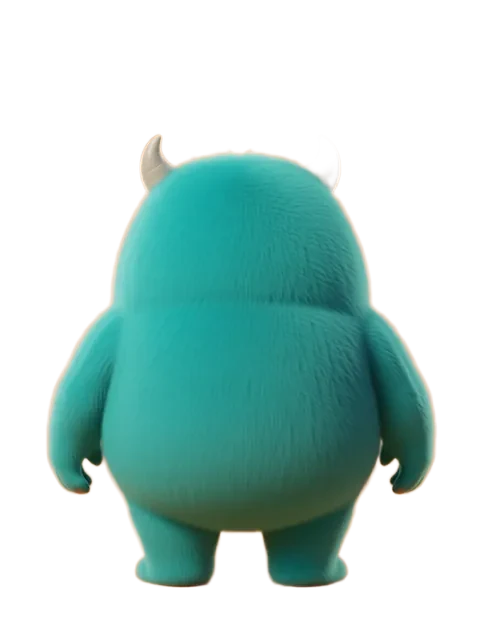
EZ Character generates production-quality multi-angle character references in 30–60 seconds. Upload a concept sketch, mood board image, or AI-generated character design, and get 8 consistent angles of the same character. Use the sprites directly in your Unity or Godot prototype. The character looks like a character — publishers and playtesters see the vision, not the grey capsule. When the prototype graduates to production, the same reference set guides the final character artist.
Step-by-step workflow
- 1
Design the protagonist concept
Upload a concept sketch, reference image, or AI-generated character to EZ Character. Generate the 8-angle turntable in your game's art style.
- 2
Generate secondary characters
Repeat for each character in your prototype — the sidekick, the antagonist, the NPC quest-giver. Each gets a locked reference set.
- 3
Integrate into your game engine
Import the directional sprites or turnaround references into Unity, Godot, or Unreal. Wire into your prototype's character controller.
- 4
Iterate based on playtest feedback
Playtest reveals that the protagonist needs a different silhouette or the antagonist isn't intimidating enough. Regenerate from the same locked reference with design tweaks.
- 5
Hand off to production
When the vertical slice is greenlit, hand the EZ Character reference set to the production character artist. The reference communicates the design intent precisely.
Recommended guides
Pro tips
- Generate sprites at native game resolution — production downscaling will come later
- Lock the art style before generating any characters — mixing pixel art and realistic sprites breaks prototype cohesion
- Use the reference set as your pitch deck character art — it's professional enough for publisher meetings
- Generate silhouette variants early — the character must read as a distinct shape in gameplay
Frequently asked questions
Can I use EZ Character sprites directly in my game prototype?
How does this compare to using Unreal MetaHumans or Unity character packs?
What resolution should I generate for a game prototype?
Start your game dev prototyping character pipeline
Generate your locked multi-angle character reference in EZ Character. One upload, every angle — ready for your project.
Try EZ Character freeFree tier: 40 credits every month. No credit card required.