
Generate Multi-Angle Views in Cut-Paper Silhouette Style
Cut-paper silhouette style strips character design down to its purest form — flat solid-color shapes with clean scissor-cut edges, layered paper depth, and zero internal detail. If a character is recognizable from its outline alone, the design is strong. This style is beloved in children’s book illustration (Lois Ehlert’s collage aesthetic), logo design exploration, theatrical poster art, and minimalist brand mascot development. Answer: Design your character for silhouette readability first — the profile and three-quarter views are the strongest test, so evaluate at each step. Generate an 8-angle set using flat solid shapes with subtle paper texture and a gentle drop shadow for layered depth. Verify every angle is recognizable as the same character from outline alone. Add optional colored-paper background layers for a collage effect. Export at print resolution for picture-book production quality.
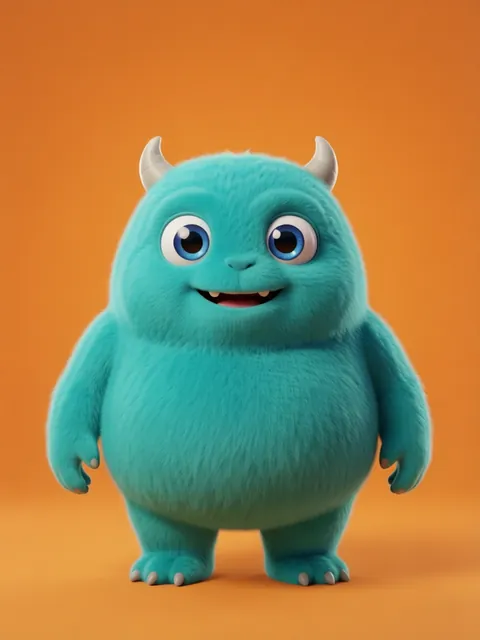
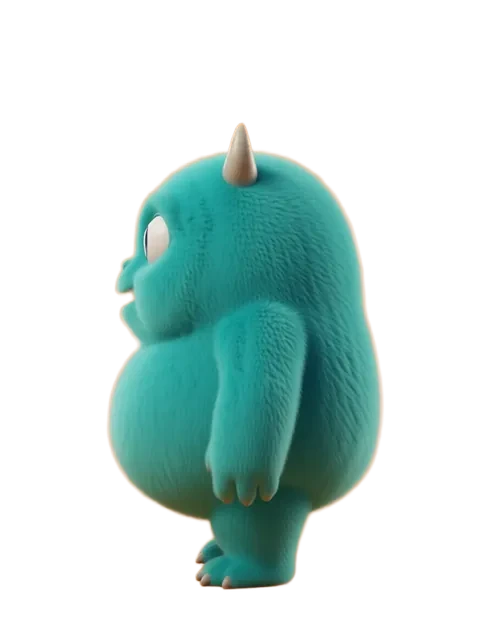
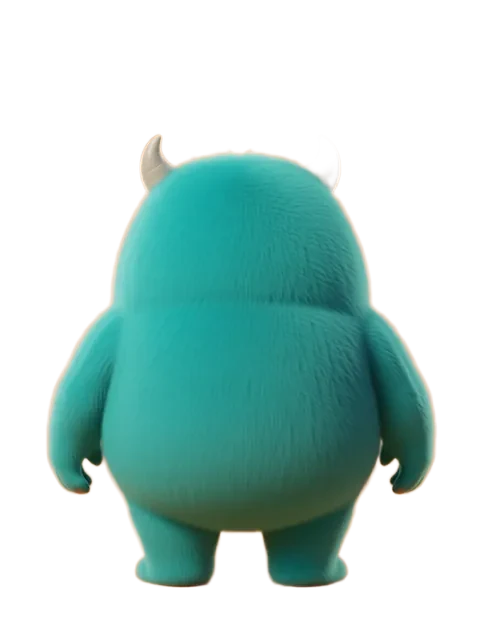

- 01
Design character for silhouette readability
Before generating, sketch or describe your character’s key silhouette features: head shape, body proportions, any distinctive accessories (hat, cape, tail, wings). The profile and 3q4 views are the strongest silhouette tests — if those angles work as pure flat shapes, the full set will succeed. Avoid interior detail descriptions; focus entirely on outline-defining forms.
- 02
Generate 8-angle set in cut-paper style with flat solid shapes
Use the multi-angle generator with the cut-paper style preset. Specify flat solid-color shapes, clean scissor-cut edge quality, and layered paper depth with subtle drop shadows. Choose a limited palette of 3-5 flat colors — one per paper layer — for a cohesive craft aesthetic.
- 03
Verify silhouette readability per angle
For each of the 8 angles, apply the silhouette test: mentally fill the shape with solid black. Can you still identify it as the same character? If any angle fails, adjust the character’s pose or accessory placement for that view and regenerate. The back view is often the weakest — add a distinctive back detail (collar, hair shape, cape) to anchor it.
- 04
Apply paper texture and drop shadow for depth
Add a subtle paper-grain texture overlay to each flat shape and a soft drop shadow (2-4px offset, 30% opacity) to create the layered cut-paper illusion. Keep shadows consistent — all shapes cast shadow in the same direction as if lit from one light source. Avoid glossy or digital-looking effects that break the craft aesthetic.
- 05
Export at print resolution with optional colored-paper backgrounds
Export at 300dpi minimum for print; 600dpi if the destination is a picture book or large-format poster. Optionally composite each angle onto a different colored-paper background (kraft brown, cream, muted blue) for a collage-series presentation suitable for portfolio or gallery display.
- Limit your palette to 3-5 flat colors — one per paper layer — to maintain the handcrafted cut-paper feel
- The profile view is your strongest silhouette angle; generate it first and use it as the anchor for design consistency
- Add one distinctive silhouette feature (a unique hat shape, an asymmetrical cape, exaggerated hair) to make the back view recognizable
- Keep drop shadows soft and consistent — a hard-edged digital shadow ruins the craft-paper illusion instantly
- For children’s book spot art, place the character on a textured paper background that matches the book’s interior page color
- If generating for logo design, export an additional pure-black silhouette version of each angle for versatility testing
- Paper texture should be subtle — visible at print size but not distracting at thumbnail size where most portfolio browsing happens
- Test silhouette recognition by showing the solid-black version to someone unfamiliar with the character; if they can describe the character type, the silhouette works
Frequently asked questions
What is cut-paper silhouette style and when should I use it for character reference sheets?
How do I test silhouette readability across different viewing angles?
Can I generate cut-paper silhouette character references on the free tier?
What export settings work best for cut-paper silhouette art in children’s books?
Ready to create consistent character views?
Upload a reference image and generate multi-angle views that stay true to your character.
Start generating