
Generate Multi-Angle Views in Collage Mixed-Media Style
Collage and mixed-media character design breaks every rule that makes digital art feel predictable. Torn paper edges, mismatched textures, and the tactile clash of newsprint against kraft paper create an editorial energy that flat vector work cannot touch. This style belongs to album covers, magazine illustrations, and zine culture, where the handmade aesthetic signals authenticity and creative intention. Answer: Our AI generates eight-angle character turnarounds in mixed-media collage style, rendering torn paper edges, layered material textures (fabric, newsprint, photography, kraft paper), and visible adhesive marks from a single reference. Create editorial-grade collage character sheets that read as hand-assembled across every viewing angle.
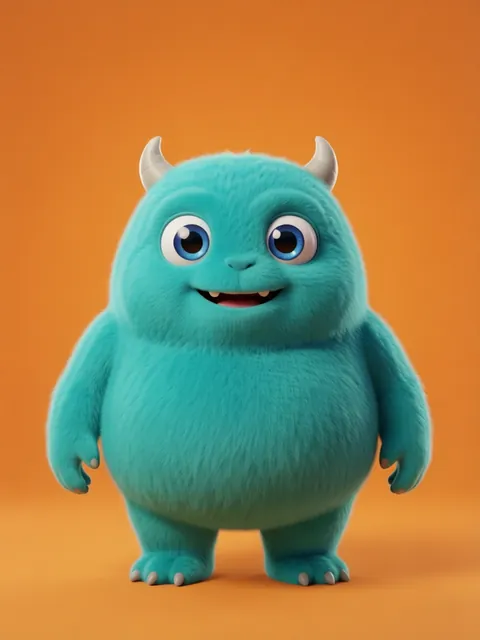
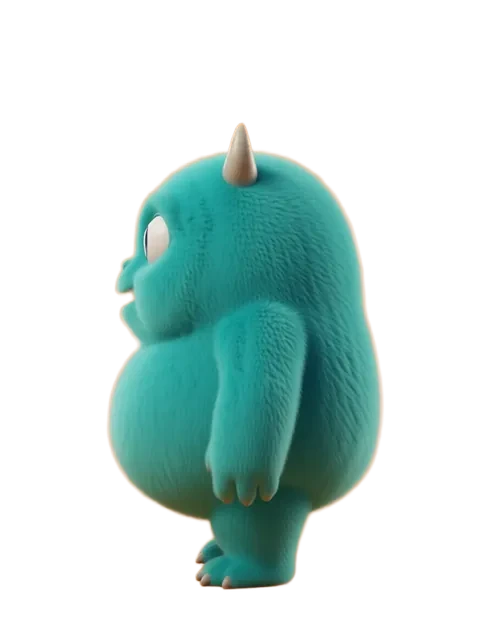
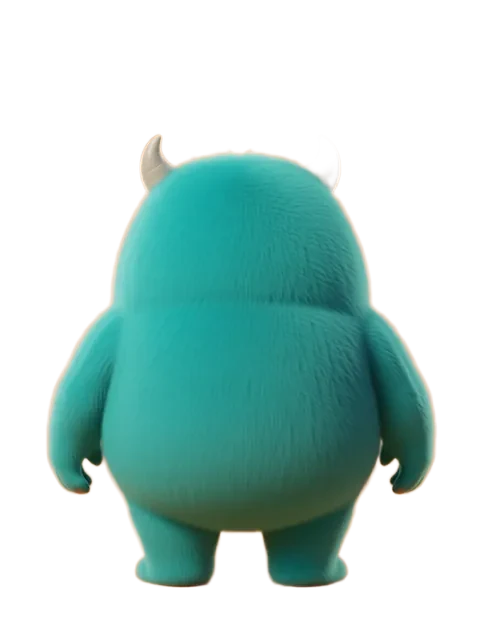

- 01
Describe your character in simplified graphic shapes suitable for collage
Write a prompt that breaks your character into distinct material zones: newsprint skin, fabric clothing, kraft paper props. Collage reads best with bold, simplified shapes rather than photorealistic detail. Specify which body zones map to which material types for a deliberate, designed look.
- 02
Generate 8-angle set in mixed-media collage style
Upload your reference and select the collage/mixed-media style preset. The generator produces all eight views with distinct torn paper edges, visible material transitions, layered depth, and the characteristic "hand-cut" imperfection that defines authentic collage work. Each angle maintains the assigned material mapping.
- 03
Verify paper texture and edge consistency across angles
Audit all eight angles for consistent material treatment. The torn-edge style, paper grain patterns, and material palette (what is fabric versus what is newsprint) must read identically through the rotation. Inconsistent edge treatment between angles breaks the collage illusion.
- 04
Ensure each angle reads as the same collage technique
Review for technique continuity: the same torn-edge radius, the same adhesive style (glue stick marks, tape strips, or stitching), and the same material palette across all views. If one angle looks like clean digital cutouts while another shows rough torn edges, adjust and regenerate.
- 05
Export with layered look preserving each material type as a separate visual layer
Export the complete set with drop-shadow depth between material layers preserved. Package individual angle files plus a contact sheet that shows all eight views with their layered depth intact. For editorial submissions, include a version that separates material types into actual image layers for art director flexibility.
- Reference specific materials by name: "kraft paper, vintage newsprint, linen fabric, polaroid photo"
- Add "visible glue stick residue" or "washi tape borders" in prompts for authentic adhesive detail
- Limit material types to 3-4 per character for a cohesive rather than cluttered collage look
- Use "deckle edge" instead of "torn edge" for a more refined paper-art vocabulary in prompts
- Test each angle at thumbnail size to verify the character silhouette reads despite mixed textures
- Include a subtle drop shadow between material layers to reinforce the physical collage illusion
- Pair collage characters with hand-lettered typography for complete editorial spreads
- Export a flat version for web and a layered version for print editorial workflows
Frequently asked questions
What's the best reference image format for collage-style character generation?
Can I generate collage-style multi-angle views on the free tier?
How do I control which materials appear in my collage character?
Can I combine collage style with hand-drawn elements?
Ready to create consistent character views?
Upload a reference image and generate multi-angle views that stay true to your character.
Start generating