
Design a Character Personality Pose Sheet with 8-12 Action Poses
A standard turnaround sheet shows what a character looks like, but a personality pose sheet shows who they are. Animation studios and game art teams use personality pose sheets to onboard artists quickly — one glance at 8-12 expressive poses communicates the character's attitude, movement style, and emotional range more effectively than any written bio. Think of it as visual casting. Answer: Start with an 8-angle reference sheet to lock the character's identity and proportions, then brainstorm poses that express their core personality traits. Re-prompt each pose from the locked reference with high reference strength to maintain design consistency while varying the action. The resulting sheet becomes the definitive "this is how this character moves" document for your entire art team. Here is the complete workflow from reference lock to annotated pose layout.


- 01
Generate the standard 8-angle reference to lock character identity
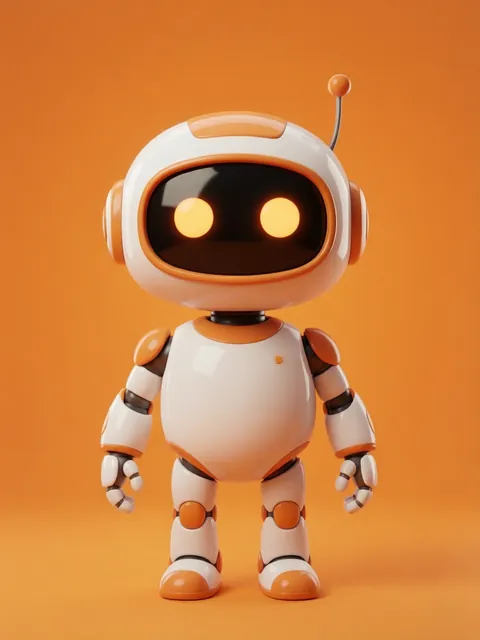
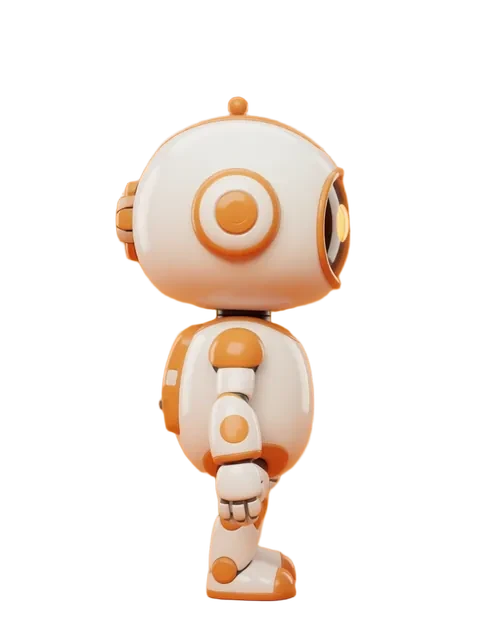
Before any personality poses exist, you need a locked-down character design. Generate the full 8-angle reference sheet and verify that facial features, costume details, body proportions, and color palette are consistent across all angles. This sheet is your ground truth — every personality pose will be derived from it.
- 02
Brainstorm 8–12 poses that express the character's personality traits
List the character's defining traits (cocky, nervous, graceful, aggressive, playful) and map each to a specific physical action. A cocky character leans against a wall with crossed arms; a nervous character fidgets with their hands; a graceful character executes a ballet leap. Aim for variety: mix dynamic full-body actions with quieter emotional beats like sitting, crouching, or peering over a shoulder.
- 03
Re-prompt each pose from the locked reference with reference strength 0.75
For each pose, use the locked reference image as the prompt source with a reference strength of 0.75. This value keeps the character design stable while giving the AI enough creative latitude to rotate limbs and shift body mass realistically. Higher values (0.85+) stiffen the pose unnaturally; lower values (below 0.65) risk the character drifting into a different design. Test the sweet spot on the first two poses before committing to the full set.
- 04
Layout the pose sheet with consistent spacing and size
Arrange all 12 poses on a single canvas at uniform scale. Group poses by energy level or narrative sequence — idle poses together, action poses together, reaction poses together. Maintain equal padding between each pose and add a subtle drop shadow or outline to separate overlapping poses. A 4x3 grid (for 12 poses) or 4x2 grid (for 8) reads cleanly on both screen and print.
- 05
Annotate each pose with the personality trait it communicates
Add a small text label beneath each pose identifying the trait (e.g., "Confidence — leaning stance," "Curiosity — crouch and peer," "Rage — combat ready"). This annotation turns the sheet from a gallery into a working document. Art team members can point to a specific pose and say "make the idle animation feel more like pose #3" — saving meeting time and revision cycles.
- Write pose prompts as action descriptions, not static angles — "character mid-sprint, arms pumping, forward lean" produces better results than "running pose."
- Silhouette is everything in a pose sheet. Squint at each pose thumbnail — if you cannot read the action from the silhouette alone, the pose needs more clarity.
- Include at least one "weight shift" pose (leaning, sitting, carrying something) — these reveal how the character distributes mass and are invaluable for riggers.
- Keep a color swatch strip at the bottom of the pose sheet so artists sampling colors from the sheet always pick from the canonical palette.
- For asymmetrical characters (one mechanical arm, eyepatch, facial scar), ensure enough poses show both sides so artists understand the full design.
- Reference strength of 0.75 is a starting point — test 0.70 and 0.80 on your first pose and pick the value that preserves identity without stiffness.
- If a pose comes back with a slightly different face, do not discard it immediately — sometimes the pose is salvageable by compositing the locked reference face onto the generated body in post.
- Version the pose sheet with the date and character name in the filename so returning artists grab the latest iteration.
Frequently asked questions
How many poses should a personality pose sheet have?
What reference strength should I use when generating poses from a locked character reference?
Should I include the turnaround angles on the personality pose sheet?
Can I create a full personality pose sheet on the free tier?
Ready to create consistent character views?
Upload a reference image and generate multi-angle views that stay true to your character.
Start generating