
Create Character Art for an Animation Pitch Bible
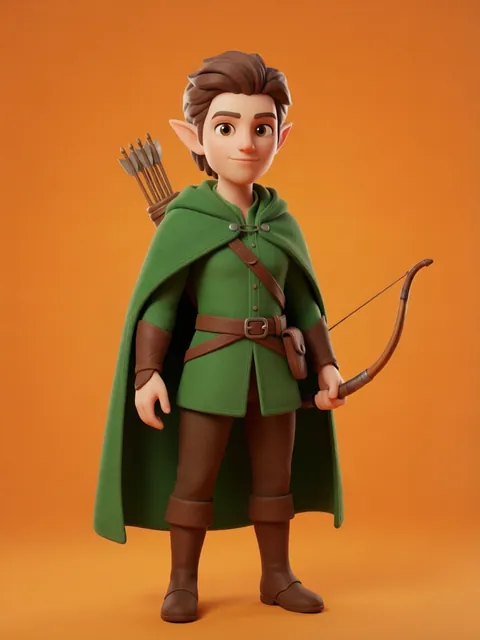
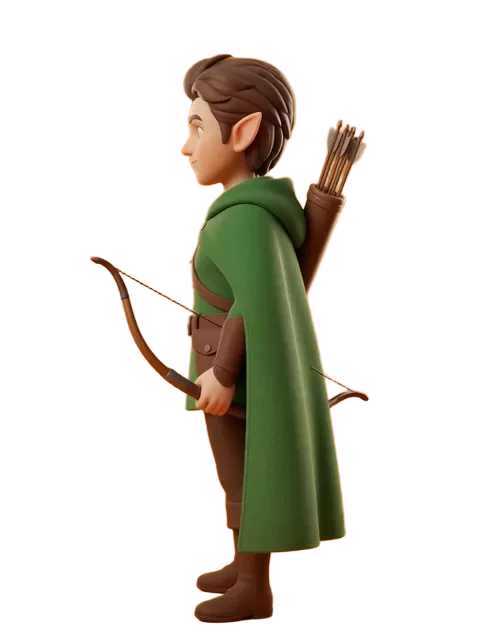
Network and studio pitch meetings live or die on the strength of your character art. An animation pitch bible's character section needs a complete visual package: clean turner sheets showing the character from every angle, an expression sheet proving emotional range, a personality pose sheet communicating attitude, and prop interaction sheets demonstrating how the character engages with their world. Answer: Use a multi-angle AI generator to produce the 8-angle reference sheet for each character, then build out expression and pose sheets from that locked reference. The goal is to convince an executive that your cast is fully realized — not just sketched on a napkin. This guide walks through the complete character section assembly for a 30-50 page pitch bible that looks professional enough for Cartoon Network, Netflix Animation, or studio development execs.

- 01
Design the main cast of 3–5 characters
Define each character's silhouette, color palette, and key distinguishing features before generating any reference sheets. A strong cast has varied silhouettes — if all characters read identically as black shapes, the art direction needs more differentiation. Write a 2-3 sentence personality brief per character to guide posing and expression choices downstream.
- 02
Generate the 8-angle reference for each character
Produce a consistent 8-angle turnaround for every cast member using the same art style and lighting setup. Consistency across characters is as important as consistency within a single character — the pitch bible must look like it came from one unified production, not five different artists. Process all characters through the same pipeline with the same prompt parameters.
- 03
Create the expression sheet with 8–12 expressions for lead characters
For lead characters only (supporting cast can get 4-6), generate a range of emotions that spans the character's expected arc: neutral, happy, sad, angry, surprised, scared, disgusted, and 4-5 character-specific expressions. Each expression must read clearly at thumbnail size — if a producer squinting at a printed page cannot tell what emotion is shown, the expression is too subtle.
- 04
Create the personality pose sheet
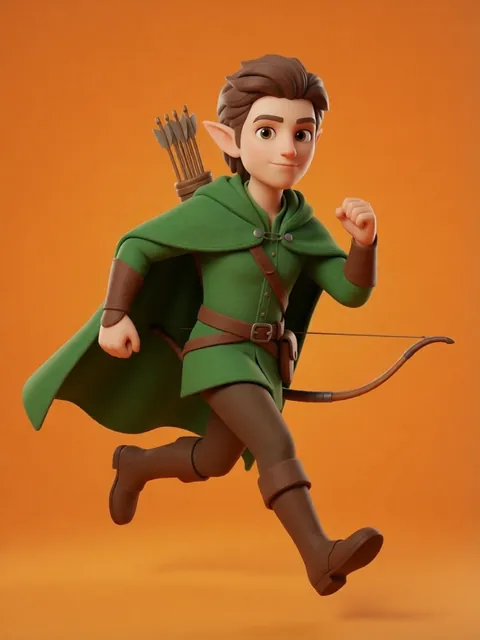
Generate 8-12 action poses per lead character that communicate personality through body language. This sheet tells the animation director "here is how this character moves through space." Include at least one idle stance, one action pose, one reaction pose, and one interaction pose (holding a prop or interacting with another character). Reference strength of 0.75 preserves identity across poses.
- 05
Layout the pitch bible character section with turner sheets and model notes
Assemble each character's pages in a consistent template: page 1 has the turner sheet and basic stats (name, age, role, voice direction), page 2 has the expression sheet, page 3 has the personality pose sheet, and page 4 has turnarounds with annotated proportion notes (head-height measurement, landmark callouts). Add a 2-3 sentence model note per character — the art director's brief on what defines this character visually. Export the full section as a print-ready PDF with bleed and crop marks.
- Pitch bibles are scrolled, not read sequentially — make each character's opening page visually distinct so an exec can jump to any character instantly.
- Vary character height-to-head ratios deliberately: a 5-head-tall character reads as a child, 7-heads as an adult, 9-heads as heroic — consistency within archetype matters.
- Include at least one "dynamic duo" shot (two characters interacting) — it proves your designs work together in the same visual universe.
- Use the same background color and lighting setup across all character sheets so nothing distracts from design comparison.
- Add a small color palette strip to each character page with hex codes and material callouts (hair, skin, primary costume, secondary costume, accent).
- If your pitch bible targets a specific network, research their current slate and ensure your art style reads as distinct from what they are already airing.
- Print a test copy at actual pitch bible size (usually 8.5x11 or A4 landscape) — what looks crisp on a 27-inch monitor may be muddy on paper.
- Budget at least 2-3 weeks for the character section alone; rushing character art is the most common pitch bible mistake and the hardest to hide from experienced execs.
Frequently asked questions
How many characters should a pitch bible character section cover?
What file format should the pitch bible character section use for submission?
Do I need to include turner sheets for every character, or just leads?
Can the free tier handle generating character art for a full pitch bible?
Ready to create consistent character views?
Upload a reference image and generate multi-angle views that stay true to your character.
Start generating