
Create Multi-Character Scene Consistency
Multi-character scenes are where AI generation breaks down hardest. The model can hold one character's identity across angles cleanly, but ask for two characters in one frame and faces start swapping, outfits bleed across bodies, and proportions homogenize. This guide covers the techniques that actually work for two- and three-character scenes — and is honest about the eight-character group shot being out of reach for current diffusion models without manual compositing. Answer: Generate each character's 8-angle sheet separately for identity baseline. Then prompt the multi-character scene with explicit character IDs ("character A: red-haired warrior in left foreground; character B: blonde mage in right background"), reference strength 0.7, and accept that 2–3 characters per scene is the reliable ceiling. Beyond that, composite separate single-character generations.
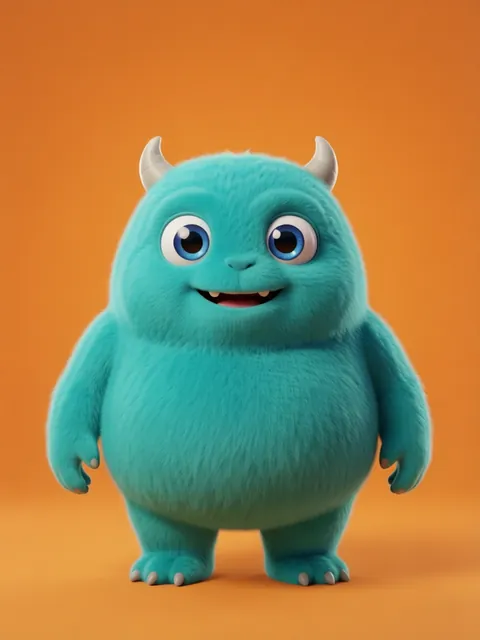
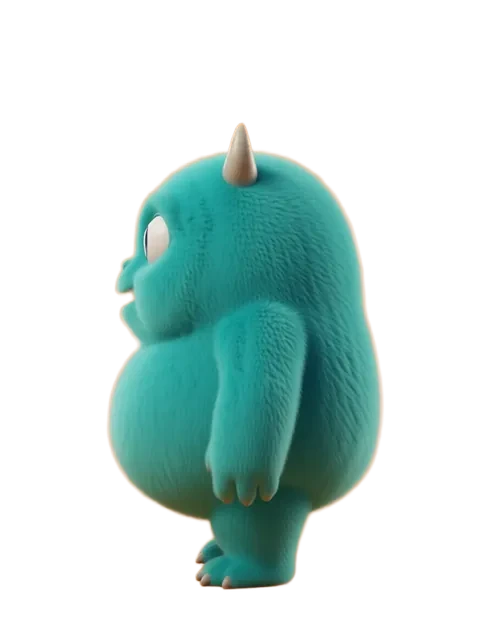
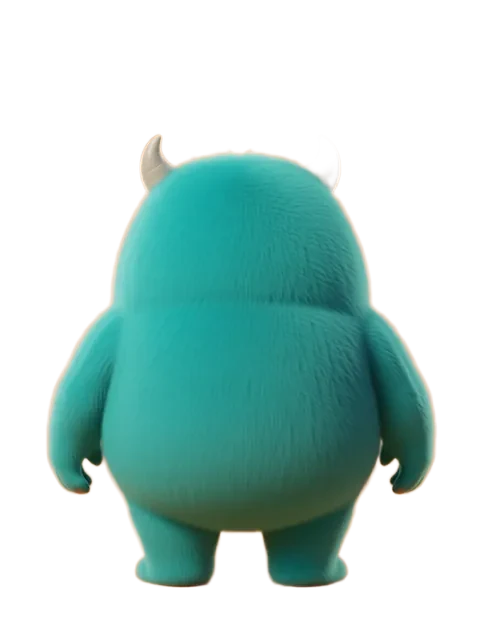

- 01
Build identity sheets first
Generate a full 8-angle reference sheet per character before any scene work. Without strong individual baselines, the model has nothing to anchor to in the group scene.
- 02
Write the scene with character IDs
Describe each character by spatial position and one unmistakable feature. "Character A (red hair, scar, left foreground), character B (blonde, tall, right background)." Spatial words anchor identity to position.
- 03
Lock the seed and reference both
Use multi-image reference if your tool supports it. Reference strength 0.7 — higher and the characters merge into one face, lower and they go generic.
- 04
Generate, then triage
Run six to ten generations of the same scene prompt. Two will be unusable (face swap, body merge), six will be decent, one or two will be production-ready. Pick from the top tier, do not edit the misfires.
- 05
Composite if you need 4+ characters
For group shots beyond three, generate characters individually at matching lighting and camera angle, then composite in your editor. Pure-prompt group scenes break above three.
- Two characters: reliable. Three: workable. Four+: composite manually, do not trust the model
- Reference strength 0.7 is the multi-character sweet spot — single-character strength (0.8–0.9) makes the two faces merge
- Use spatial anchors ("left foreground / right background") in the prompt — they tie identity to location and prevent face-swap
- Differentiate characters by maximum-contrast features (hair color, height, build) — two brunettes of similar height swap faces constantly
- Generate six to ten variants per scene; expect a 60–70% usable rate, not 100%
- Same lighting and camera angle across all characters' baseline sheets — mismatched baselines compound errors in the group
- For dialogue or interaction scenes, generate the wide shot then re-prompt for close-ups of each character separately
- D&D party scenes (5–6 characters) almost always need composite work — generate as pairs, blend in post
Frequently asked questions
How many characters can be in one consistent AI-generated scene?
Why do two characters in one scene end up with the same face?
Can I generate a D&D party of five or six characters in one shot?
Should each character have their own reference sheet before the scene?
Ready to create consistent character views?
Upload a reference image and generate multi-angle views that stay true to your character.
Start generating