
Create a Character with Multiple Outfits
This is the production workflow for one character across an entire wardrobe — ten, twenty, or fifty outfits — without identity drift accumulating across the set. Different from a variant sheet, which is a single page artifact: this is the pipeline for shipping a character whose costume actually changes between scenes, levels, or chapters. Game cosmetics teams, VTuber wardrobe pipelines, and long-running webcomics all hit this problem. Answer: Build one canonical 8-angle identity sheet, save it as the master reference, then generate every outfit as a fresh job referencing the master — not the previous outfit. Generating in chains (outfit 2 referencing outfit 1, outfit 3 referencing outfit 2) compounds drift. Always anchor back to the original master, locked seed, reference strength 0.8.
- 01
Lock the canonical identity
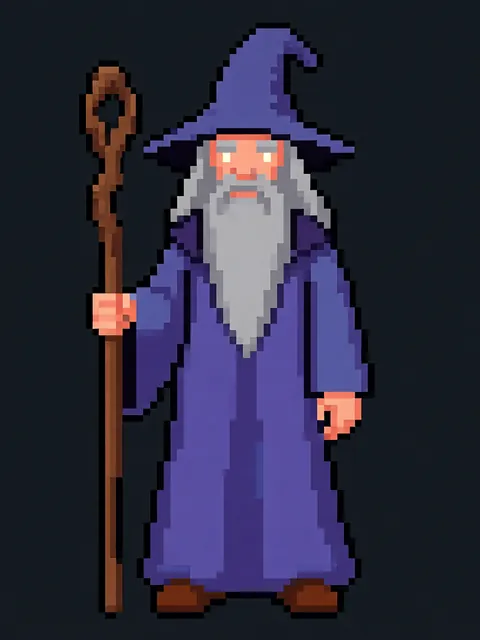
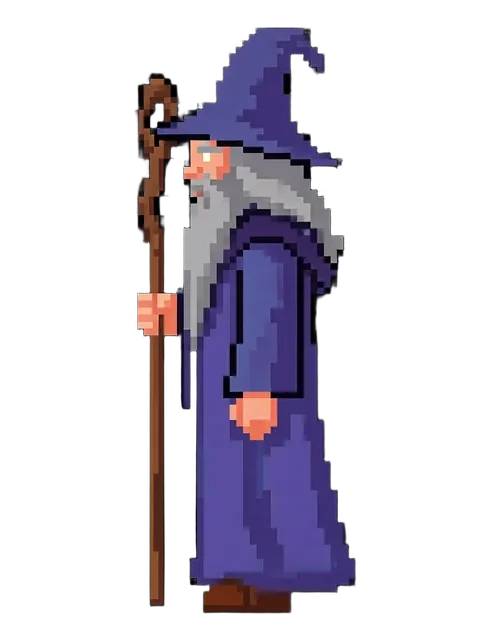
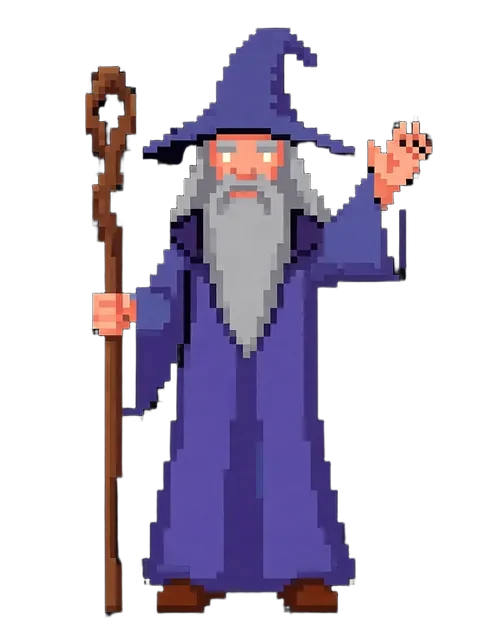
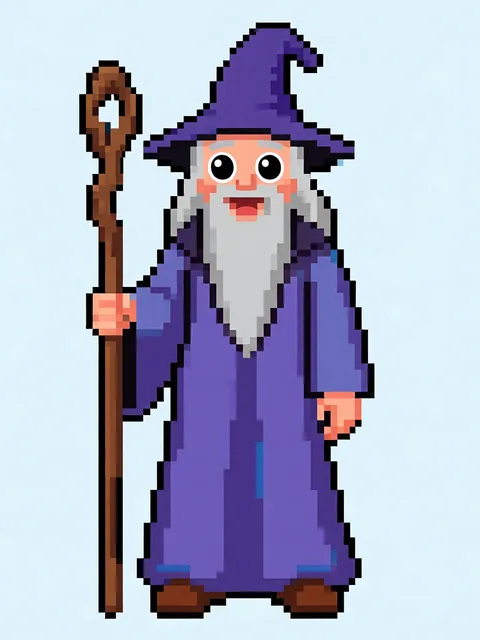
Generate the master 8-angle sheet in a neutral outfit. This is the only reference you use for every future wardrobe job. Tag it, version it, do not modify it.
- 02
Build the wardrobe spec sheet
List every outfit with silhouette, color palette, signature element, and scenario. A spec sheet stops you from prompting the same outfit twice with different words and getting two different results.
- 03
Generate each outfit as a standalone job
Always reference the master, never the previous outfit. Reference strength 0.8, seed locked. Each outfit gets its own batch of 8 angles or just front-three-side-back depending on use case.
- 04
Audit weekly for drift
After every five to ten outfits, lay them all in a grid and spot the drift. Hair color and eye color drift first. Regenerate any outfit where identity has slipped before adding more to the wardrobe.
- 05
Version the wardrobe
Tag outfits by season, story arc, or character state. "v1-summer-casual," "v2-postwar-armor." Versioning lets you retire outfits and add new ones without breaking continuity.
- Always reference the master sheet, never the previous outfit — chained references compound drift exponentially
- A wardrobe of ten outfits costs roughly ten generations of 8 angles each; budget accordingly under free tier (40 free credits every month) or paid (more)
- Hair color is the first identity signal to drift across a long wardrobe — re-state it in every outfit prompt
- Build a wardrobe spec sheet in plain text before generating; "red dress" vs "crimson gown" produce different outputs
- Group outfits into seasons or arcs and generate each group in one session so lighting and mood stay consistent within the group
- For game cosmetics, generate every outfit against the same neutral grey background — saves manual cleanup in the cosmetics store
- Re-baseline the master every 20+ outfits — a fresh 8-angle pass with updated rendering quality keeps the wardrobe current
- Combat / armored outfits drift identity fastest; generate those with reference strength 0.85, not the standard 0.8
Frequently asked questions
How do I keep a character consistent across twenty outfits?
Does AI image generation produce the same character every time?
How many outfits can I generate on the free tier?
Should every outfit have a full 8-angle turnaround?
Ready to create consistent character views?
Upload a reference image and generate multi-angle views that stay true to your character.
Start generating