
Create Character Art for Zine Cover and Interior
Zine character art operates under specific constraints that actually make for better design: limited spot colors (risograph drums print one color at a time), grainy texture that becomes a feature rather than a flaw, and bold graphic shapes that read at small trim sizes. Whether you are making a half-fold (5.5x8.5in), quarter-fold (4.25x5.5in), or A5 (5.8x8.3in) zine, your character art needs to work as a cover focal point and as reusable interior spot illustrations — all within a 2-3 color budget that keeps riso printing affordable. This guide is for indie zine makers, art zine creators, comic zine artists, and poetry zine illustrators who want professional character art without professional printing costs. Answer: Use our multi-angle character generator with risograph-specific prompts — bold shapes, 2-3 spot colors, no fine gradients, and export with riso color separations for direct-to-press printing.

- 01
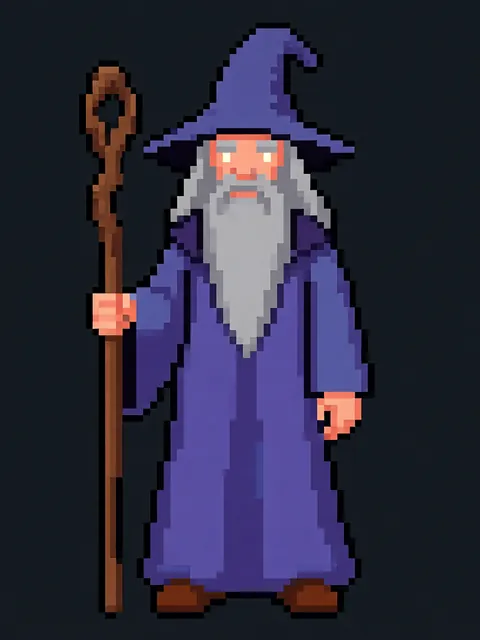
Generate character in risograph-friendly style with bold shapes and limited palette
Design your character specifically for risograph reproduction. This means: bold, graphic shapes (no fine details under 2pt), high-contrast silhouette that reads at small sizes, flat color areas (no gradients — riso cannot reproduce smooth gradients), and a strict 2-3 color palette matching available riso drum colors. Popular riso color combos: fluorescent pink + yellow + black, aqua + fluorescent orange, or teal + sunflower + black. Describe your character in terms of color blocks: "Costume is a flat teal block with no shading; skin is a flat cream block; hair is a flat black block with bold graphic strands." Overprinting (where two colors overlap to create a third) is a riso superpower — plan intentional overlap zones where your teal and yellow mix to create green for extra visual depth on a 2-drum budget.
- 02
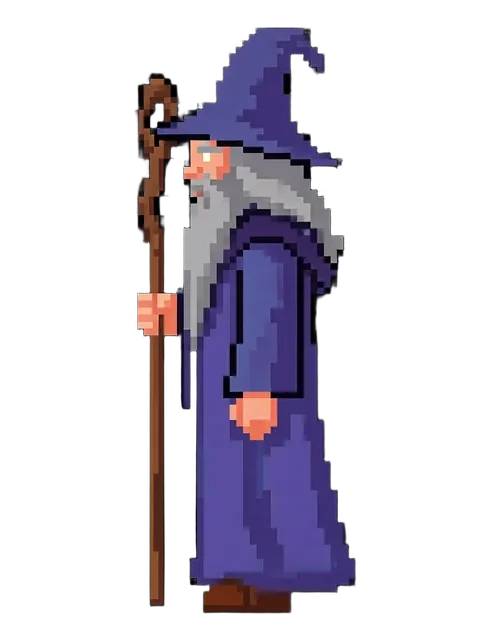
Create 8-angle reference for interior reuse
Generate your 8-angle character reference sheet in the same risograph-friendly style. This reference sheet serves double duty: it can appear as interior content (a "meet the characters" spread is classic zine material), and it provides you with reusable character poses to crop and place across interior pages. Generate at 600dpi — riso prints at 300-600dpi and the extra resolution preserves the halftone grain texture that defines the riso aesthetic. Each angle should use the same 2-3 spot colors with the same overprint zones. Keep backgrounds empty (transparent or white) so you can place angles on different interior page backgrounds without color clashes.
- 03
Design zine cover at chosen trim size with character as focal point
Design your zine cover layout at your chosen trim size plus 0.125in bleed on all sides. Position the character as the dominant focal element — typically centered or offset to the right third with zine title on the left. The cover must work within your limited color palette: if using 2 riso drums (e.g., fluorescent orange + black), the cover has exactly two ink colors to work with, and every element (character, title typography, decorative elements) must be designed within that constraint. Add 3mm inner safety margin — no critical elements (character face, title text) within 3mm of trim lines. Create a full-bleed background color block (one of your spot colors at 100%) with the character breaking out of it for dynamic cover energy.
- 04
Create interior spot illustrations from reference per article/spread
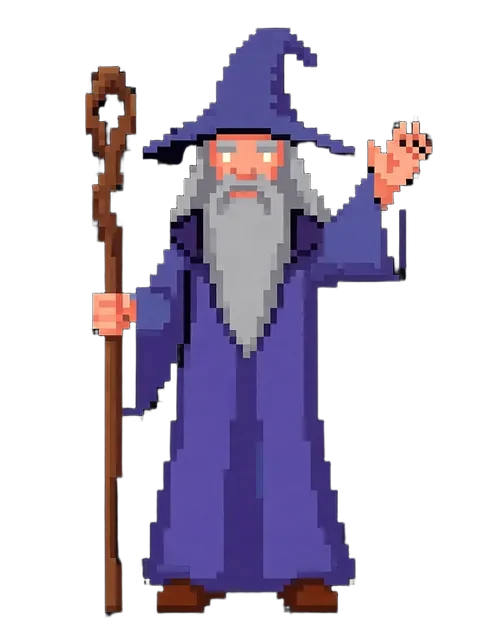
Using your 8-angle reference sheet, crop and adapt character angles into interior spot illustrations. For a typical 16-page half-fold zine: page 2 gets the character from front angle as an introduction illustration, pages 4-5 (center spread) gets the full reference sheet as a poster spread, pages 8 and 12 get 3q4 angle spot illustrations near relevant text, and page 15 gets the character from rear angle as a visual callback. Vary illustration scale: some spreads get full-page character art, others get small 2-inch spot illustrations tucked into text columns. This rhythmic variation in illustration scale across spreads is what makes zine interiors feel designed rather than templated. All illustrations stay within your 2-3 spot color palette.
- 05
Export as print-ready PDF with riso color separations
Export your final zine as a print-ready PDF with individual spot color separations. For each page, export separate grayscale PDF layers: one layer per spot color showing ink coverage as grayscale values (where 100% black on the separation layer = 100% ink coverage of that spot color on press). Label separation layers clearly: "Fluorescent Pink separation," "Black separation." Include printer marks: crop marks at trim, 0.125in bleed, and registration marks (crosshair targets) on each separation for drum alignment. If printing at a riso studio, ask for their separation specs — some prefer combined PDFs with spot color channels, others prefer individual grayscale TIFFs per color per page. Package includes: print-ready combined PDF, individual separation PDFs, and a color proof mockup showing intended overprint results for the press operator.
- Riso ink is translucent — plan your overprint zones intentionally: teal over yellow creates green, pink over yellow creates red-orange, adding a third color for free
- Halftone grain is a feature, not a bug — embrace the texture; do not prompt for "clean" or "smooth" renders that fight the riso aesthetic
- Free tier: generate angles individually, then lay out the zine in free tools like Scribus (open-source InDesign alternative) or Canva with riso color palette constraints
- Most riso studios use standard drum colors — check your local studio color list before designing; nothing worse than designing for a color they do not have
- For staple-bound zines, page count must be divisible by 4 — plan your interior character art placement around 16, 20, or 24 page counts
- Test your cover at actual print size before committing — a character that looks bold on screen at 100% zoom may feel tiny on a 5.5x8.5in cover held at arm length
- White space is free in riso printing (it is just unprinted paper) — use generous white space around character spot illustrations for a polished, intentional layout
- Print a single test copy on a home inkjet before sending to the riso studio — inkjet colors will not match riso but you will catch layout, margin, and scale issues
Frequently asked questions
Can I create zine character art on the free tier?
What is a risograph and why does it need special art specifications?
How many spot colors should I use for an affordable zine print run?
Can I use these character designs for a zine I plan to sell?
Ready to create consistent character views?
Upload a reference image and generate multi-angle views that stay true to your character.
Start generating