
Generate Multi-Angle Character Views in Woodcut Print Style
Woodcut printmaking strips character art down to its rawest elements: bold black ink lines carved into wood grain, crosshatch shading built stroke by stroke, and the rough bite of paper texture against the inked block. This is the style of medieval bestiaries, indie RPG zines, and folk-art character decks – artwork that feels handmade, tactile, and deliberately crafted rather than digitally rendered. The constraint that defines woodcut consistency across angles is hatch density: crosshatch shading must darken and lighten at the same rates regardless of rotation, or the character’s lighting reads as inconsistent. Answer: Our multi-angle generator produces 8-angle sets in woodcut print style with controlled hatch-pattern density, a limited 3-color + black palette authentic to relief printmaking, and rough paper texture overlay for the genuine hand-pulled print aesthetic.
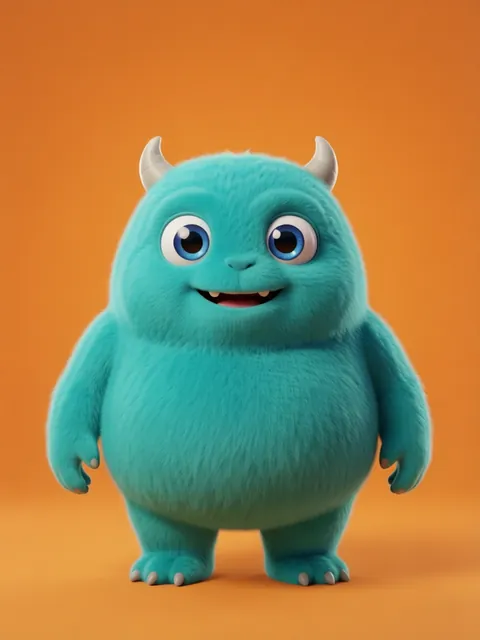
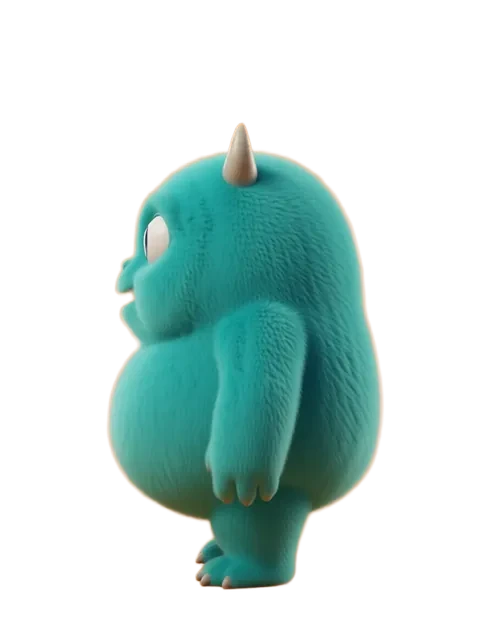
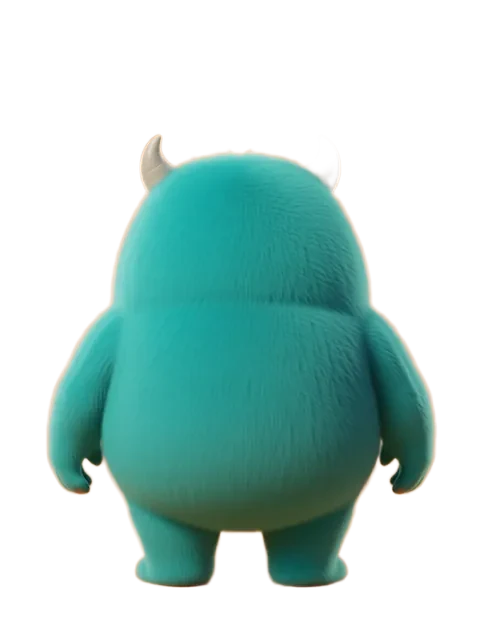

- 01
Describe your character in bold silhouette terms
Woodcut thrives on strong silhouettes and high-contrast forms. Describe your character emphasizing their most distinctive outline features, major light/dark divisions, and the negative-space shapes that define them. Fine detail will translate to crosshatch zones – describe which areas should be dense black, which should be carved away to paper-white, and which should carry the midtone hatching.
- 02
Generate 8-angle set in woodcut print style
Run the full rotation with the woodcut style preset. The generator applies heavy black ink line work (varying stroke weight to simulate different carving tools – V-gouge for fine lines, U-gouge for broad strokes), crosshatch shading zones with controlled line spacing, and a 3-color + black separation authentic to reduction print or multi-block registration.
- 03
Verify hatch pattern density across angles
Crosshatch density is the woodcut consistency killer. A shadow zone that’s 60% hatch density at front view must be 60% at 3q4 view. Overlay angles and check that equivalent anatomical zones carry matching hatch densities. If the under-chin shadow darkens at 90° but lightens at 180°, the lighting direction has drifted – correct before final export.
- 04
Limit palette to 3 colors + black for printmaking authenticity
Authentic reduction woodcut or multi-block prints use 1-3 colors plus black ink. Review your generated set and reduce any fourth or fifth color to the nearest of your three chosen hues. The constraint is the aesthetic: more than 4 total inks (black + 3) and the piece reads as digital not printmaking. Use color for emphasis zones only – black ink carries the drawing, color provides accent.
- 05
Add paper texture overlay in post-processing
Apply a rough handmade-paper texture (cotton rag, mulberry, or kraft stock) as a multiply or overlay blend across all angles. The texture should be consistent – same paper sheet for all views – and applied at 15-25% opacity so it reads as print surface, not a heavy filter. Add subtle ink-bleed edges where black lines meet white space: a 1-2px roughened edge that simulates ink spread into paper fiber.
- Reference real woodcut artists for hatch technique – Albrecht Durer for systematic crosshatching, Lynd Ward for dramatic chiaroscuro, Tom Killion for multi-block color registration
- Woodcut lines should vary in width based on tool type implied: fine parallel lines suggest V-gouge carving (0.5-1px digital), broad black areas suggest chisel clearing (solid fill), textured midtones suggest U-gouge texture (2-3px wavy lines)
- Avoid pure digital black (#000000) – use a slightly warm black (#1a1a1a or #111611) that suggests oil-based relief ink rather than toner
- The 3-color limit applies per angle but colors should be the same 3 across all angles – this is a print edition, not individual paintings
- For zine printing at actual size, test your woodcut art at 50% scale on newsprint or kraft paper stock (via home printer) – risograph and offset printing handles line density differently than screen display
- Include a version with registration marks (crosshair targets at sheet corners) if you plan to actually screen-print or risograph the artwork – printers need registration targets for multi-color alignment
- Negative space is as important as ink in woodcut – areas carved away to paper-white define form just as much as black lines; plan your white space as deliberately as your blacks
- For RPG zine use, batch-export all characters onto a single print sheet with crop marks – this is how actual zine masters are assembled for risograph or offset printing
Frequently asked questions
What file format and specs work best for print-production woodcut art?
How do I ensure crosshatch shading stays consistent across rotation angles?
Can I generate woodcut multi-angle views on the free tier?
What’s the practical color limit for authentic woodcut print style?
Ready to create consistent character views?
Upload a reference image and generate multi-angle views that stay true to your character.
Start generating