
Create Character Art for an RPG Bestiary
An RPG bestiary lives or dies on the consistency of its creature art. When a reader flips from the "Goblin Scout" entry on page 14 to the "Goblin Shaman" entry on page 47, the art style, rendering quality, and creature proportions must feel like they came from the same book — not three different Kickstarters stapled together. Answer: Define a single bestiary art style upfront, then generate every creature through the same multi-angle pipeline at matching resolution and presentation. For multi-form creatures (werewolves, dragons with alternate age categories, boss-monster phase variants), produce consistent 4-angle sets that work for both page layout and miniature sculpting reference. This guide covers building a 30-50 entry bestiary where the creature art elevates the stat blocks rather than distracting from them.
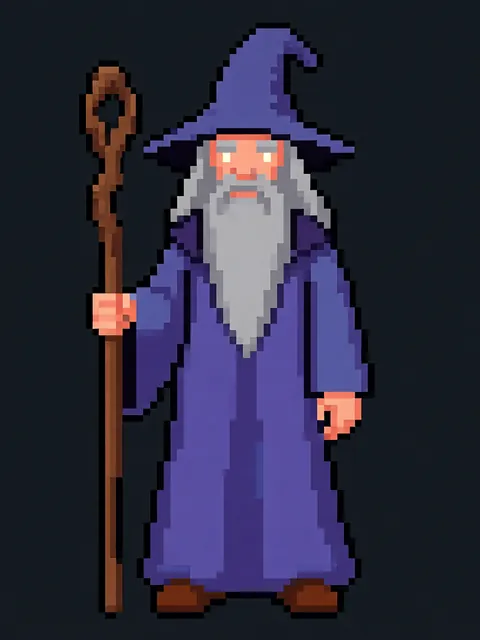
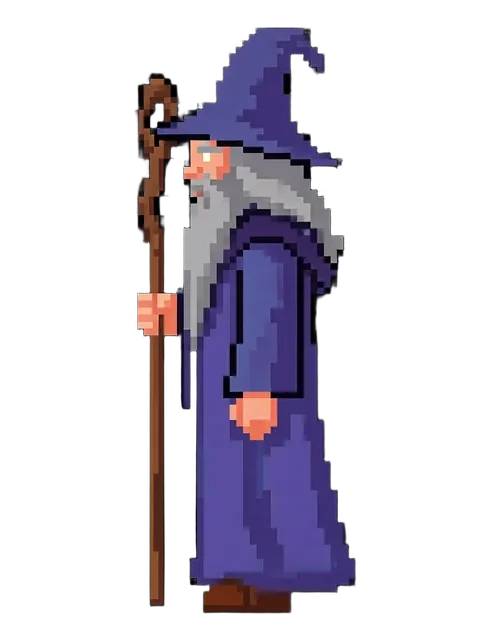
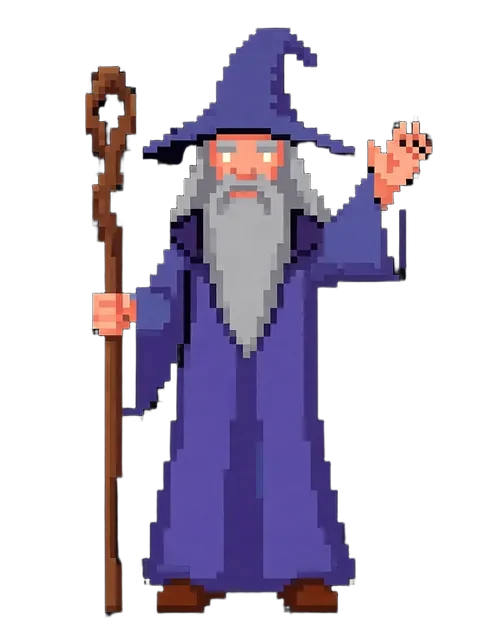

- 01
Define the bestiary art style — ink line art, watercolor wash, or digital painterly
Pick one rendering style and commit to it across all entries. Ink line art with spot color reads well in black-and-white POD prints. Watercolor wash fits OSR zines and low-fantasy settings. Digital painterly suits high-production Pathfinder supplements. Create a "style anchor" image — a single creature rendered in the chosen style — that serves as the quality bar every subsequent creature must match.
- 02
Generate each creature's front-view reference in the same style
For every creature in the bestiary, generate a front-view reference using identical prompt parameters for style, lighting, and rendering quality. The front view is the hero image for the stat block page — it must be visually striking at print size. Process creatures in batches of 5-10 to maintain parameter consistency before the AI's generation behavior drifts.
- 03
For multi-form creatures, generate a 4-angle set — front, side, back, and top-down for miniatures
Creatures with multiple forms (were-creatures, dragons, slimes with phase variants, boss monsters with rage modes) need angle sets that work for both page layout and tabletop use. The top-down view is specifically for miniature sculptors and VTT token makers — it is the most commonly requested angle in RPG art commissioning and the most frequently forgotten.
- 04
Export all creatures at matching size and style for layout consistency
Normalize every creature to a consistent canvas size and presentation format. If your layout places creature art in a 3-inch square on the stat block page, every creature should occupy that square at matching visual weight. A tiny pixie and a massive dragon both fill the frame — the relative scale is communicated through the stat block text, not the art size.
- 05
Compile the bestiary with creature stat blocks and matching art
Assemble each entry as a two-page spread: left page has the full stat block, creature lore, and tactics; right page has the front-view creature art at full page size with the 4-angle reference inset at the bottom. Use a consistent template for every entry. The art and the game mechanics should feel inseparable — not like the art was dropped into a text document as an afterthought.
- Create a "style anchor" image before generating any bestiary creatures — one perfect creature render that defines the quality bar and prompt parameters for the entire book.
- For creature variants (young red dragon, adult red dragon, ancient red dragon), generate all age categories from the same base prompt with only size and detail adjustments to maintain species consistency.
- Top-down views are worth the extra generation time — miniature painters and VTT users will specifically praise this feature in reviews.
- Test your art style at the actual printed size, not full-screen on a monitor — ink line art that looks crisp at 200% may read as a muddy gray blob at 3 inches wide.
- Include a "creature size comparison" chart as a bonus appendix page — all creatures scaled relative to a human for scale — it is consistently the most-shared image from RPG books.
- If a creature has bioluminescent or glowing features, generate a separate "glow pass" version on a dark background so layout can composite it for dramatic spreads.
- Name your creature art files with the stat block page number as the prefix — "047_goblin_shaman_front.png" — so your layout artist never has to hunt for the matching art.
- Leave at least 10% of the creature budget for post-playtest additions — playtesters will inevitably request art for a creature you did not plan to illustrate, and you want capacity to deliver.
Frequently asked questions
What is the best art style for a print-on-demand RPG bestiary?
Do I need top-down views for every creature, or just the ones likely to be used as miniatures?
How do I keep the art style consistent across 50 different creatures generated separately?
Can the free tier handle generating art for a full 30-entry bestiary?
Ready to create consistent character views?
Upload a reference image and generate multi-angle views that stay true to your character.
Start generating