
Create Character Action Sequence Frames
Action sequence frames break a single motion — punch, jump, sword swing, dodge roll — into six to twelve chronological key poses. The animator interpolates between your frames. This is different from a pose library: the frames here are ordered, each frame implies the next, and the whole sequence tells one motion story. Frame-by-frame consistency is the bar — if frame four breaks identity, the whole sequence breaks. Answer: Define the action arc (anticipation, action, recovery — the three-act structure of motion), storyboard six to twelve key frames as a beat sheet, then generate each frame from the same locked seed and identity master at reference strength 0.75. Adjacent frames must read as the same character at successive instants, not as variations on a theme.
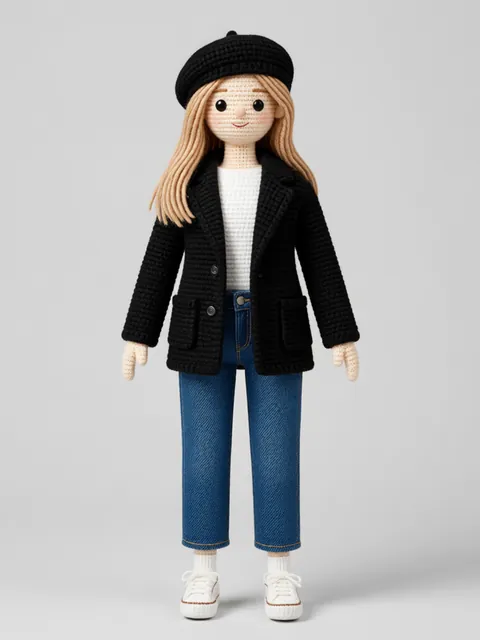
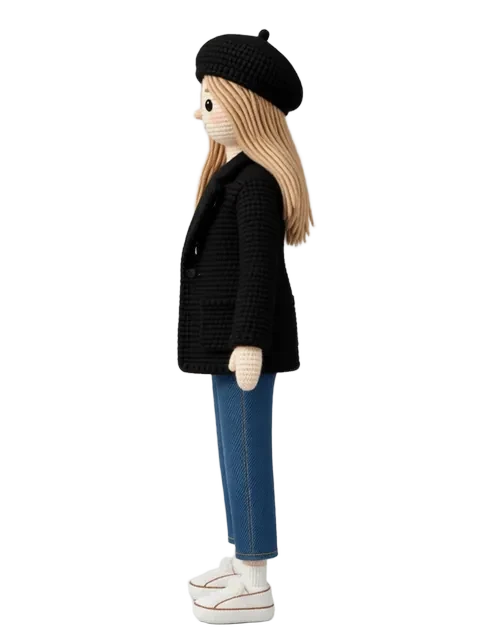

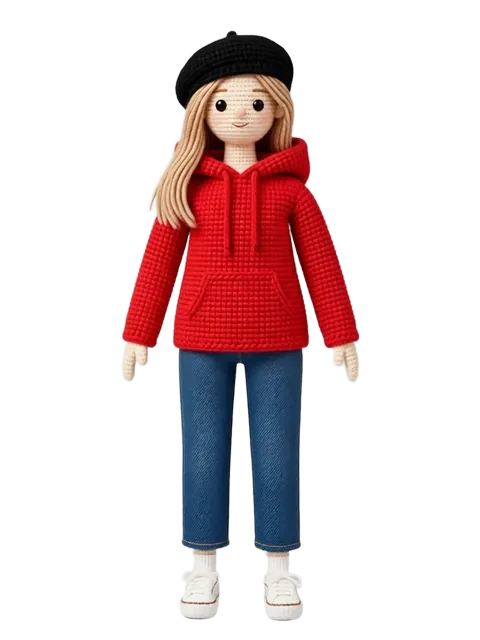
- 01
Define the action arc
Every action has anticipation (windup), action (the motion itself), and recovery (follow-through). A punch is wind-back, strike, return. Map the arc before drawing frames.
- 02
Storyboard the key frames
Six to twelve frames covering the arc. For a punch: rest, windup, mid-windup, full extension, contact, recoil, recovery. The frames are key poses; the animator interpolates between them.
- 03
Generate the identity master
Standard 8-angle master sheet for the character. Every frame references this — no chained references between adjacent frames.
- 04
Render frames in order, locked seed
Same seed, reference strength 0.75, render each frame with explicit body position language. Adjacent frames should read as the same character mid-motion, not as variations.
- 05
Audit the arc as a strip
Lay all frames in order, read left to right. The action should feel continuous. If frame four breaks identity or pose flow, regenerate frame four — do not regenerate the whole sequence.
- Six to twelve frames is the standard range — fewer than six skips key poses, more than twelve duplicates work the animator will redo anyway
- Apply the 12 principles of animation when picking key frames — anticipation, follow-through, and squash-and-stretch frames are where the motion lives
- Frame zero is rest; frame one is anticipation; the strike is roughly the midpoint; recovery extends to frame N
- Reference strength 0.75 for action frames — body deforms significantly, and higher strength refuses to leave the rest pose
- Identity drift is most likely at the extreme frames (full windup, contact); anchor those with explicit feature re-prompts
- For looping animations (idle, walk cycle), frame N must visually match frame zero — generate the first and last together to check
- Combat sequences with weapons drift the weapon design across frames; describe the weapon in every frame prompt explicitly
- A clean sequence is animation-ready; a drifty sequence becomes mood board, not source — accept this and re-do the sequence rather than ship drift
Frequently asked questions
How many frames should an action sequence have?
What is the difference between an action sequence and a pose library?
Why does the character's identity break in the middle of an action sequence?
Can AI generate animation-ready frame sequences?
Ready to create consistent character views?
Upload a reference image and generate multi-angle views that stay true to your character.
Start generating