
What Is an Orthographic Reference?
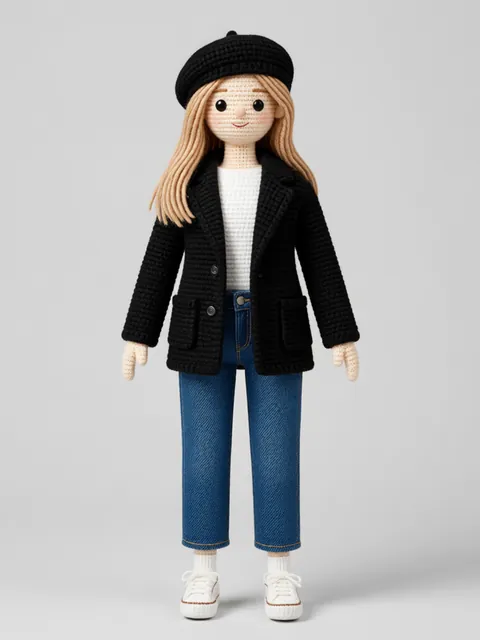
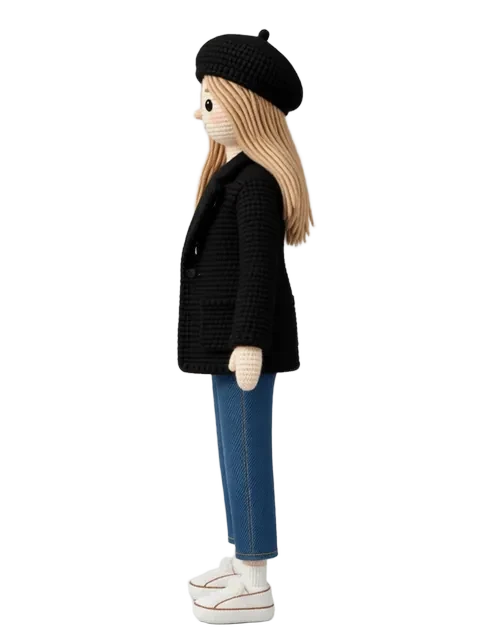
An orthographic reference is a set of character views — front, profile, and back — rendered without perspective distortion, typically at matched scale. 3D artists import these as background image planes in modelling software to sculpt with proportional accuracy.
In depth
Orthographic projection renders objects without perspective foreshortening — parallel lines stay parallel, and objects maintain their measured size regardless of distance from the camera. This property makes orthographic views uniquely useful as 3D modelling reference: the front view and profile view of a character, when aligned at 90 degrees in the 3D viewport, define every proportional relationship the sculptor needs. The technique is universal across 3D tools — Blender, Maya, 3ds Max, ZBrush, Cinema 4D — and is one of the first things taught in 3D character art education. EZ Character generates orthographic-consistent views in a single pass: front, profile, and three-quarter views that share the same character identity, proportions, and scale — ready for import as reference planes.
Key points
- Orthographic projection = no perspective distortion, parallel lines stay parallel
- Front + profile views aligned at 90° define all proportional relationships for 3D sculpting
- Used universally across Blender, Maya, ZBrush, and all professional 3D character tools
- Views must be at matched scale — if the front view is 2048px tall, the profile must be 2048px tall
- EZ Character generates orthographic-consistent character views in a single generation pass
Related terms
Frequently asked questions
What's the difference between orthographic and perspective views?
Why do front and profile views need to be at matched scale?
Can AI generate orthographic-accurate character views?
Generate your first character reference
Upload one image. Get 8 consistent angles. Apply what you just learned.
Try EZ Character freeFree tier: 40 credits every month. No credit card required.