
AI Character Art for Children's Book Production
Lock your protagonist once. Ship the same character across 24 spreads — same face, same outfit, same colour palette. The children's book production workflow, compressed from weeks to minutes.
The challenge
A 32-page children's picture book has 14–16 spreads, each one a new angle on a protagonist who must look identical across every page. AI tools that produce beautiful single illustrations break by spread 5 — the face drifts, the outfit changes, the eye colour shifts a shade. Hand-building a model sheet between manuscript and illustration production adds 2–5 days of pre-production. Self-published authors who can't afford a professional illustrator face a choice between inconsistent AI art (which reads as amateur to parents and reviewers) or a production timeline that stretches to months. Neither serves a book that needs to ship.
How EZ Character solves it
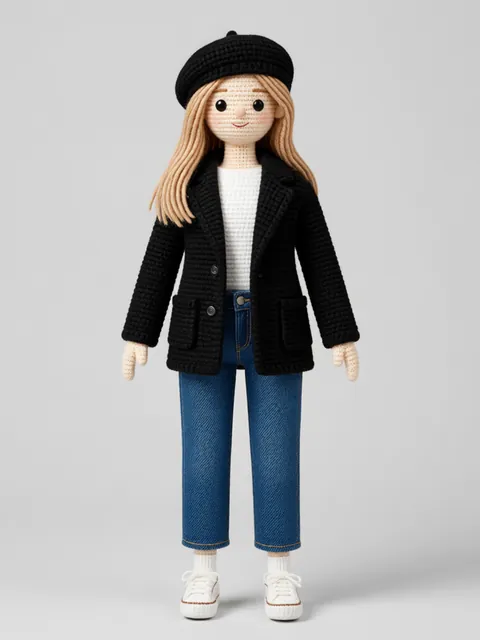
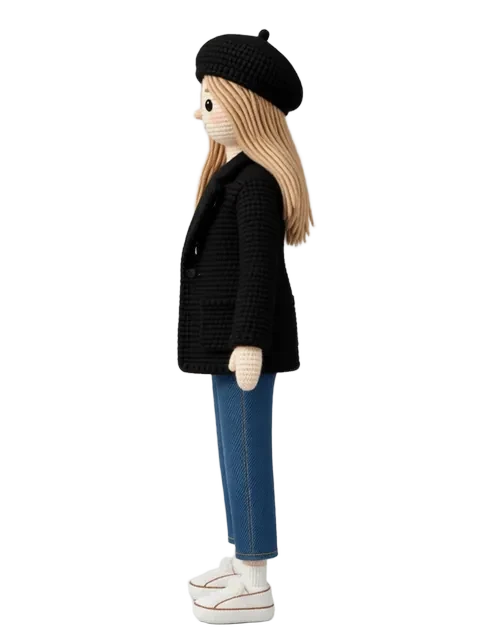
EZ Character generates a locked 8-angle reference set of your protagonist in one generation pass — front, ¾ front, profile, ¾ back, and back views — plus an expression sheet with 6–8 emotional variations. Pin the reference set alongside your manuscript. Every spread references the same canonical character. The protagonist on spread 1 and spread 14 are identical by construction. The reference set becomes your illustration bible — use it as the direct illustration source, as underlay for hand-painted refinements in Procreate, or as the reference for a commissioned illustrator. The result is production-quality character consistency at self-publishing budgets.
Step-by-step workflow
- 1
Design the protagonist
Upload your character concept to EZ Character. Generate the full 8-angle turntable in your book's art style — watercolour, ink-and-wash, digital painterly, flat cartoon.
- 2
Generate the expression sheet
From the same locked character, generate 6–8 expression variants: happy, sad, surprised, worried, determined, sleepy. Every spread now has the right emotional beat available.
- 3
Create secondary character references
Generate multi-angle sets for every recurring secondary character — the sidekick, the parent, the antagonist. Series consistency across multiple books gets easier with each set locked.
- 4
Illustrate each spread
For each spread, select the EZ Character angle closest to the scene's composition. Use directly or as underlay for hand-painted refinement. The character identity is locked — you focus on scene composition and storytelling.
- 5
Assemble and export
With all spreads illustrated against the same reference, assemble the book in your layout software. Export for Amazon KDP, IngramSpark, or your printer. The protagonist reads identically on every page.
Recommended guides
Pro tips
- Lock the art style before generating any character — switching styles mid-book changes the character's visual identity
- Generate at 300 DPI at your final trim size for print-ready resolution
- Create a "book bible" document with the protagonist reference, expression sheet, and colour palette — reference it for every spread
- For series, keep the protagonist reference set and update costume/age variants per book
Frequently asked questions
Can I self-publish a children's book using EZ Character illustrations on Amazon KDP?
What art style produces the best children's book results?
How many EZ Character jobs does a full children's book need?
Does this work for board books and early readers (different trim sizes, fewer pages)?
Start your children's book production character pipeline
Generate your locked multi-angle character reference in EZ Character. One upload, every angle — ready for your project.
Try EZ Character freeFree tier: 40 credits every month. No credit card required.