
Generate Multi-Angle Views in Silkscreen Pop Art Style
Silkscreen pop art turns character designs into graphic statements. The aesthetic is built on bold flat color separations, visible halftone dot patterns, and the punchy graphic language of Warhol portraits and Lichtenstein comic panels. This is not about smooth rendering or realistic shading — it is about the raw, mechanical beauty of ink pushed through a screen. Answer: Describe your character using bold graphic shape language, generate an 8-angle set in silkscreen pop art style with visible halftone dots across all rotations, then limit the palette to four to six flat Pantone colors that work as physical ink separations. Verify halftone dot consistency — the dot size, angle, and density should match across all eight angles so the set feels like it came from the same print run. Export with the halftone layer as a separate channel for actual screen printing workflow. This format is built for comic-con art prints, indie comic covers, and pop-art merchandise where the medium is as important as the message.
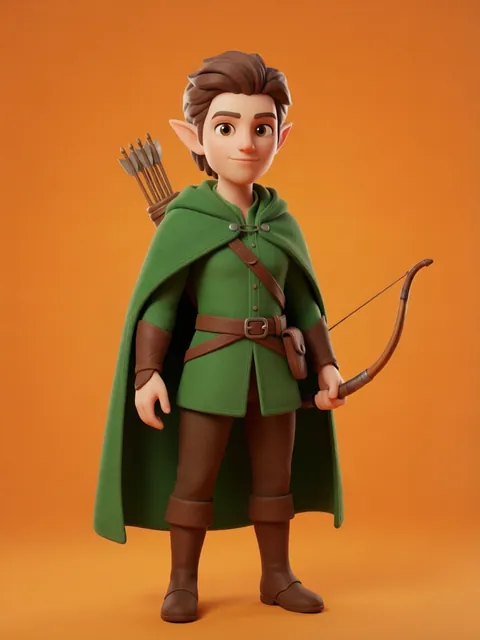
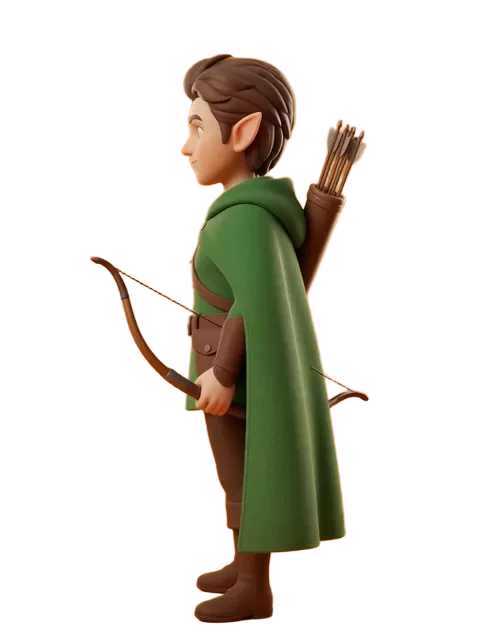
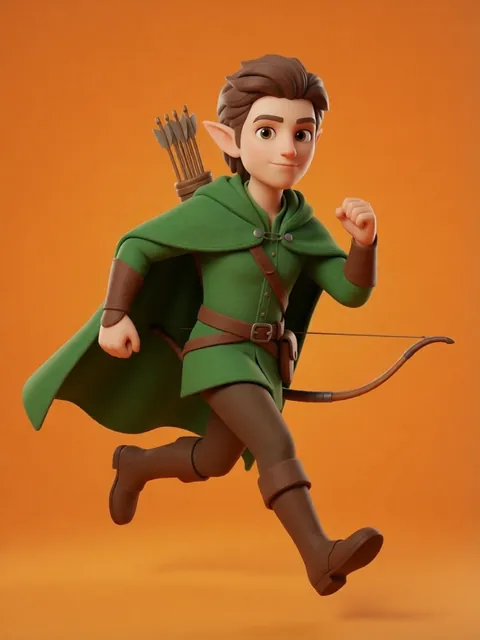
- 01
Describe the Character Using Bold Graphic Shape Language
Write prompts that emphasize bold silhouettes, flat color planes, and graphic contrast rather than smooth gradients or realistic anatomy. Use terms like "graphic shapes," "flat color fields," "bold silhouette," and "comic book linework." The character should read as a graphic icon first and a person second. Avoid requesting detailed shading, ambient occlusion, or realistic skin textures which contradict the silkscreen aesthetic.
- 02
Generate the 8-Angle Set in Silkscreen Pop Art Style
Generate the full 8-angle rotation set with "silkscreen pop art style, halftone dots, Warhol portrait aesthetic, Lichtenstein comic style, flat color separations" as your style keywords. Each angle should maintain the same halftone treatment — dots visible at midtone transitions, clean edges on highlight areas, and solid ink coverage in shadow zones. The goal is a set that looks like eight screens pulled from the same printing press.
- 03
Verify Halftone Dot Consistency Across All Angles
Inspect each angle for halftone dot uniformity. The dot pattern angle (typically 45 degrees for CMYK black), dot size, and dot density should match across all eight views. Inconsistent halftones break the silkscreen illusion — angle 3 should not have tight photographic dots while angle 6 has coarse newsprint dots. Adjust the halftone layer settings globally to enforce uniformity across the set.
- 04
Limit the Palette to Four to Six Flat Pantone Colors
Reduce the character color palette to four to six flat Pantone spot colors. Each color represents a physical ink that would be pulled through a screen — think cyan, magenta, yellow, black plus one or two spot colors like fluorescent pink or metallic gold. Remove gradients, blend modes, and alpha transparency. Every pixel should belong to exactly one ink channel. This constrained palette is what gives silkscreen art its distinctive graphic punch.
- 05
Export with Halftone Layer Separated for Actual Screen Printing
Take the generated artwork into Photoshop or Illustrator and produce two files there: a flattened RGB/CMYK preview for digital use and a layer-separated file with each Pantone color on its own channel plus the halftone dot layer as a separate screeningchannel. Professional screen printers need separated layers to burn individual screens. Include a registration mark layer and note the halftone line screen frequency (typically 45-65 LPI for art prints on paper).
- Use 4-6 Pantone spot colors maximum — each color is a physical screen, and more screens mean higher printing costs
- Set halftone dot angle to 45 degrees for the black channel — this is the standard angle that minimizes moire patterns
- Specify halftone LPI (lines per inch) — 55 LPI for art prints, 35 LPI for t-shirts, 65 LPI for fine art on smooth paper
- Include a white underbase layer if printing on dark fabric — the white screen prints first and all colors sit on top of it
- Warhol-style repetition across angles works best when each angle uses a different color palette from the same 6-color set
- Add Ben-Day dot registration marks at the corners of each angle — this helps screen printers align multi-color prints
- Keep linework at minimum 2pt thickness — fine lines below 2pt tend to close up during screen exposure
- Export each color channel as a pure black-and-white bitmap at 1200 DPI for photorealistic screen exposure quality
Frequently asked questions
What file format should I use for silkscreen pop art exports?
How many colors should a silkscreen pop art character sheet use?
Can I generate silkscreen pop art character views on the free tier?
What is the difference between halftone dots and Ben-Day dots in pop art?
Ready to create consistent character views?
Upload a reference image and generate multi-angle views that stay true to your character.
Start generating