
Generate Multi-Angle Views in Pixel Sorting Glitch Style
Pixel sorting glitch art takes your clean character reference and pushes it through a corrupted digital pipeline — horizontal pixel drag, luminance-based sorting strips, red/blue channel displacement, and that unmistakable "broken file" aesthetic. The trick is making the glitch enhance the character rather than obliterate it. When done right, the distortion becomes part of the identity: fragments of the character trailing off as luminous digital debris, color channels splitting at key contour lines, selective corruption that preserves facial recognition through the noise. This style is a natural fit for cyberpunk game character sheets, electronic music visual assets, VJ loop source material, or glitch-art zine illustration. Answer: Use our generator with a two-pass workflow — clean 8-angle reference first, then pixel-sorting glitch post-processing with chromatic aberration and selective luminance drag for 8 recognizably distorted character views.
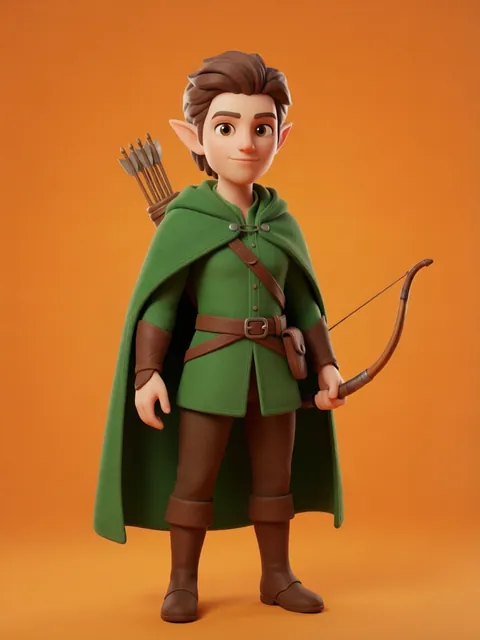
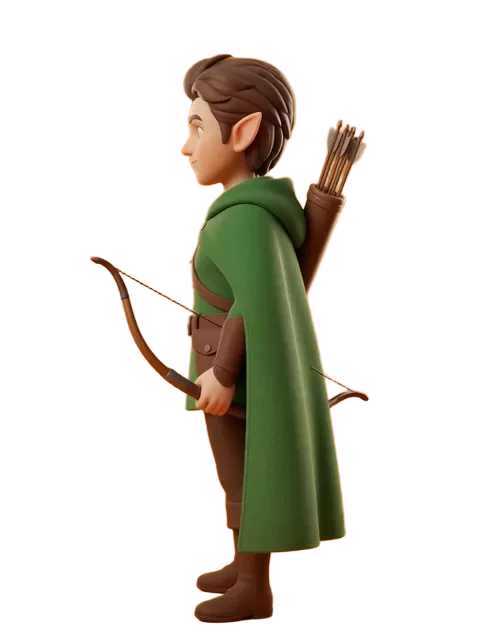
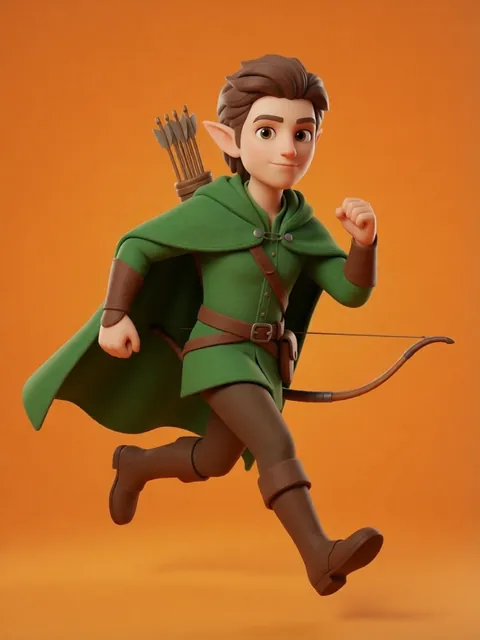
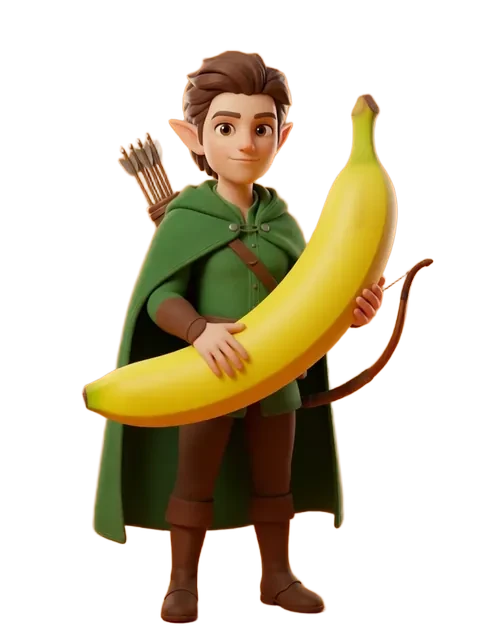
- 01
Generate clean 8-angle character reference first
Start with a clean, unglitched 8-angle character reference sheet. This is critical — you need a coherent baseline before applying distortion. Generate all 8 angles (0deg through 315deg) in a neutral pose on a flat background. The cleaner your reference, the more controlled your glitch results will be. Choose a character design with strong silhouette recognition and high-contrast costume elements; pixel sorting works best on images with clear luminance boundaries. Avoid busy textures or fine patterns at this stage — they will turn to visual noise after glitch processing. Export these clean angles as your base layer; you will need them as reference to verify the character remains recognizable through the glitch.
- 02
Apply pixel sorting effect by brightness/luminance in horizontal strips
Apply pixel sorting to each angle: this technique sorts pixels horizontally within defined brightness bands, creating the characteristic "dragged data" look. Specify sorting mode as "luminance sort on horizontal axis with threshold bands at 25/50/75% brightness." Dark pixels (shadows, outline areas) should remain largely unsorted to preserve edge definition. Midtone pixels (skin, mid-costume) get moderate sorting for texture disruption. Highlight pixels (specular, bright costume elements) get aggressive sorting that creates dramatic horizontal drag trails extending 50-200px. Set sorting strip height to 2-4px for fine glitch texture or 8-16px for chunky datamosh blocks. Keep the face zone masked at 50% sort intensity minimum — full face corruption loses character identity.
- 03
Displace red and blue color channels for chromatic aberration glitch
Add channel displacement to simulate chromatic aberration from a corrupted digital signal. Shift the red channel 2-6px left and the blue channel 2-6px right while anchoring the green channel in place. This creates red/blue fringing at contrast edges — the signature glitch art look. Make the displacement non-uniform: stronger at the edges (6px shift tapering to zero near the face), and vary shift direction per angle so it reads as organic digital corruption rather than a uniform filter. On angles where the character faces left, shift red left and blue right; on right-facing angles, reverse it. This directional logic makes the glitch feel diegetic — like a real signal failure — rather than a lazy Photoshop filter.
- 04
Verify character recognition through the glitch effect
Review each glitched angle against its clean reference. The character should remain clearly identifiable — face, silhouette, key costume elements, and primary weapon/prop all readable despite the distortion. If glitch effects obscure the face entirely, dial back sort intensity on the face mask. If the silhouette dissolves into noise, reduce pixel-sort strip height or restrict sorting to interior areas, keeping the outer contour intact. The goal is glitch-as-enhancement: the distortion communicates the cyberpunk/digital-corruption theme while the character design remains the star. A good test: show the glitched angle to someone unfamiliar with the project — can they describe the character type, pose, and key features? If not, regenerate with reduced distortion.
- 05
Export as glitch art GIF frames or static PNGs for game/VJ use
For VJ loop material, export all 8 glitched angles and create an animated GIF or sprite sheet that cycles through angles at 4-8fps — the angle transitions combined with the static glitch texture create a compelling datamosh loop. For game asset use (character select screens, loading screens, cyberpunk UI elements), export as individual PNGs with transparent or dark backgrounds at game-resolution specs. For print (zines, posters), export at 300dpi in RGB color space — the RGB channel displacement will not translate cleanly to CMYK, so keep it in RGB and work with a print shop that supports RGB workflow or digital printing. Package includes: 8 clean reference PNGs, 8 glitched PNGs, 1 animated angle-cycle GIF, and a glitch-effect parameter log so you can recreate the look consistently.
- Mask the face at 50% sort intensity minimum — full pixel sorting on facial features destroys character recognition
- Pixel sorting reads best on images with strong contrast; flat, low-contrast character designs produce muddy, unreadable glitch results
- Free tier: generate clean angles on our platform, then apply pixel sorting in free tools like Photopea (Filters > Pixelate > Sort) or Processing scripts
- Vary glitch intensity across the angle set — some angles heavily corrupted, others lightly touched — for a more organic cyberpunk feel
- Chromatic aberration displacement should follow character direction: shift red toward the direction the character faces, blue away
- Dark backgrounds (deep black or near-black) make glitch trails pop; light backgrounds muddy the effect
- For VJ loops, animate between angles at 4fps with a brief 2-frame white flash between cuts for a "signal switching" effect
- Save your glitch parameters (sort threshold, channel shift px, strip height) in a text file — recreating glitch art manually without notes is nearly impossible
Frequently asked questions
Do I need to generate the glitch effect separately from the base character?
Can I use glitch art character designs commercially for my game?
How do I keep the character recognizable through heavy glitch distortion?
What is the difference between pixel sorting and regular glitch filters?
Ready to create consistent character views?
Upload a reference image and generate multi-angle views that stay true to your character.
Start generating